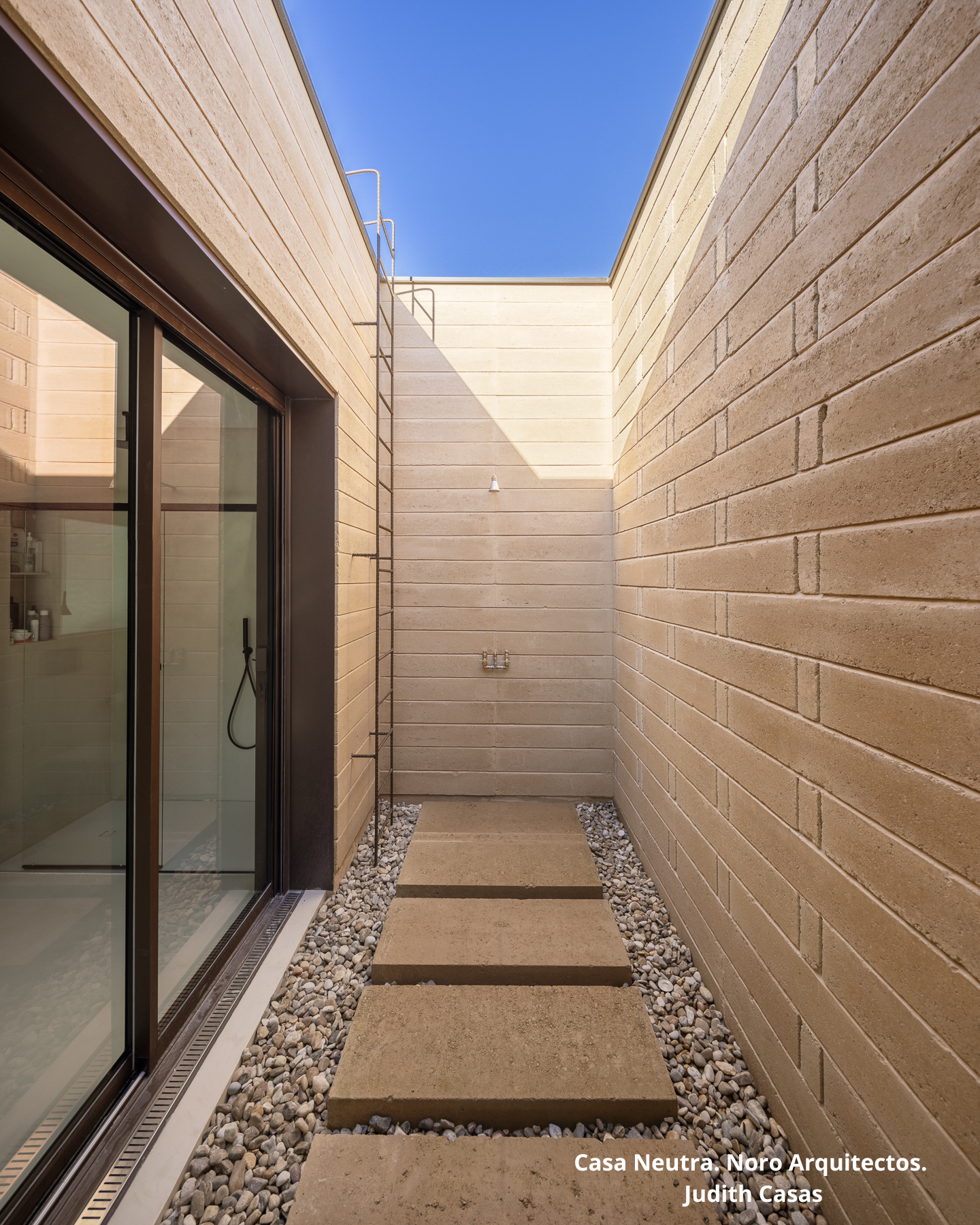
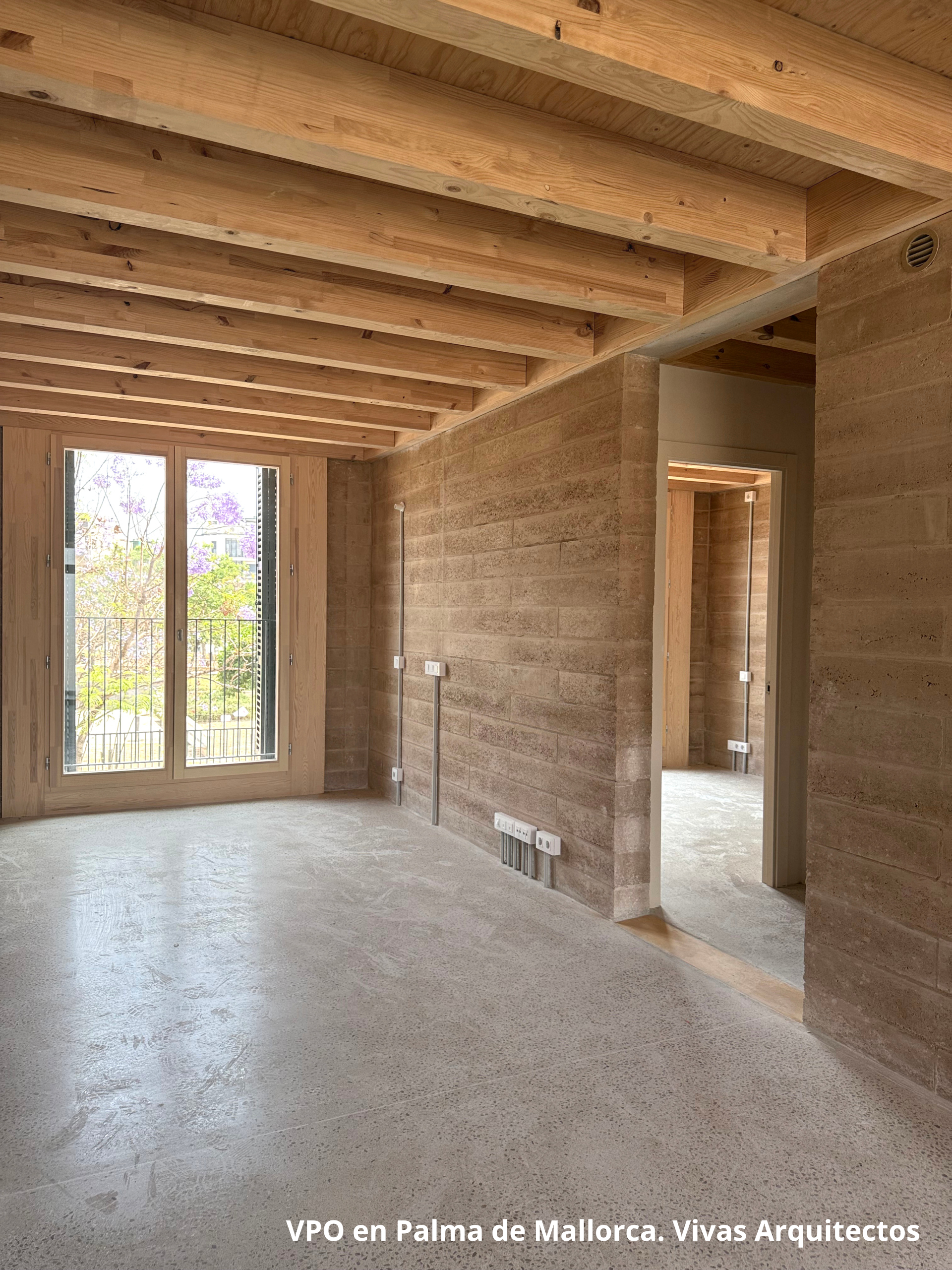
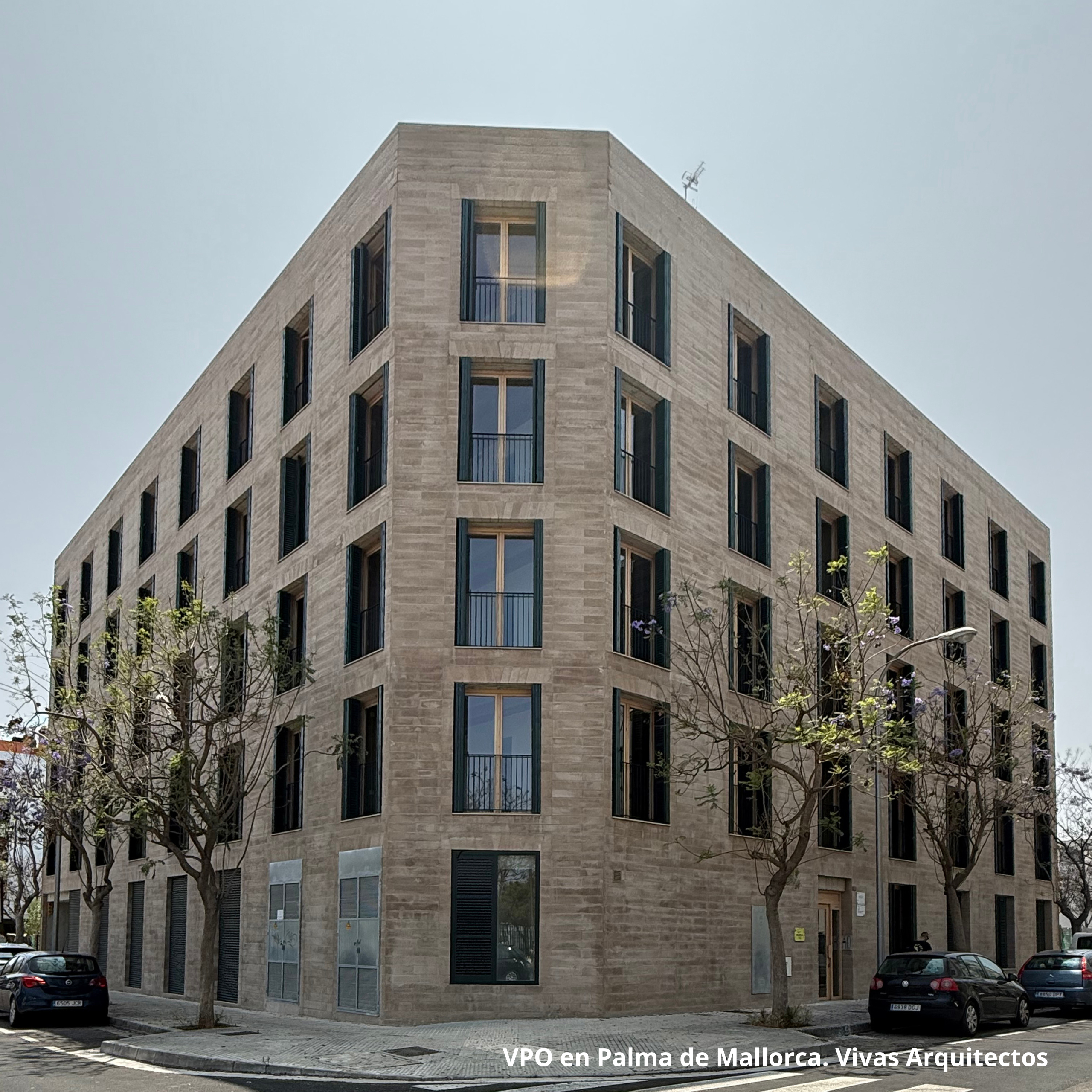
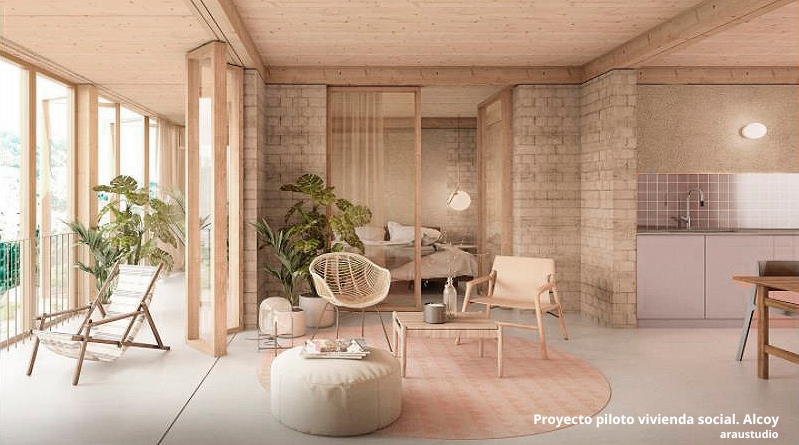
The transformation of the construction sector toward more sustainable models requires new ways of approaching materials, processes, and construction systems. In this context, Fetdeterra has established itself as one of Spain’s leading initiatives in the development of earth-based architectural solutions, integrating scientific research, technological innovation, and practical application to contribute to more efficient, healthy buildings that respect the local environment and its inhabitants.
Based in Catalonia, Fetdeterra operates at the intersection of architecture, engineering, geology, and applied research, promoting the incorporation of natural and locally sourced materials into contemporary projects. Its work directly aligns with the principles that inspire the New European Bauhaus, demonstrating that it is possible to combine environmental sustainability, architectural quality, and technical innovation through the responsible use of available resources.
Founded in 2017, its working methodology is based on a cross-disciplinary approach, a strategy promoted by its founders, architect Maite Sainz de la Maza and geological engineer Macari de Torres. This collaborative model facilitates the transfer of scientific knowledge into real-world applications, bridging the gap between research and professional practice.
Thus, their work encompasses soil classification, the design of specific formulations, the optimization of mixtures, the development of prefabricated elements, the definition of construction systems, and the preparation of technical documentation for incorporation into architectural and engineering projects. They do all of this using a material that has been an integral part of human societies for millennia: earth. Fetdeterra’s work is grounded in a deep understanding of earth’s properties and its integration into modern buildings that meet high standards of quality and durability.
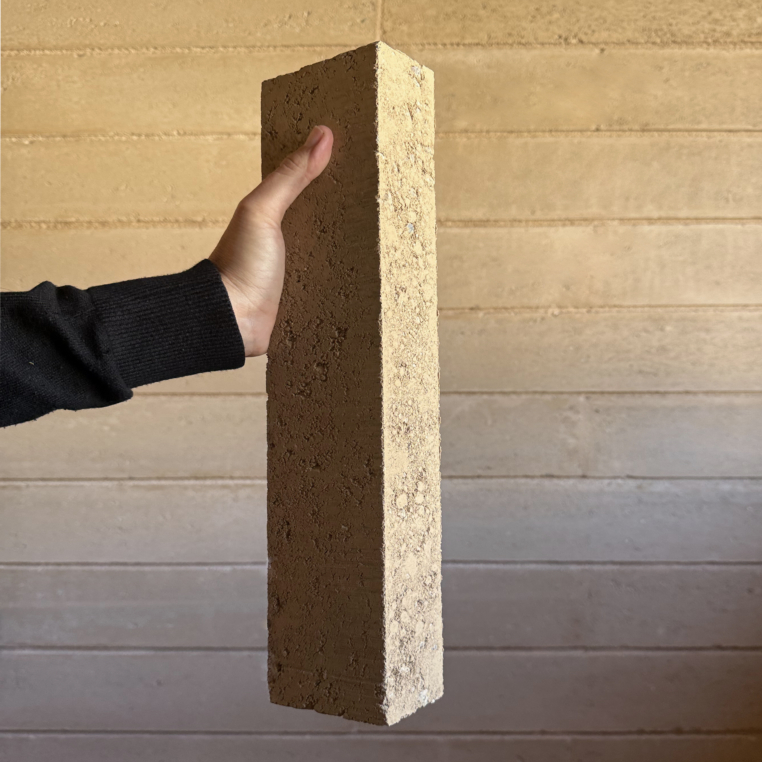
To achieve this, they rely not on traditional techniques, but on the industrialization of new systems that improve construction precision, optimize execution times, and enhance competitiveness. Furthermore, with the goal of supporting and highlighting the value of earth as a sustainable and contemporary building material, the company’s team has developed a repository of documentation and technical validation. This includes material characterization studies, technical specifications, construction details, execution protocols, quality control procedures, and technical assistance during construction.
This work provides developers and public administrations with reliable information to incorporate solutions into their projects and regulatory frameworks. Furthermore, Fetdeterra participates in technical standardization initiatives, contributing to the development of standards that facilitate the implementation of earthen architecture in the European context.
Participation in the 2025 Venice Biennale
The company’s commitment to reducing waste, optimizing resources, and using materials that promote well-being and local participation—values associated with the NEB initiative—has earned it recognition through various awards related to architecture, innovation, and sustainability. The most recent of these was the first Auguste Perret Prize for Technology in Architecture 2026 from the International Union of Architects (UIA).
Likewise, last year Fetdeterra was one of the projects selected for the Spanish Pavilion at the Venice Architecture Biennale. It is also worth noting that it was a finalist for the 2024 CSCAE Awards in the “Innovation” category for its rammed-earth block construction system, as well as the winner of the First Prize for Research at the Spanish Architecture Biennial in 2018.
These awards indicate that increasing emphasis is being placed on the potential of innovation to transform traditional materials into solutions for the future, contributing to an ecological transition that integrates knowledge, technology, and a sense of responsibility toward the local community. All of this is aligned with the objectives of the European Green Deal, the EU’s new Affordable Housing Plan, and, of course, the New Bauhaus initiative.