With just a few weeks to go before the first anniversary of the reopening of the Corral de Don Diego in Toledo’s historic district, we can already highlight the features that make this urban regeneration project a prime example of the effective implementation of the values of the New European Bauhaus initiative.
Sustainability, Inclusion, and Beauty are the hallmarks of this project, spearheaded by the Toledo City Consortium from 2021 to 2024, which has evolved from a local effort to rehabilitate a deteriorated area into a project that has received national and European recognition for its ability to drive not only urban but also heritage-based recovery in this La Mancha municipality.
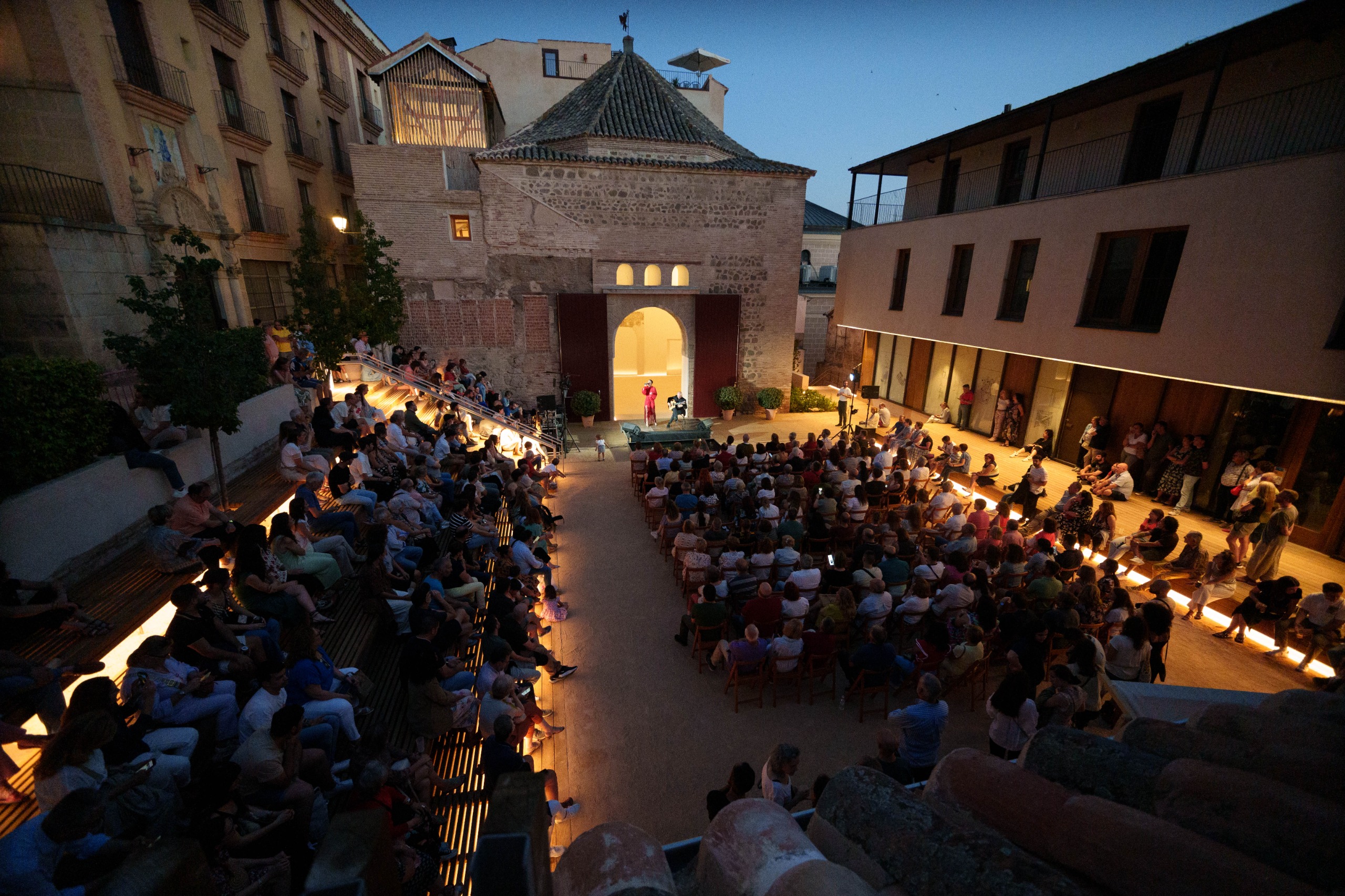
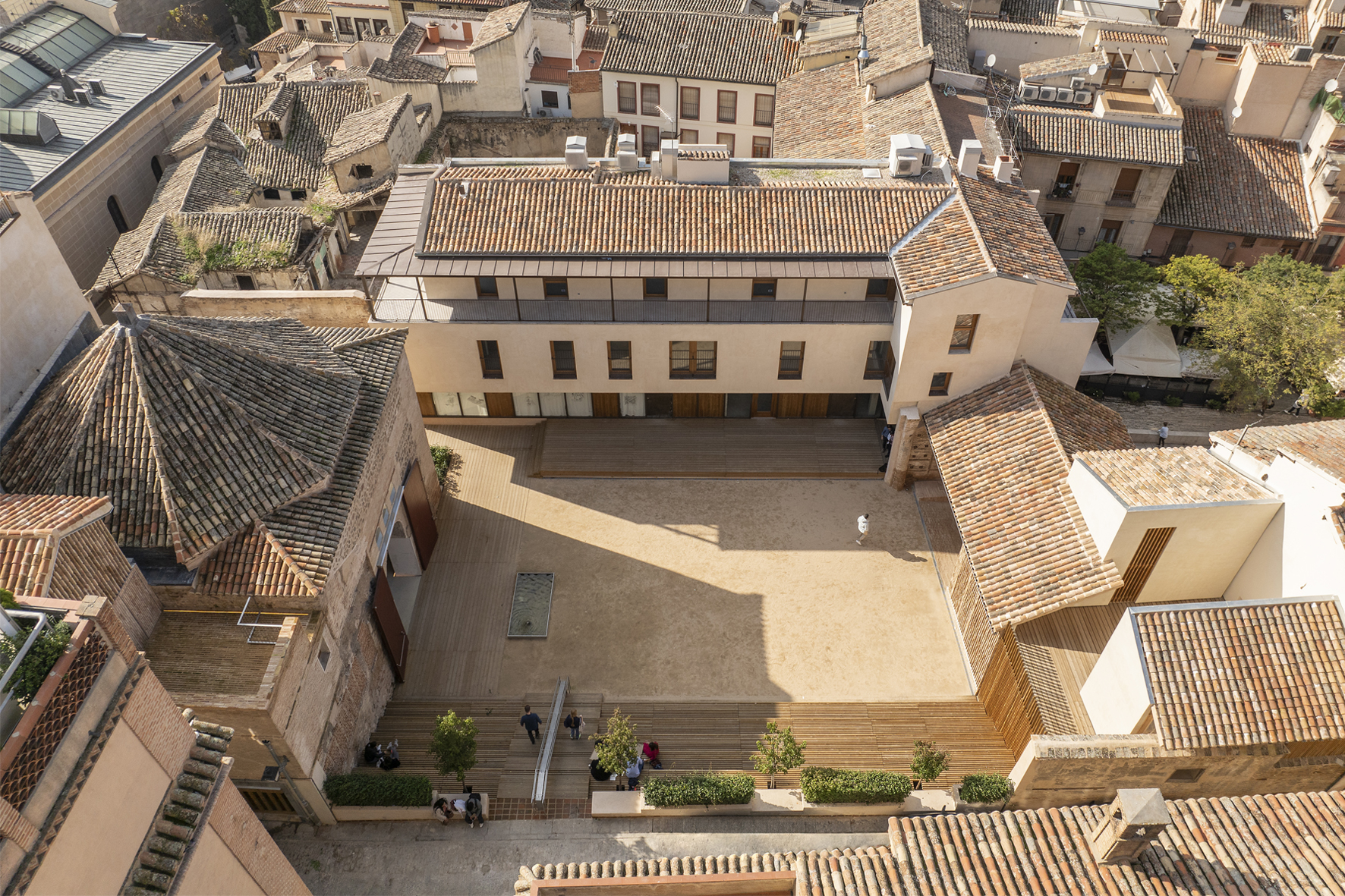
The Corral neighborhood is a strategic area in the town center, situated between the Plaza Mayor, Zocodover, and the Alcázar. Thus, the project has included the restoration of ruined buildings, the rehabilitation of housing, the creation of new public spaces—including a new public square that serves as a gathering place—the improvement of pedestrian connections, and the restoration of the historic Salón Rico, designated a Site of Cultural Interest (BIC).
In total, the initiative—carried out in several phases—has involved an investment of approximately 2.5 million euros from the Toledo City Council, the Toledo City Consortium, the Regional Government of Castile-La Mancha, and European funds under the EDUSI (Integrated Sustainable Urban Development Strategy) framework.
Project Details
The urban development project has included five major initiatives:
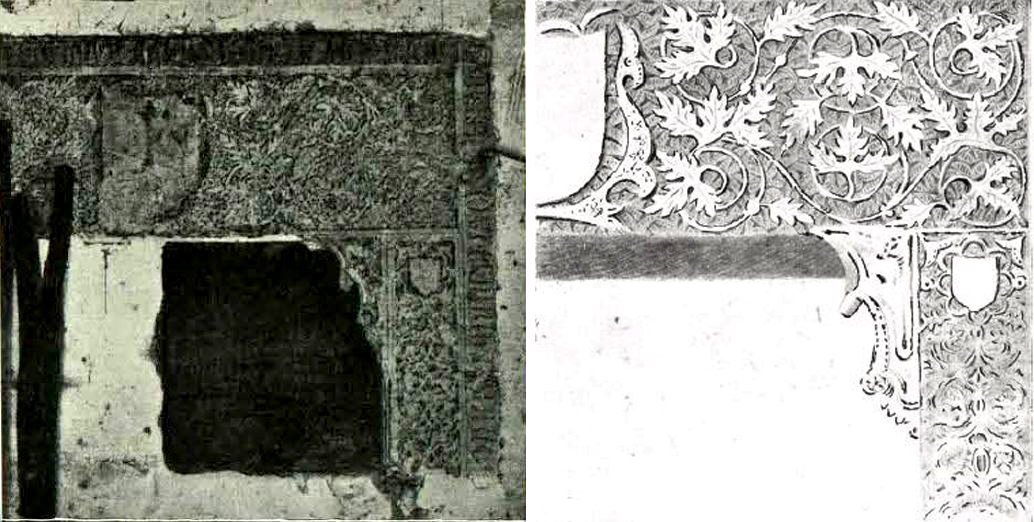
- Restoration of the Salón Rico. This 14th-century Mudejar building has been structurally reinforced to accommodate cultural visits and community use. Its historic plasterwork and coffered ceilings have also been restored, highlighting their architectural features.
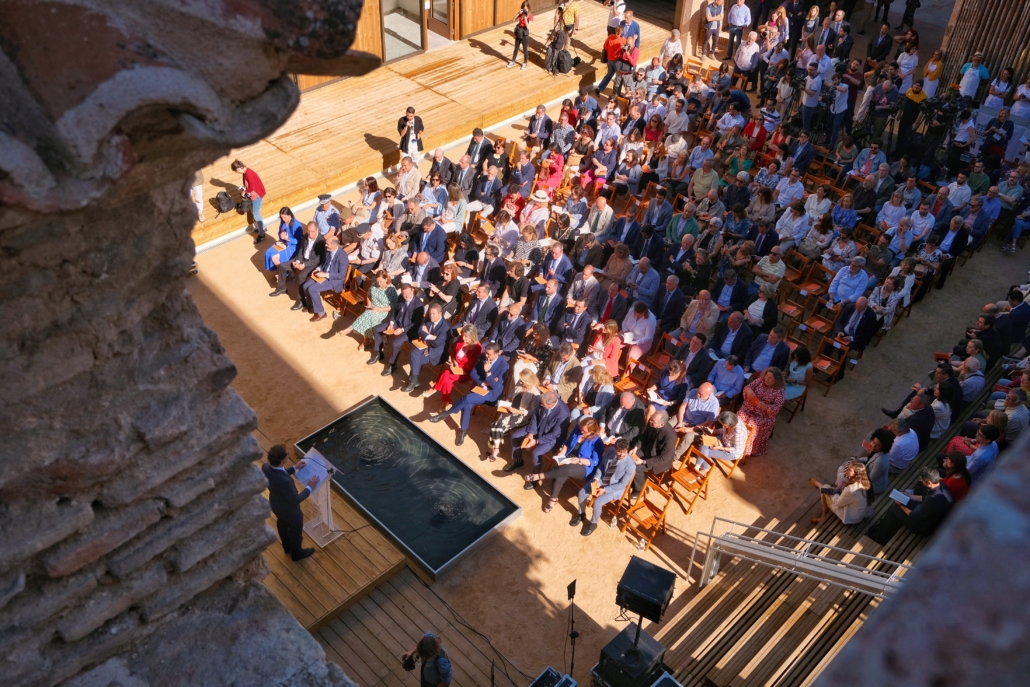
- Creation of a new public square, providing a pedestrian connection between the Plaza Mayor, the Teatro de Rojas, Trastámara Street, and the Plaza de Zocodover. It features a fountain and native vegetation, making it a new gathering place for residents.
- Construction and renovation of housing. Five units, managed by the Municipal Land and Housing Company and intended for rent—particularly to young people—to revitalize the historic center. They serve as an example of the respectful integration of contemporary design into a heritage settings.
- Local businesses. Two new spaces have been created for economic and cultural activities, which will also help revitalize this historic neighborhood.
- Accessibility measures. Creation of new pedestrian routes, removal of dilapidated areas, and improvement of internal circulation through the reduction of architectural barriers to facilitate access for people with limited mobility.
The European Commission’s New European Bauhaus criteria have guided the entire process, enabling public administrations and technical professionals—such as the firm Arquitectos San Lorenzo 8—to combine sustainability, social integration, architectural beauty, the reuse of materials, the use of eco-friendly materials like wood, and the preservation of cultural heritage from the Modern Age. All these characteristics, which define what the Consortium has termed the “Toledo Model,” have been recognized through several international awards the project has received.
One such example is the silver medal in the Outdoor Spaces category at the 2025 AHI (Architectural Heritage Intervention) European Awards, held in Barcelona in June 2025. El Corral de Don Diego was selected from among 41 European projects and also received a Special Mention for its adherence to NEB principles.
In addition, the project won the AMAD Wood Architecture Award last year, which recognizes innovative projects for their sustainable use of this material. It was also recognized as an outstanding project at the ARQUITECTURA 2025 Awards presented by the Higher Council of Architects’ Associations of Spain (CSCAE).