Cities’ adaptation to climate change requires new ways of understanding the relationship between the territory, the landscape, and natural resources. In this context, water management has become one of the major challenges of urban transformation, especially in regions prone to torrential rains, floods, and prolonged periods of drought.
In recent years, solutions that integrate water infrastructure into the design of public spaces have begun to take center stage. Examples include flood-tolerant parks, green corridors, sustainable drainage systems, and river restoration areas, which offer new opportunities to build cities that are better adapted to climate change and more environmentally friendly.
This perspective aligns directly with the principles of the New European Bauhaus, which promotes a transition based on a combination of beauty, quality, sustainability, and inclusion. From this perspective, climate adaptation should not be limited to solving technical problems but should contribute to improving well-being in urban spaces and the lives of those who inhabit them.
Among the projects that reflect this approach to water resilience are La Marjal in Alicante and Madrid Río in the capital—two initiatives that are also finalists for the NEB Water Resilience Award at the 2026 NEB Prizes—and which demonstrate how water can become a central element of urban design.
La Marjal: An Urban Park for Managing Torrential Rainfall
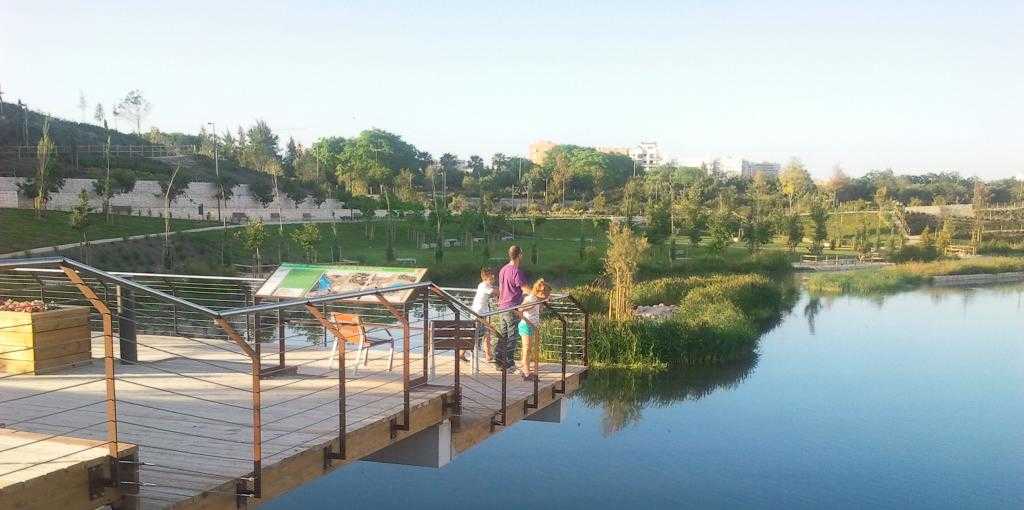
On San Juan Beach in Alicante, the La Marjal Floodable Park is a project that combines flood prevention with the creation of a public space that fosters contact with nature and promotes well-being through recreational activities.
The proposal arose in response to the vulnerability of this urban area, characterized by its gentle slope and highly impervious soil. Consequently, during periods of heavy rain, the capacity of conventional drainage systems proved insufficient to manage all the accumulated water.
That is why the proposed solution involved integrating a temporary stormwater storage system into a park covering approximately 3.6 hectares. The facility can store up to 45,000 cubic meters, helping to reduce the risk of flooding in its immediate surroundings.
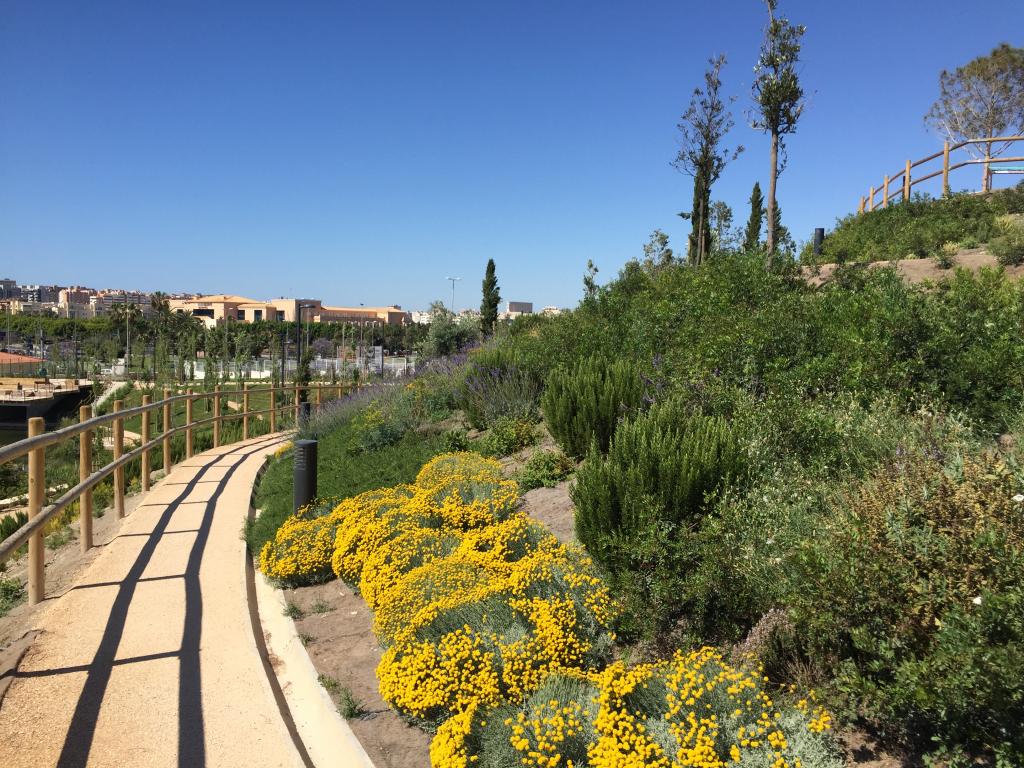
Furthermore, the infrastructure is connected to the urban drainage network and allows for the diversion of water that, during periods of heavy rainfall, exceeds the system’s drainage capacity. In this way, the public space fulfills an essential hydraulic function without sacrificing its everyday use as a green space, which includes riparian vegetation, ponds, and even a small hill.
La Marjal, open to residents and visitors since 2015 and spearheaded by the Alicante City Council and Aguas de Alicante, also helps create habitats for various species and brings citizens closer to them. Its trails and environmental interpretation areas ensure that water management ceases to be an exclusively technical matter and instead becomes part of the city’s everyday experience.
All these features highlight not only climate resilience but also other essential aspects such as circularity, the protection of biodiversity, and the promotion of quality public spaces.
Madrid Río: Restoring the River Landscape to Regenerate the City
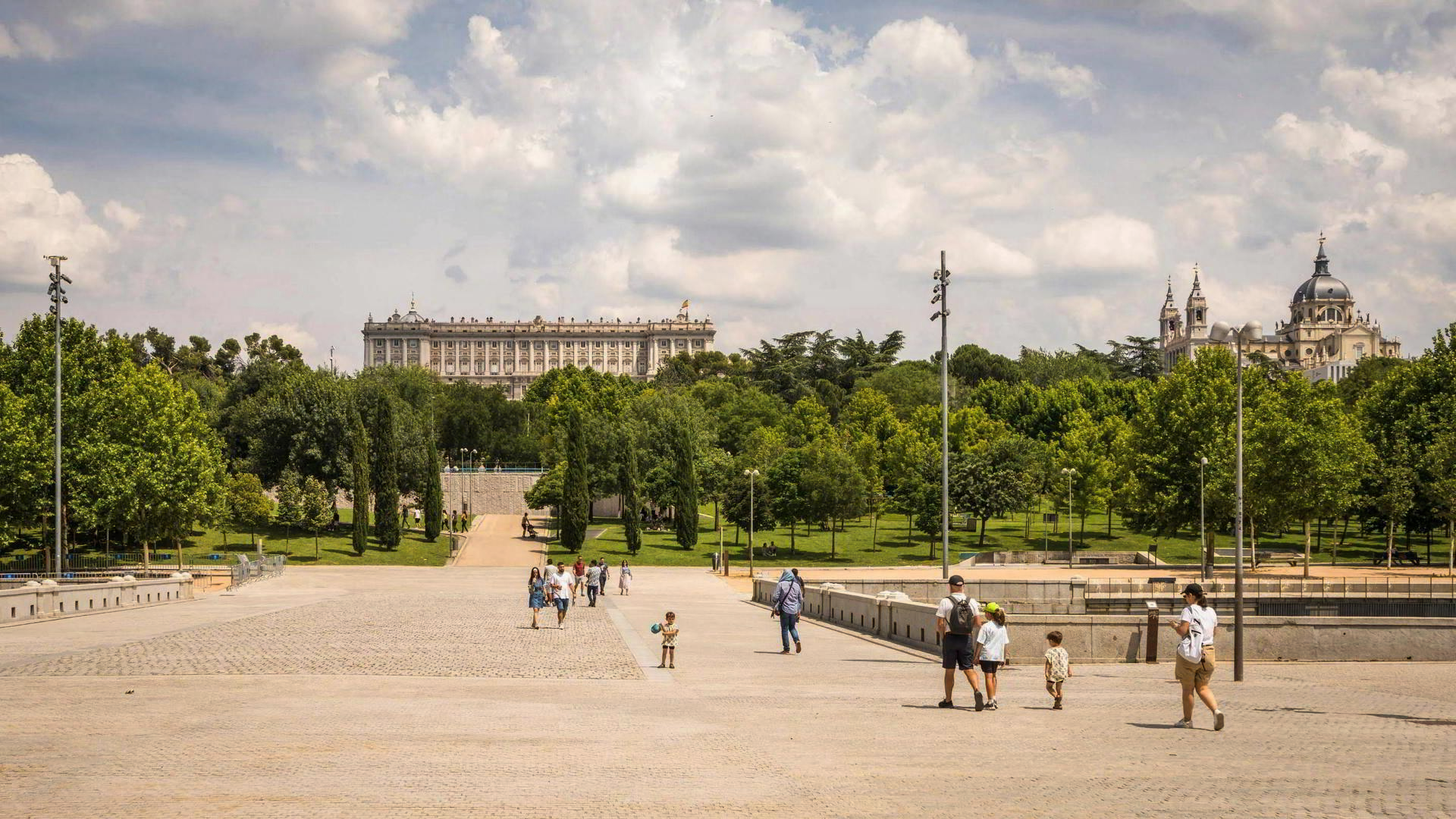
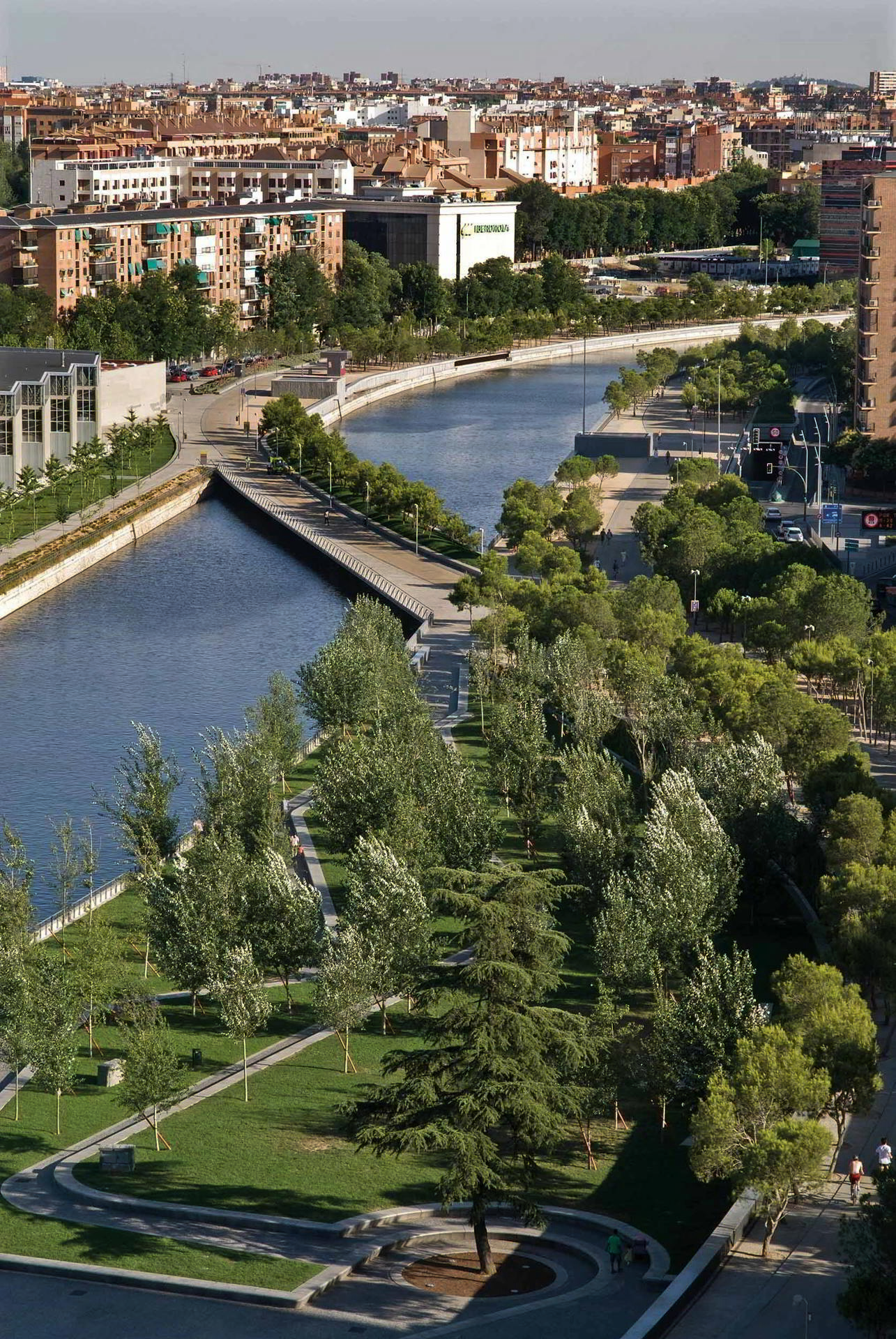
In Madrid, the Madrid Río project addresses the relationship between water, landscape, and infrastructure from a territorial perspective. It originated with the transformation of the M-30 and the underground relocation of several sections of this highway along the Manzanares River—a project that made it possible to reclaim spaces previously dominated by traffic for public use.
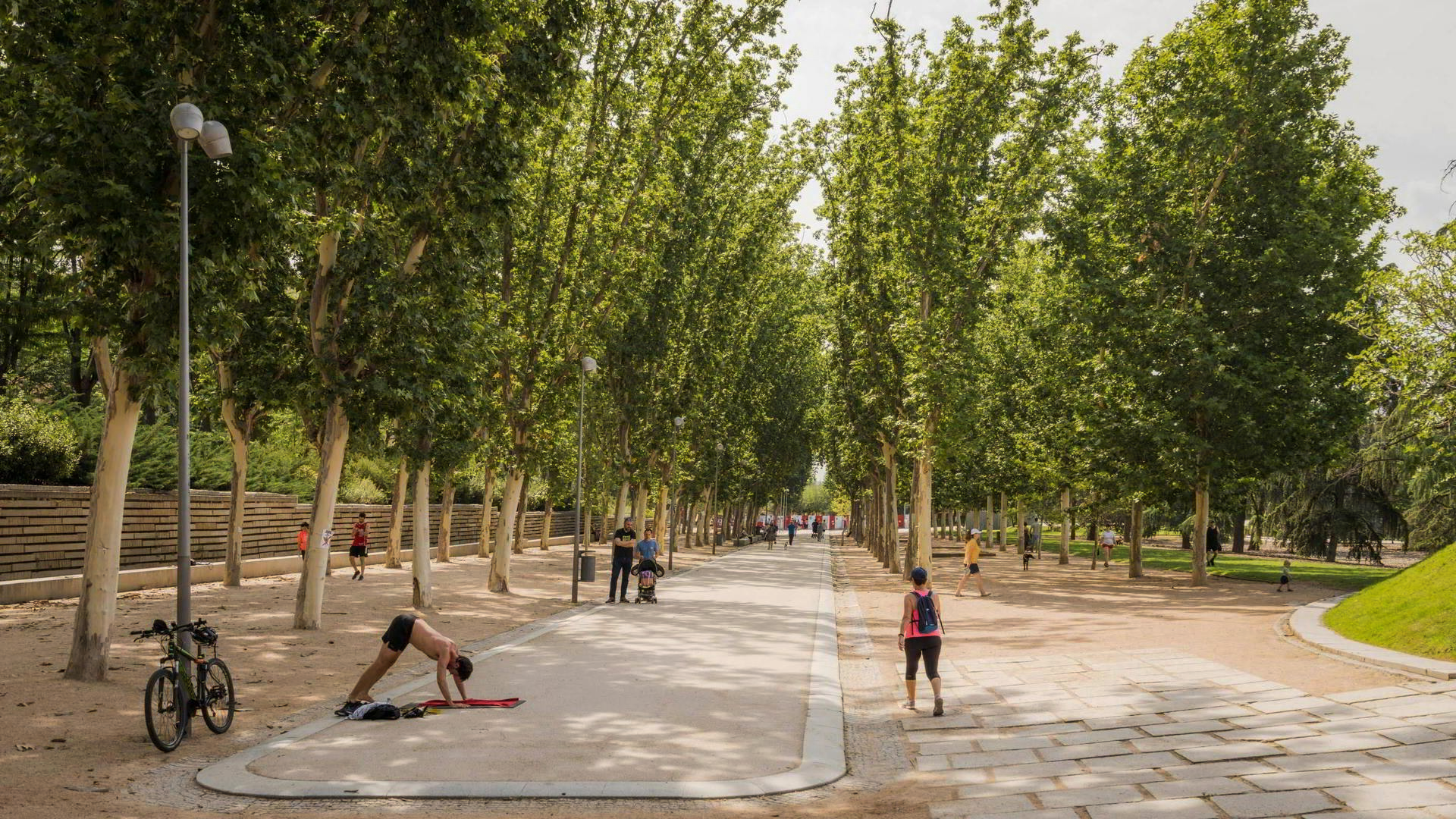
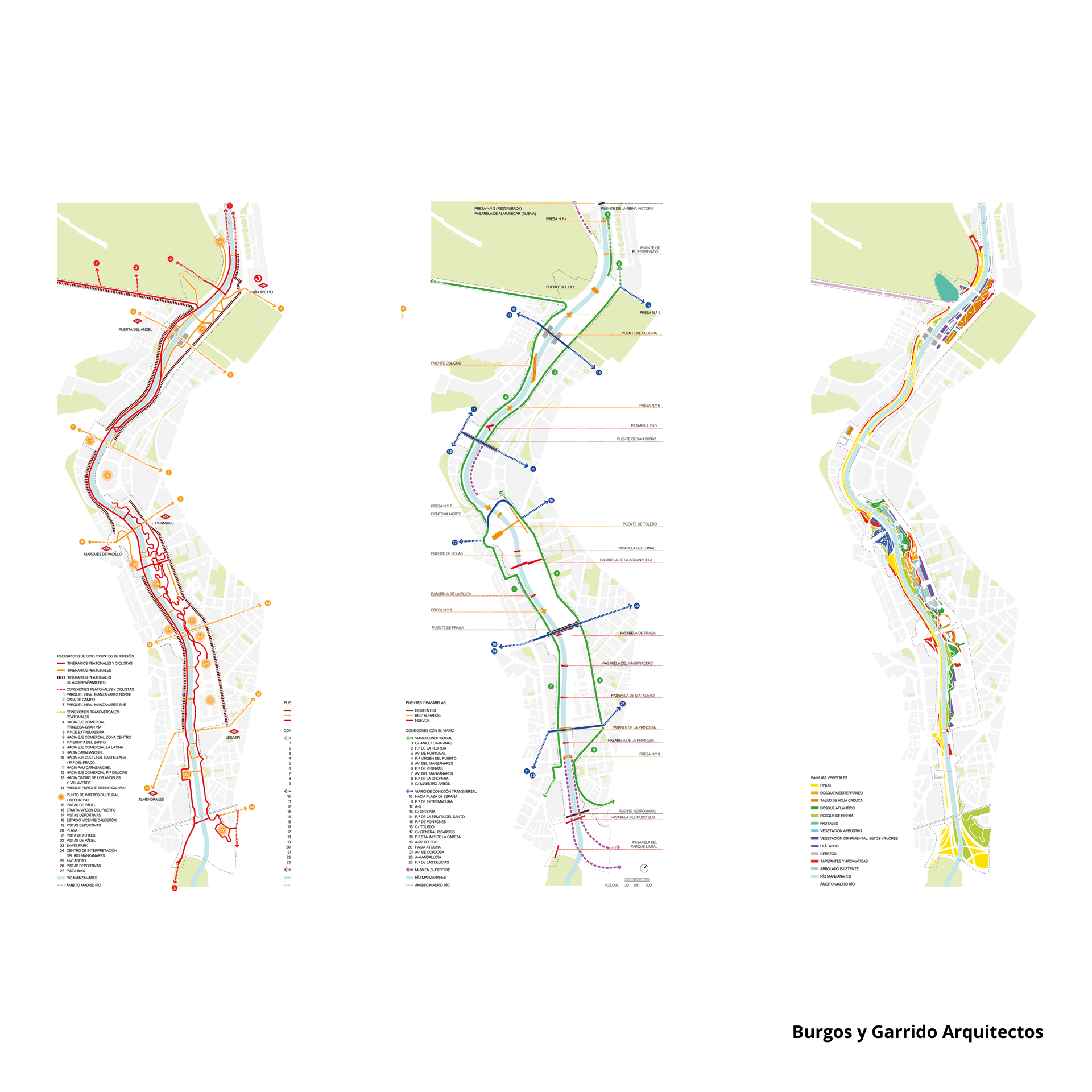
Developed primarily between 2004 and 2011, it created a green corridor stretching over six kilometers and encompassing nearly 150 hectares of public spaces, organized around parks, gardens, pedestrian and bicycle paths, playgrounds, sports facilities, and gathering spaces.
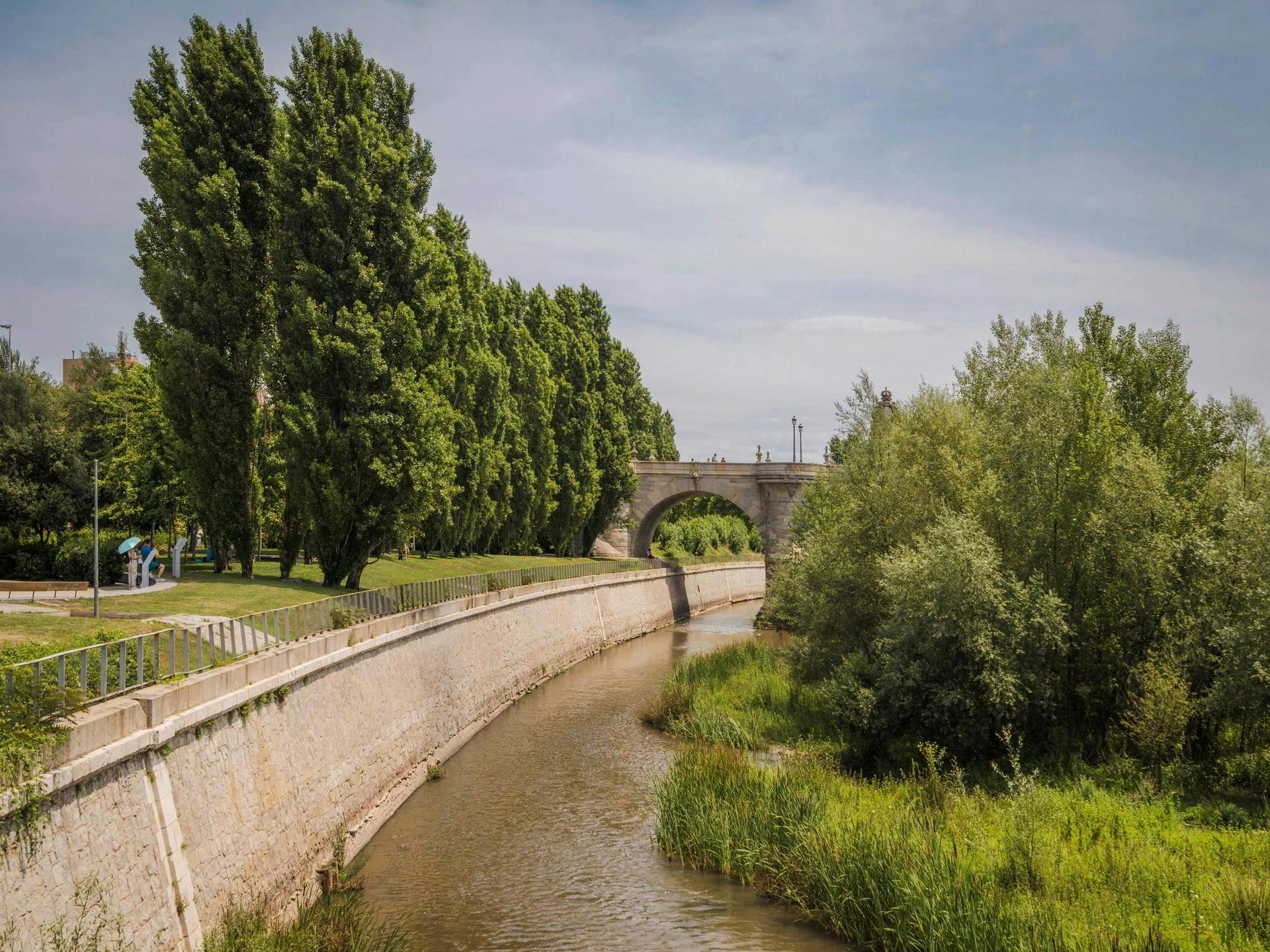
The restoration of the Manzanares riverbanks brought about a profound transformation in the relationship between the city and its river. Where road infrastructure once dominated and fragmented the landscape, a system of green spaces was created that connects neighborhoods, improves sustainable mobility, and reinforces the presence of nature within the urban fabric.
From the perspective of water resilience, Madrid Río incorporates various strategies related to stormwater management, soil permeability, and the environmental restoration of the river corridor. Among its features are runoff retention systems, vegetated areas, and spaces designed to enhance the relationship between water and the urban landscape.
Vegetation plays an essential role in this transformation. Planting trees and shrubs helps provide shade, improve thermal comfort, and strengthen the ecological continuity of the Manzanares River’s surroundings. The project also includes an extensive network of paths that allows people to access the river and explore its banks on foot or by bicycle.
Thus, the project goes beyond simply creating a riverside park. It proposes a new way of understanding the city, as it fosters connections between different neighborhoods and facilitates access to green spaces for a significant portion of the population and visitors. At the same time, it helps reinforce the river’s identity as a defining element of the urban landscape, which aligns with the European Commission’s New Bauhaus framework.
Water Resilience as a Principle of Urban Design
In conclusion, we might note that although La Marjal and Madrid Río address different contexts and scales, they share a common vision: the need to integrate water into urban planning and to overcome the traditional separation between infrastructure, landscape, and public space.
Both initiatives reflect the principles of NEB by combining environmental solutions with a special focus on design, spatial quality, and the needs of citizens. Water resilience thus becomes an opportunity to rethink urban space from a broader perspective. It is not merely a matter of protecting cities from water, but of restoring their relationship with it and recognizing its value as an environmental resource, a landscape element, and an essential component of urban life.