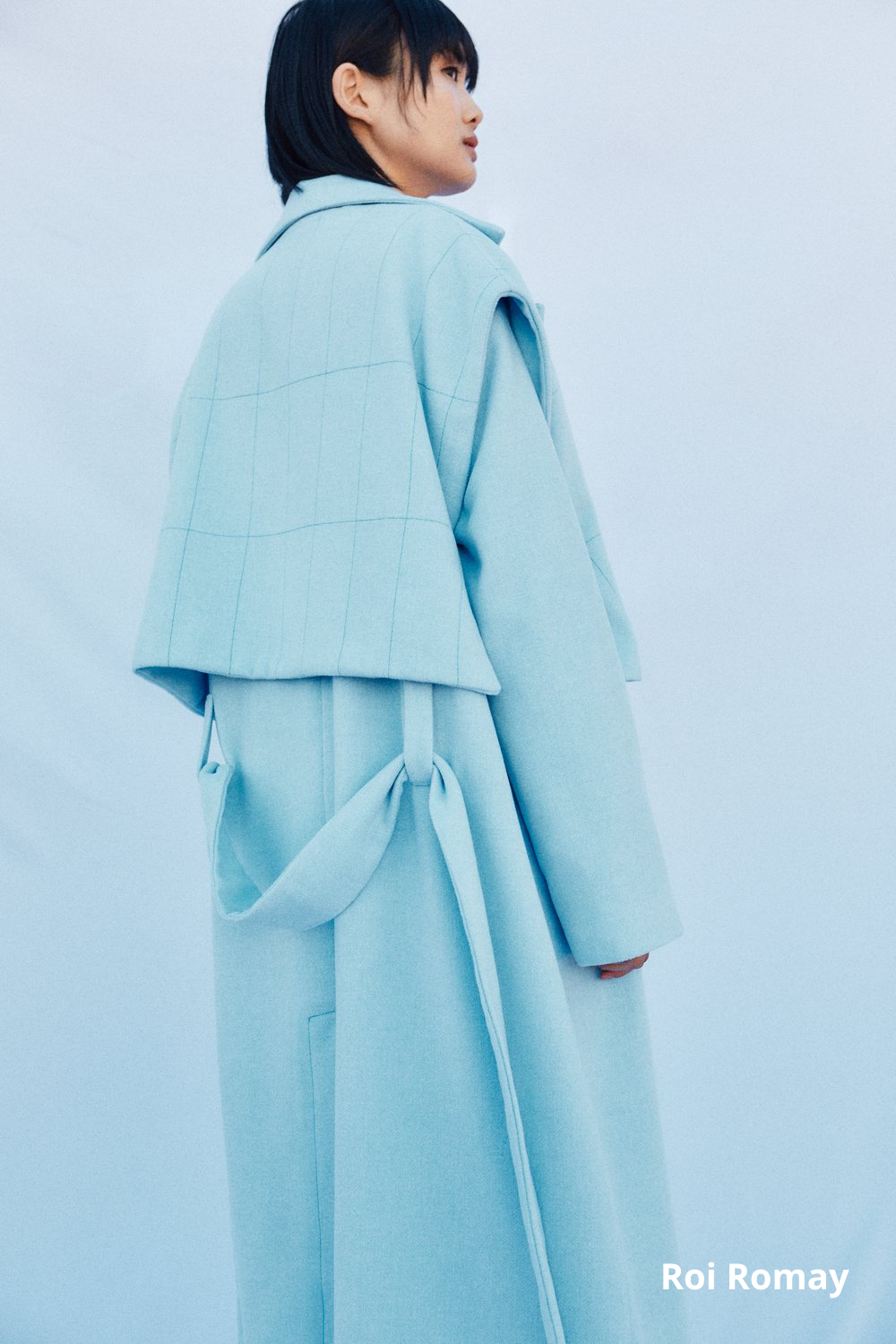
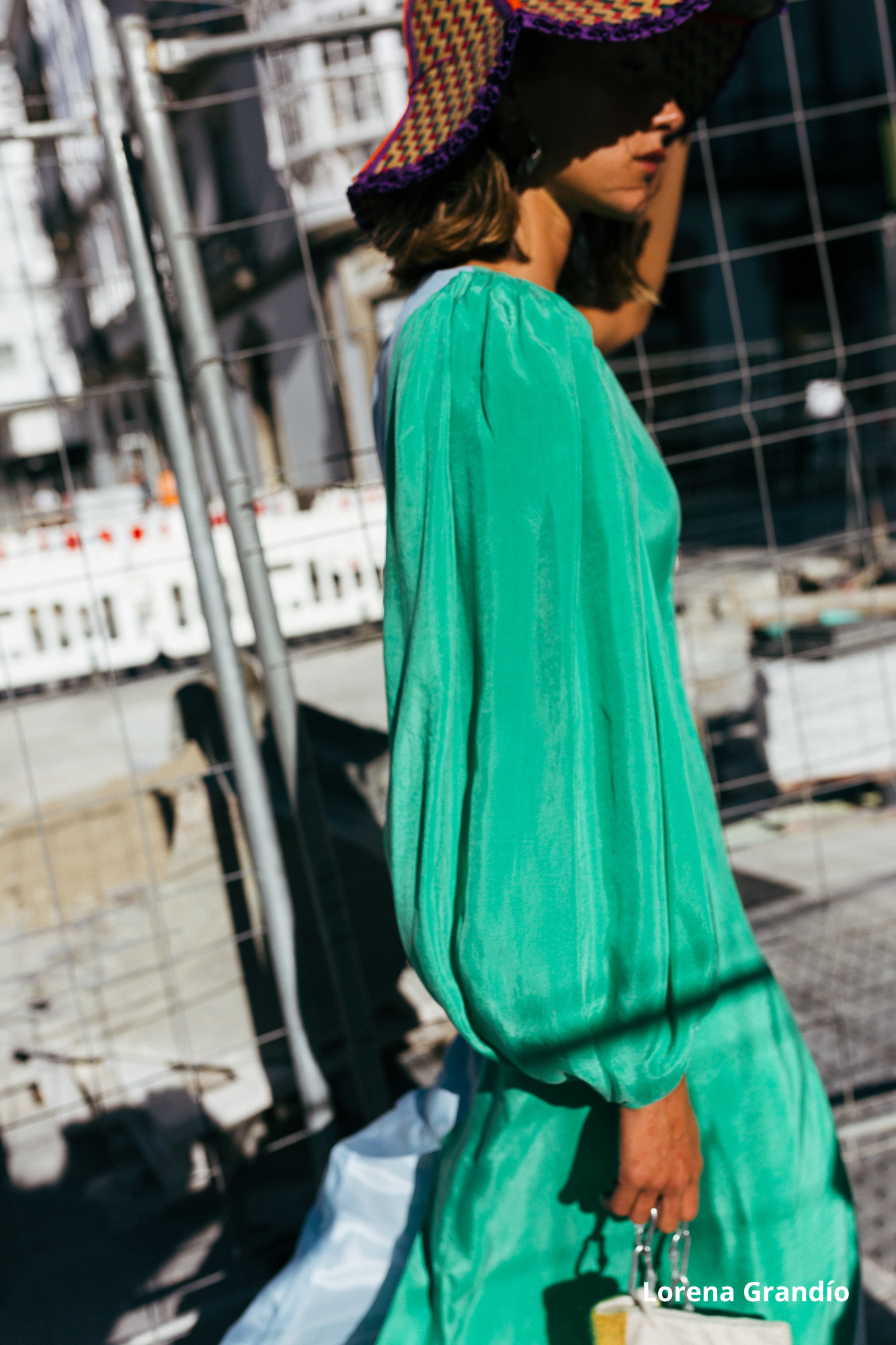
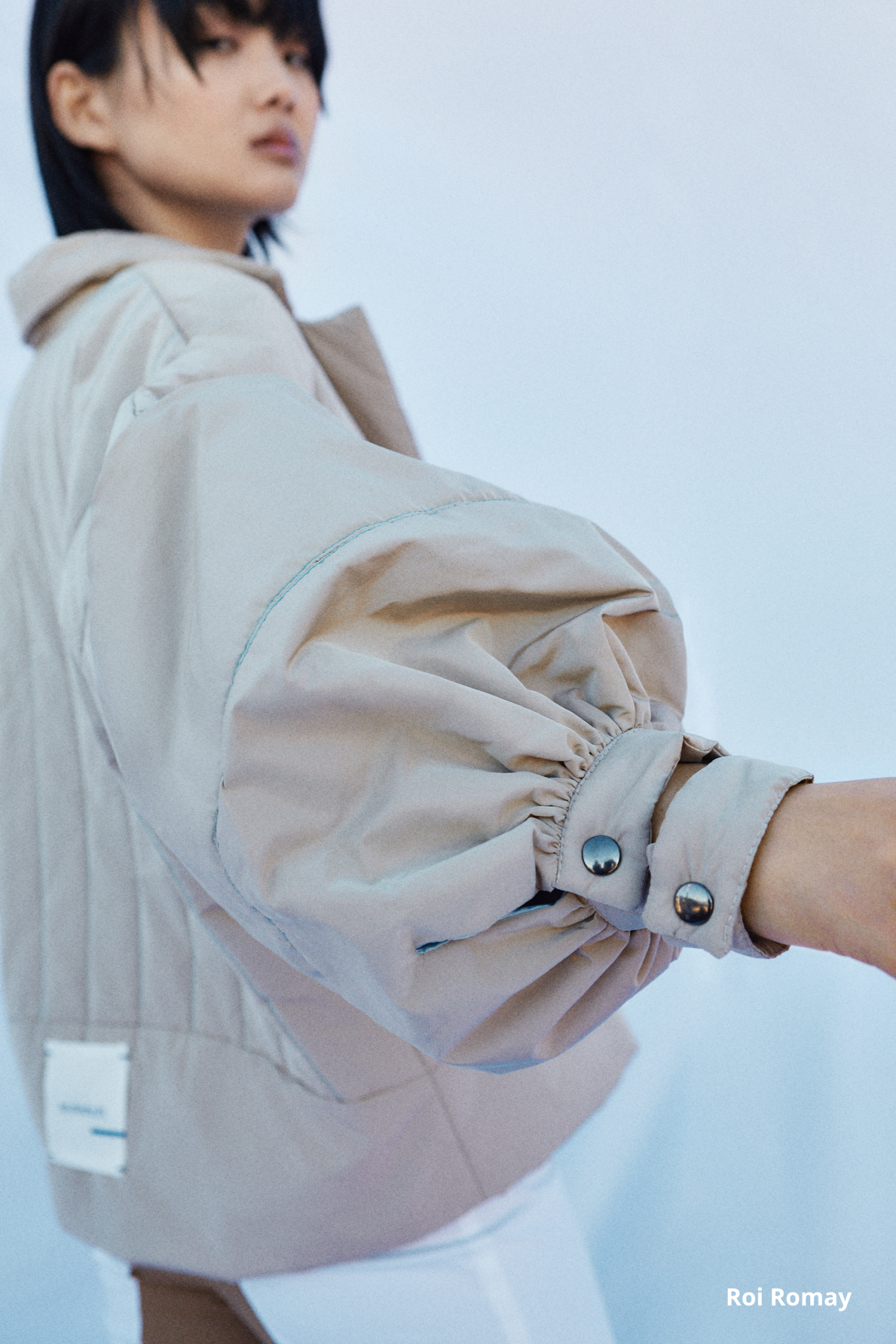
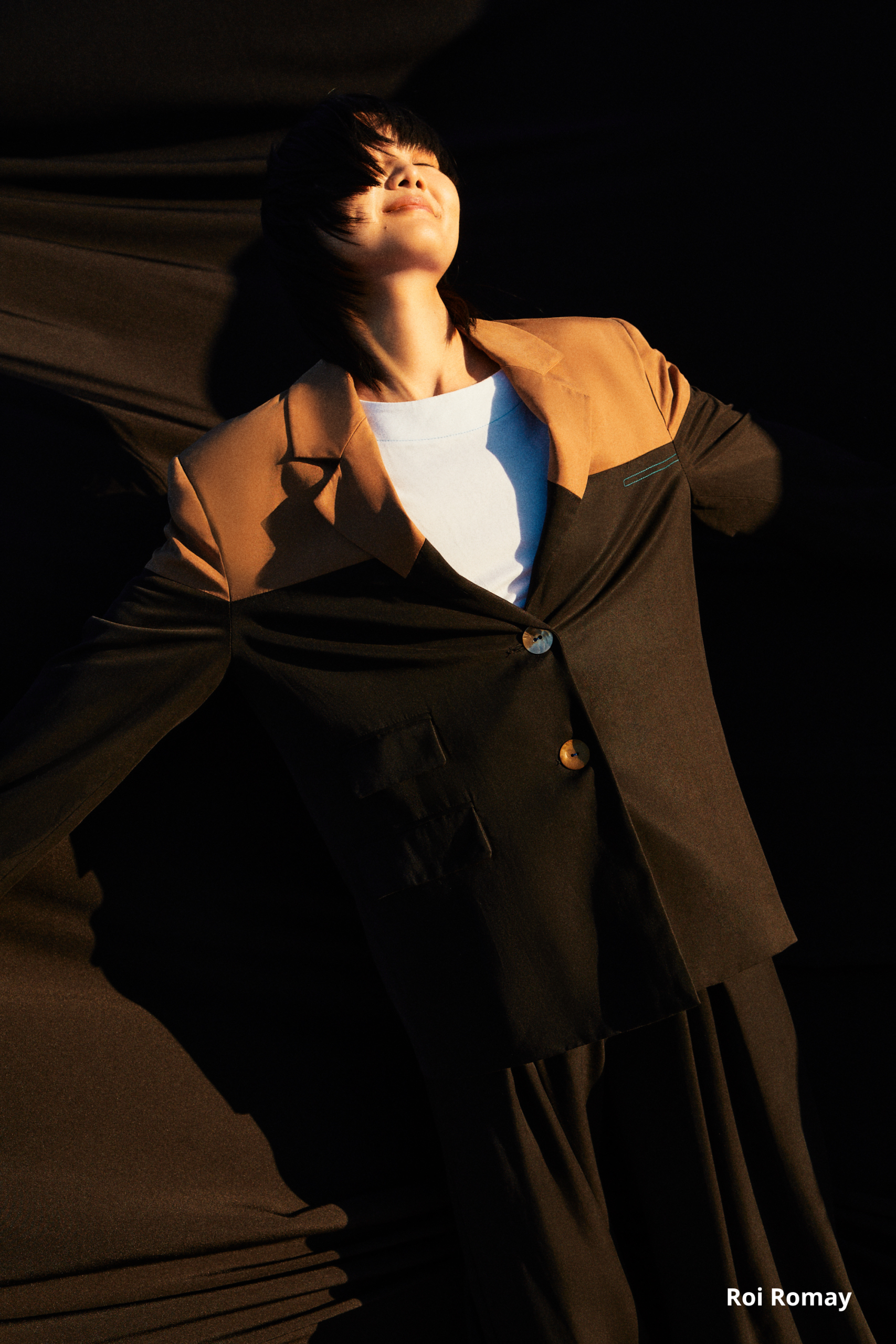
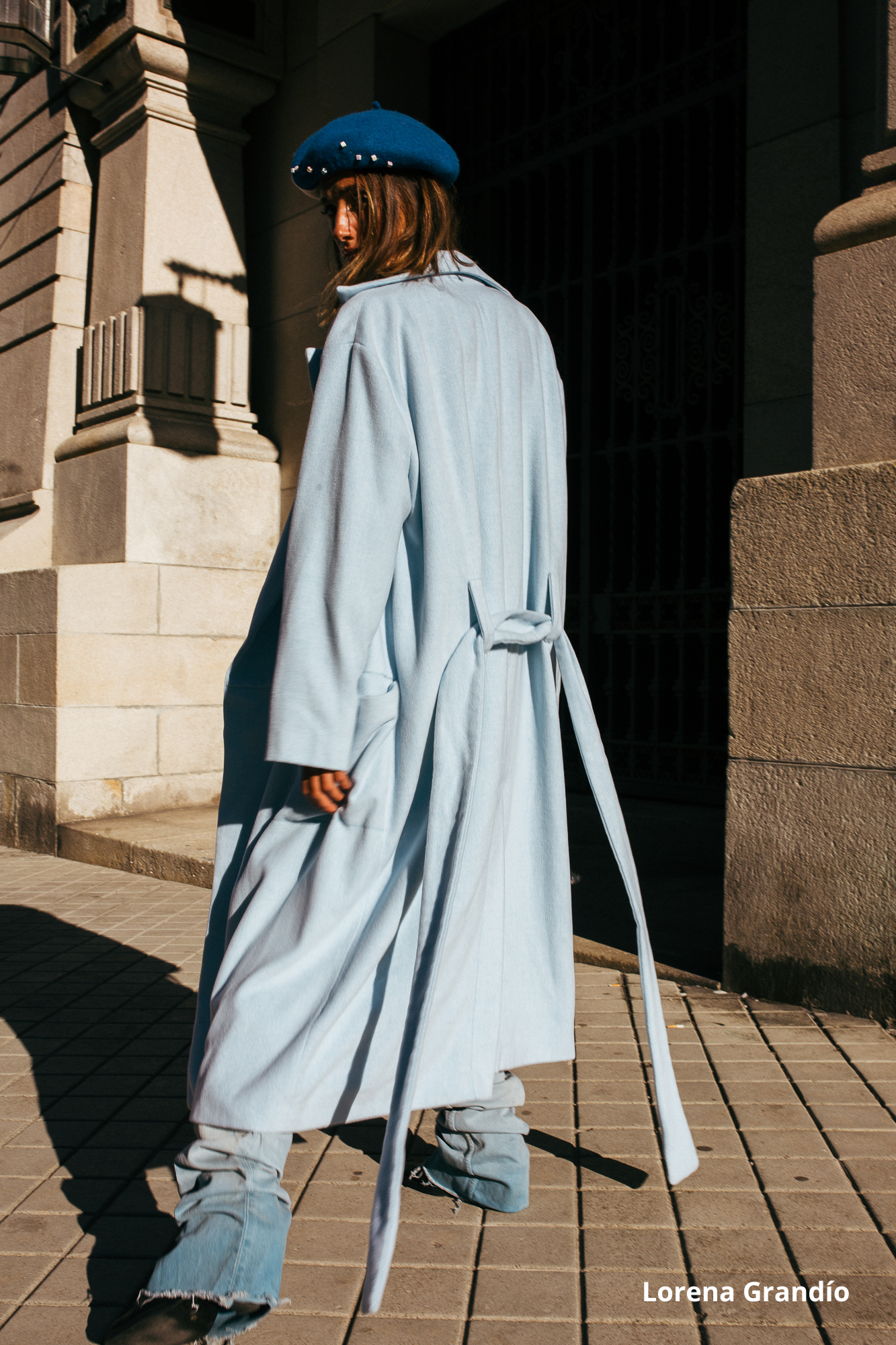
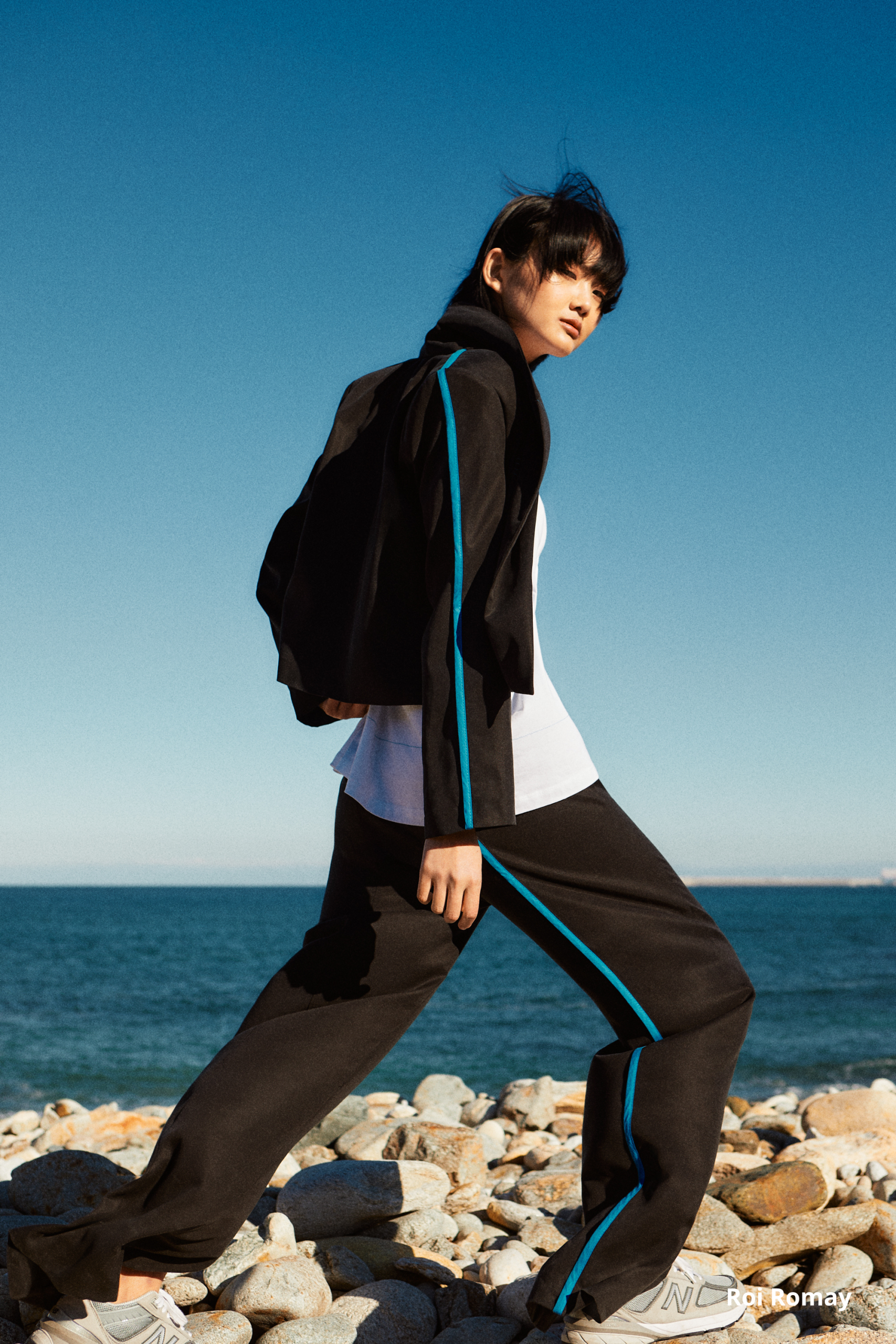
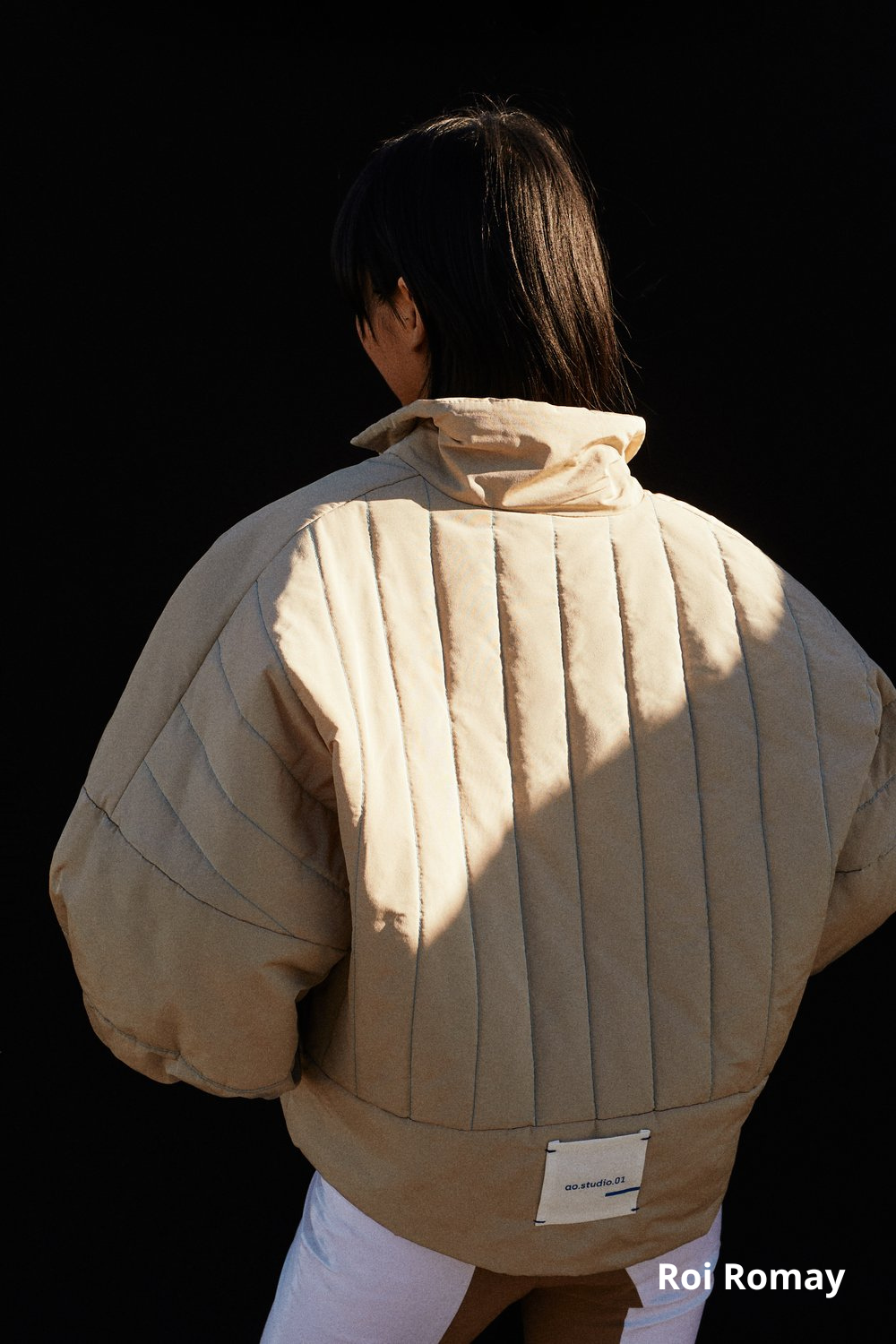
The transition toward a more sustainable textile industry requires not only new production models but also new materials capable of reducing fashion’s environmental impact. In this context, the Galician firm AO Studio 01 serves as an example of how the principles of the European New European Bauhaus initiative can be applied to contemporary design by combining sustainability, aesthetics, and innovation.
The brand, founded by designer and architect Jennifer Núñez in 2020, develops its collections using a local, on-demand, and zero-mile production model, avoiding surpluses and significantly reducing textile waste. Its garments are made in Galicia, between Lugo—where the studio is located—and Santiago de Compostela, home to El Taller de Carmen, which is responsible for manufacturing the garments.
It uses responsibly sourced materials, including fabrics derived from wood-based cellulose fibers, such as lyocell and cupro, which offer a more sustainable alternative to conventional synthetic fabrics. Specifically, lyocell is a fiber obtained from sustainably sourced wood pulp through processes with low environmental impact.
In addition, they use recycled wool and organic cotton in the production of their garments, a feature that reflects the brand’s values, which focus on integrating technological innovation and ecological commitment without compromising on quality and originality. AO Studio 01 also aligns with NEB principles through the architectural inspiration of its garments, particularly Japanese design.
This dialogue between the two disciplines is reflected in the attention to proportion, geometry, the construction of volumes, and the pursuit of functional and durable solutions. Likewise, minimalism and Asian aesthetic sensibilities encourage the interpretation of the collections as a space designed to be lived in, where structure, comfort, and creativity coexist in harmony.
On-demand production is another hallmark of the studio, and it offers a concrete response to one of the textile industry’s major environmental challenges: overproduction. The studio manufactures only the garments requested by its clients, promoting a more conscious model of consumption.
Given all these attributes, it is clear that fashion can serve as a laboratory for innovation aligned with the European Commission’s New Bauhaus vision. Moreover, examples such as AO Studio 01 suggest that the use of fabrics derived from wood and other sustainable materials is shaping the design of the future, while simultaneously generating economic, cultural, and environmental value.