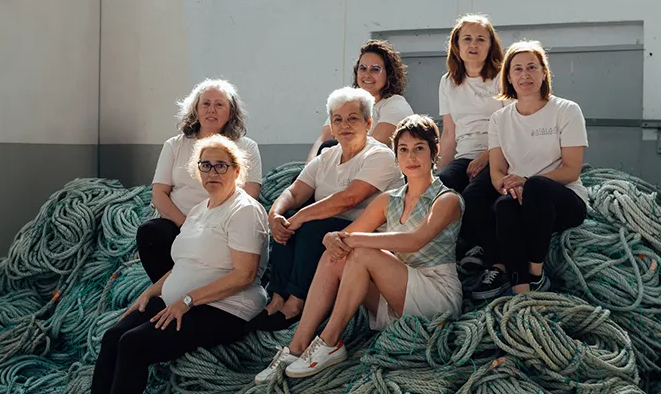
Amalia Puga returns to A Guarda, the town in Pontevedra where she was born. She does so after completing her studies in Toronto and Barcelona. Drawing on her experience in contemporary design, she decided to launch a new project that has since become a leader in sustainable design and the revival of traditional craftsmanship.
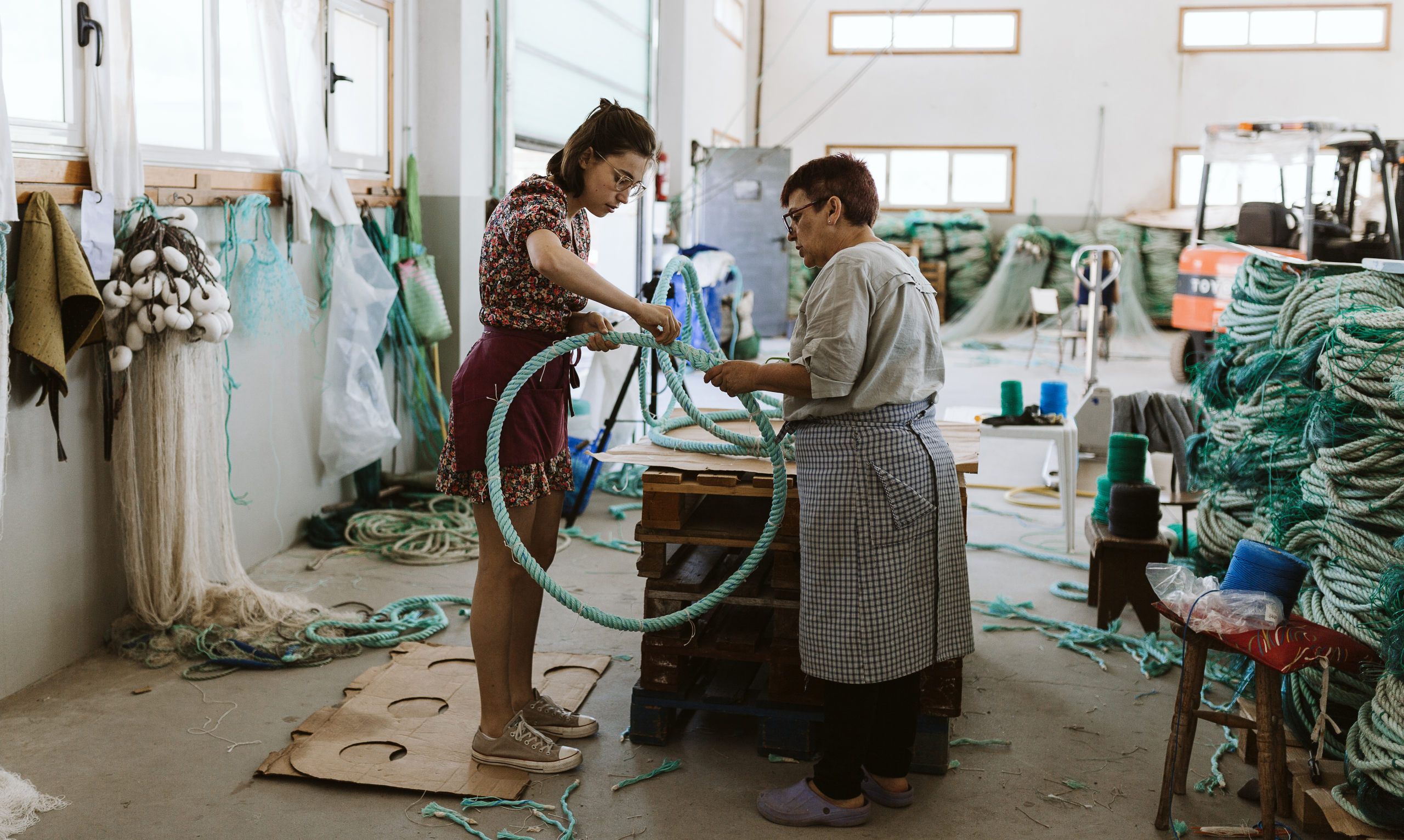
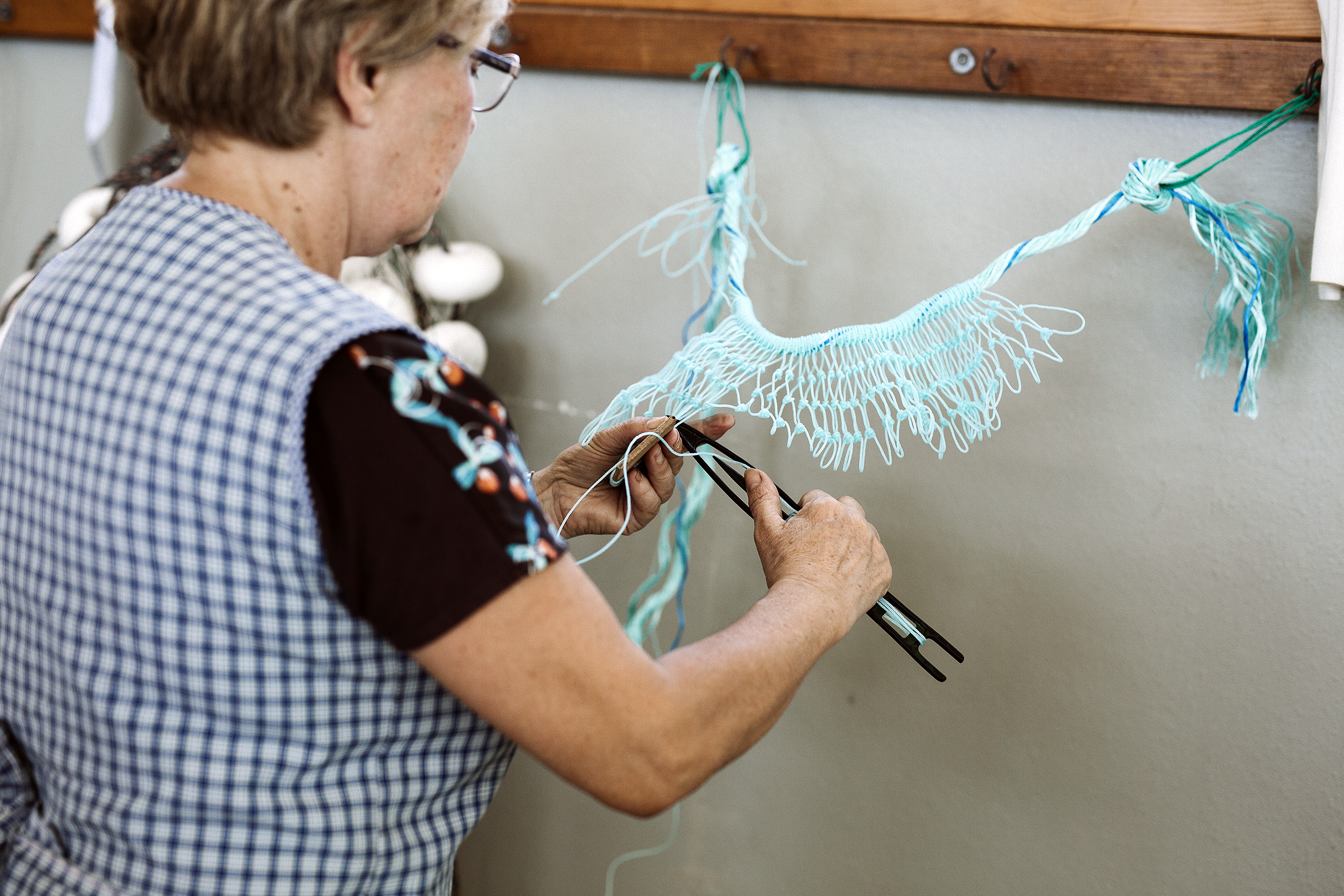
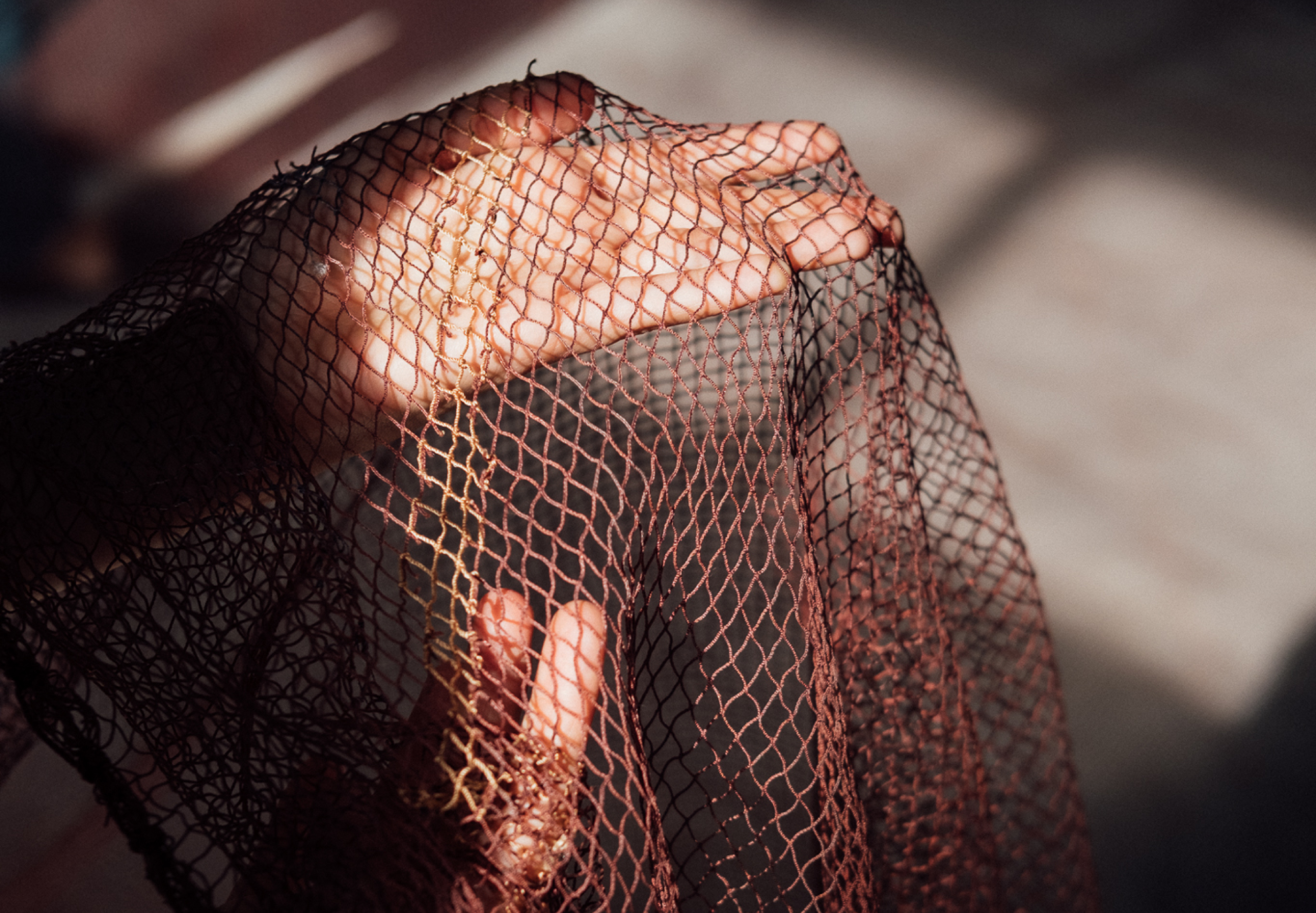
The initiative, called Proxecto Bolina, repurposes fishing nets, ropes, and maritime materials to create lamps, furniture, and accessories—such as scarves and belts—all crafted using traditional techniques linked to the craft of the redeiras. Their work, passed down from generation to generation, involves sewing nets and preparing fishing gear—activities now put to use in the service of innovation.
Among the brand’s most recognizable pieces are the “Volanta” lamps—a Galician term for fishing gear—and “Saia,” the word for skirt, as well as the “Patela” trays, named after a fishing basket, and various accessories made with knots and weaves inspired by seafaring traditions. These and all the creations are handmade and aim to give a second life to materials discarded by the fishing industry.
The values of the project combine sustainability, memory, and local craftsmanship, serving as an example of best practices in the implementation of the New European Bauhaus initiative. As the firm itself explains, it aims to “innovate outside major cities” and use design as a tool for social transformation and the preservation of Galician cultural heritage.
They also actively involve the public in the development of their collections, as they work closely with the Atalaia do Baixo Miño Lace Makers’ Association. In this way, they also help preserve a unique tradition that is in danger of disappearing due to the standardization of industrial design.
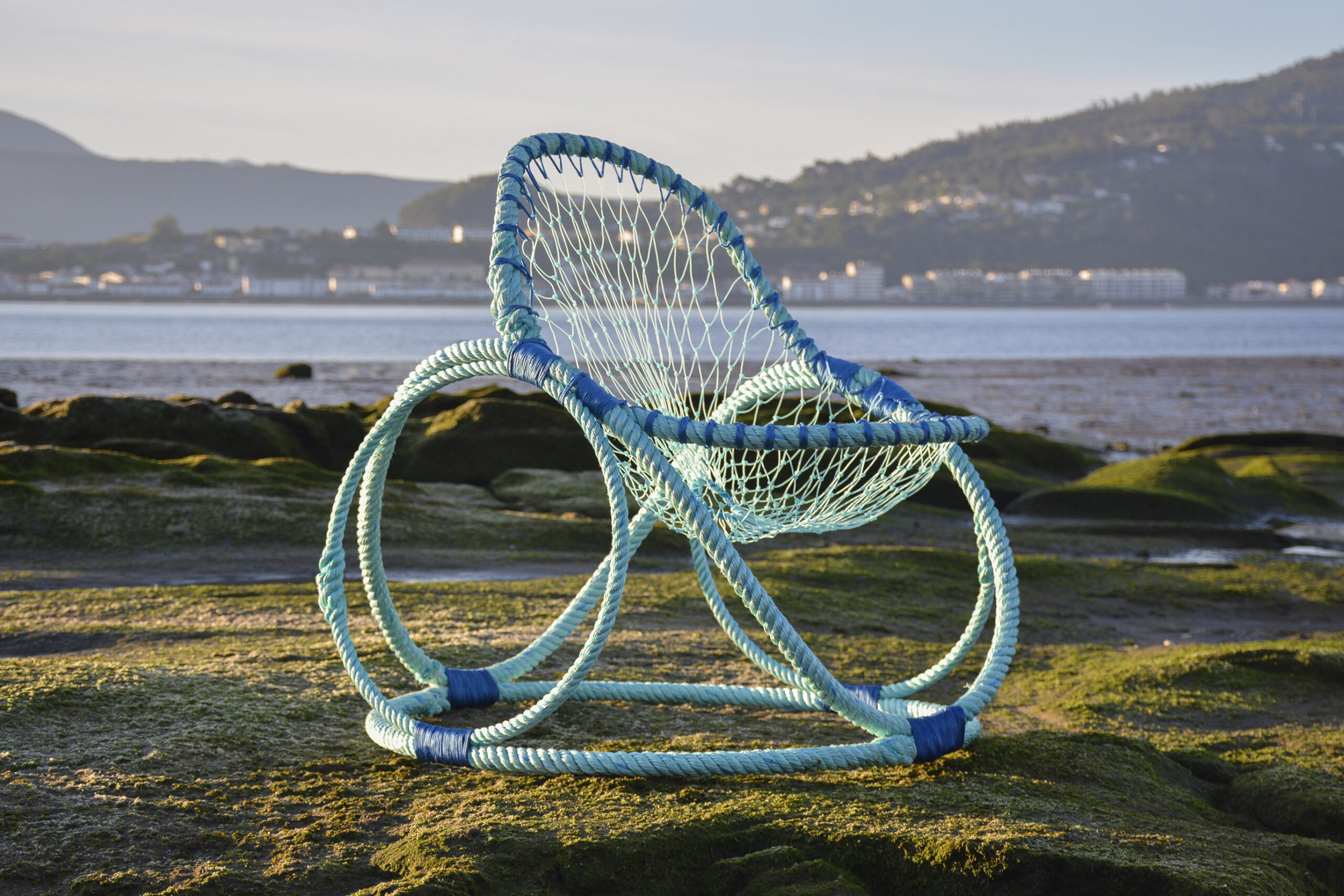
Recognition for Amalia Puga’s project was not long in coming. In fact, as early as 2020, the “Bolina” chair—which gave the initiative its name—received the Gold Medal from the ADI Industrial Design Association. The award recognizes the designer’s creativity in blending “social and environmental aspects with a strong emotional component that revives a traditional craft and gives a second life to an unused material.”
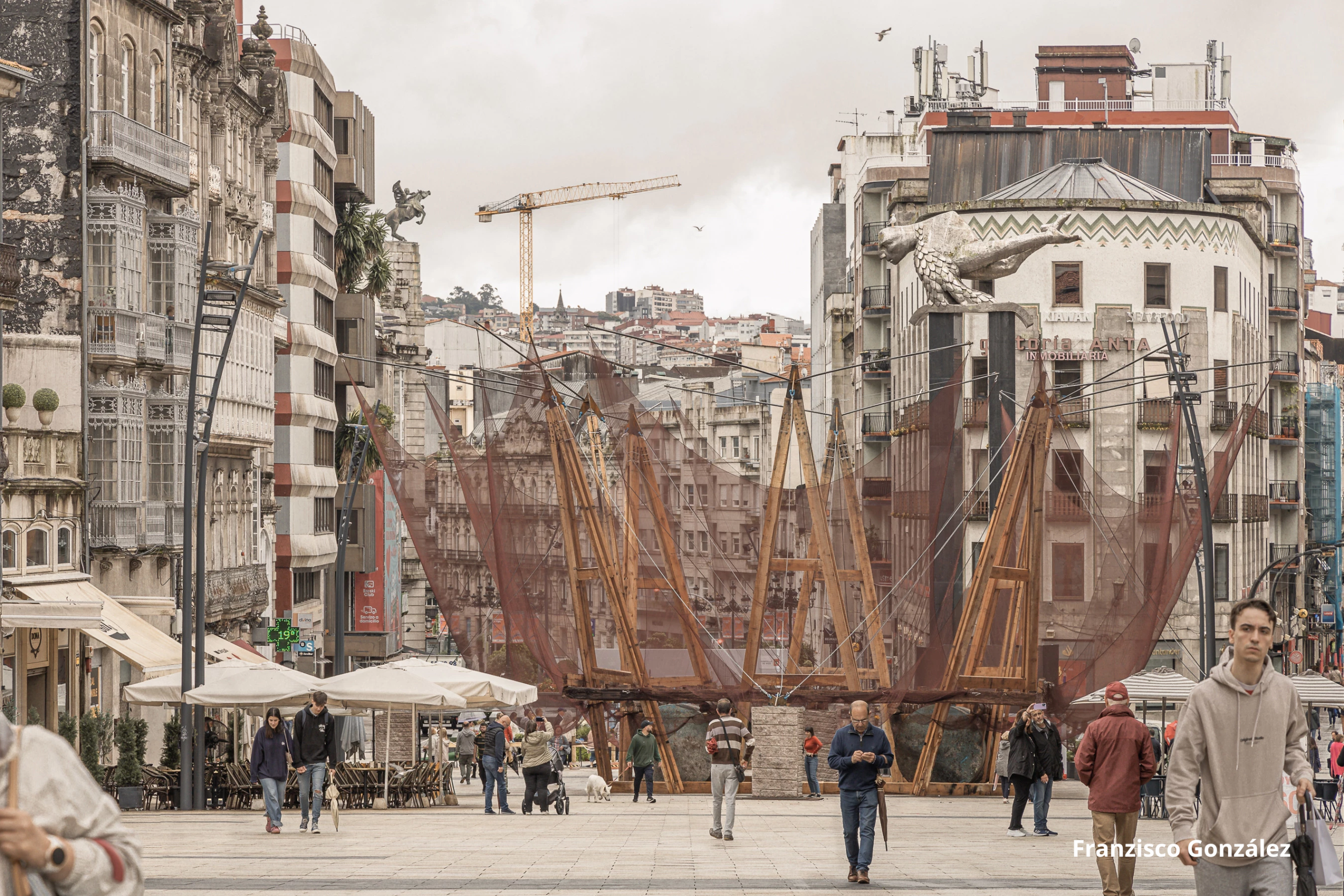
Proxecto Bolina currently markets its products internationally while maintaining small-scale, artisanal production in Galicia. It has also strengthened its established presence in the field of architecture through its participation in events and activities such as the Concéntrico Festival in Logroño, as well as in the construction of temporary pavilions. One such example is ¡Qué faena(r)!, by architects Oscar Cruz and Pablo Paradinas in Vigo, at the TAC! Festival.