The first housing cooperative built on public land in Barcelona has been created in Sants, in the historic Can Batlló factory complex. Its design and operation have been recognized with two international awards: the prestigious Mies van der Rohe Award for Emerging Architecture in 2022 and, last year, the European Collective Housing Award.
It is called La Borda and its philosophy is based on guaranteeing access to a dignified and affordable life, moving away from the speculative model of housing in the conventional market.
That is why the individuals and families who are part of the cooperative access their homes through a transfer of use scheme, in which values such as coexistence and mutual support, in line with the principles of the social and feminist economy, prevail over market value.
This project began in 2012 on the initiative of local residents, who have been involved in every stage, from design to construction and management of the building.
This area, traditionally marked by industrial work, has a long history of developing cooperatives that seek to address the social and economic concerns of their members.
They have worked closely with Lacol Arquitectura Cooperativa, founded in 2014, which has brought this self-managed project to fruition, among others such as the La Raval Housing Cooperative, which won a CSCAE 2025 Award, as well as the Casa de la Arquitectura 2025 Award in the “Adaptability” category.
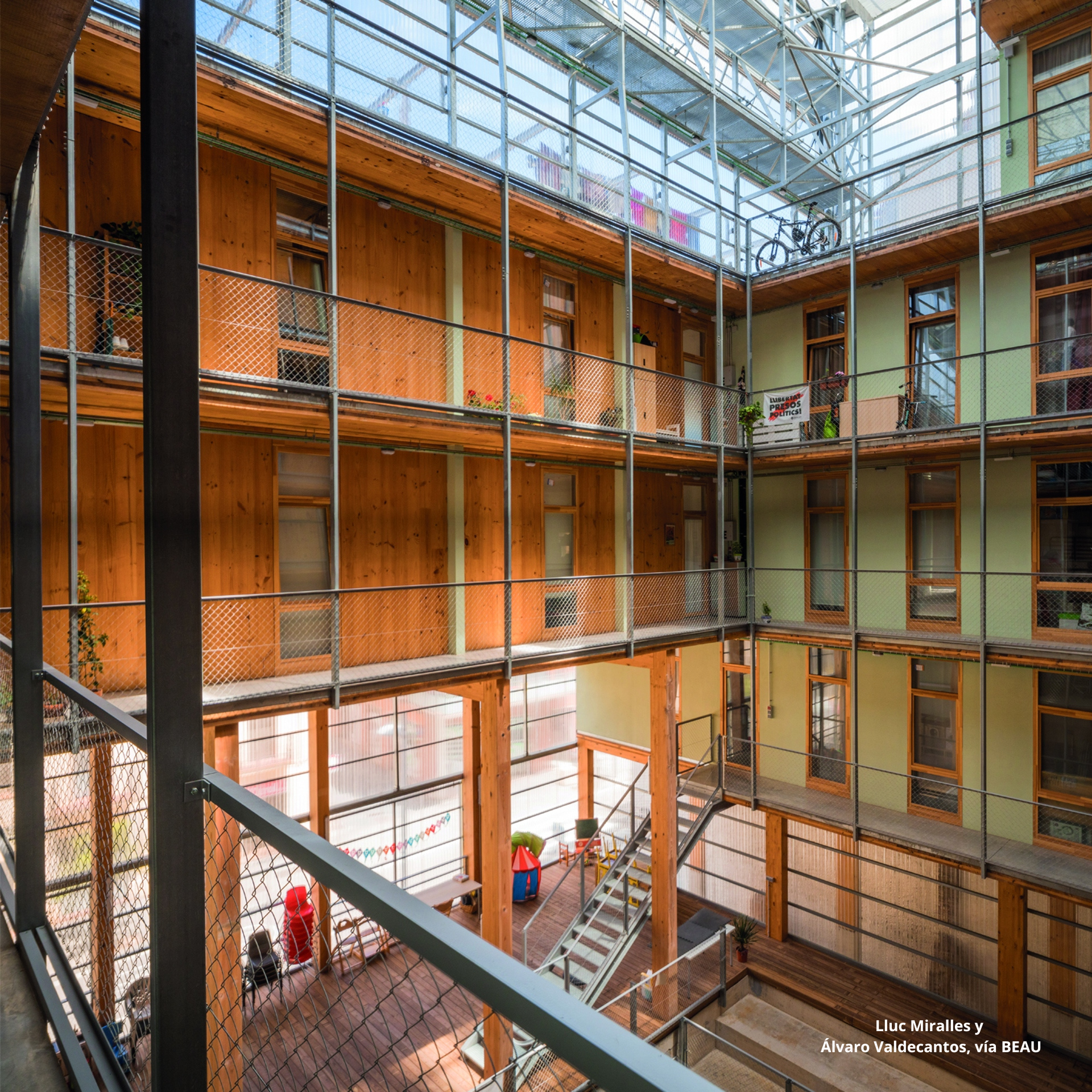
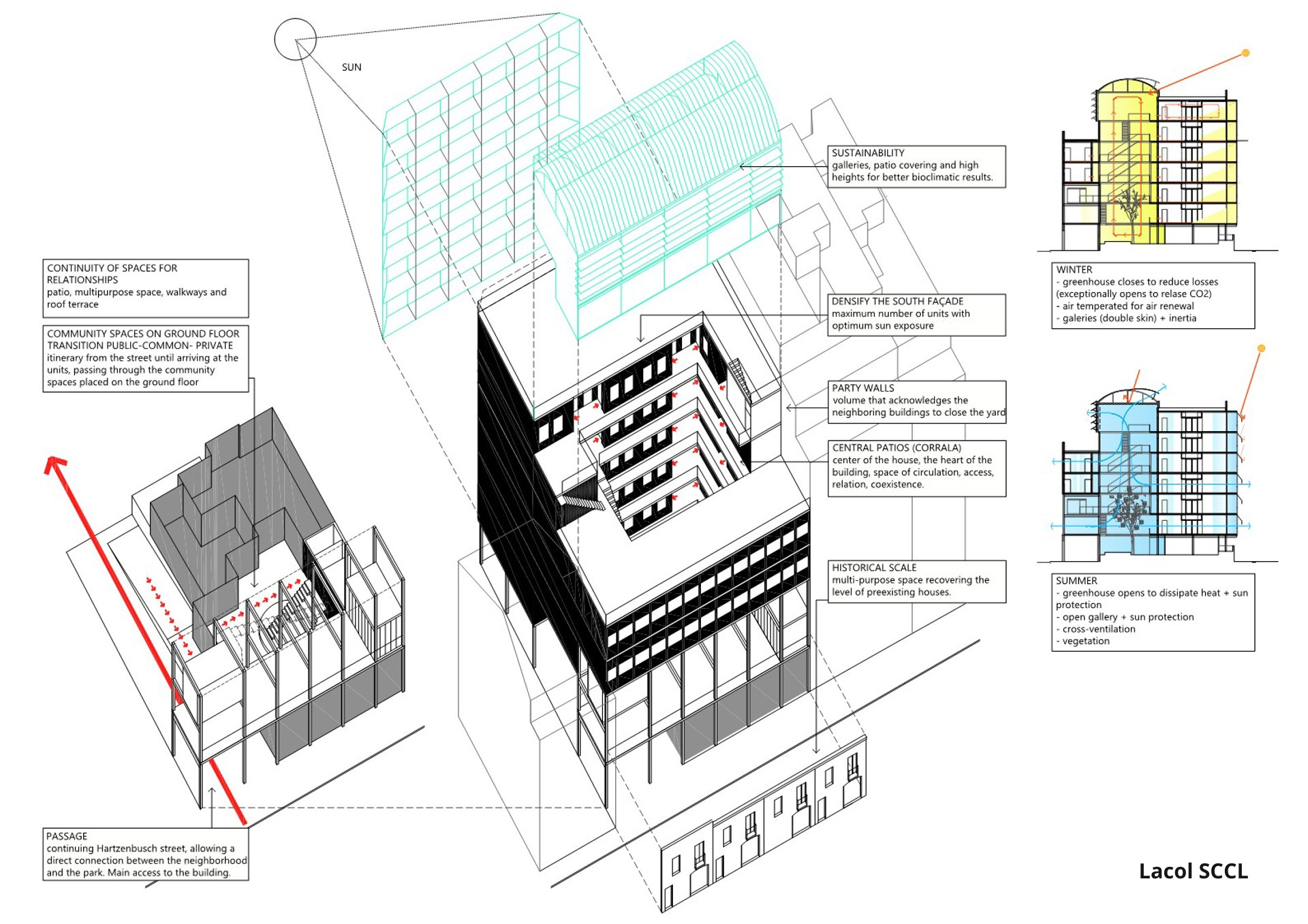
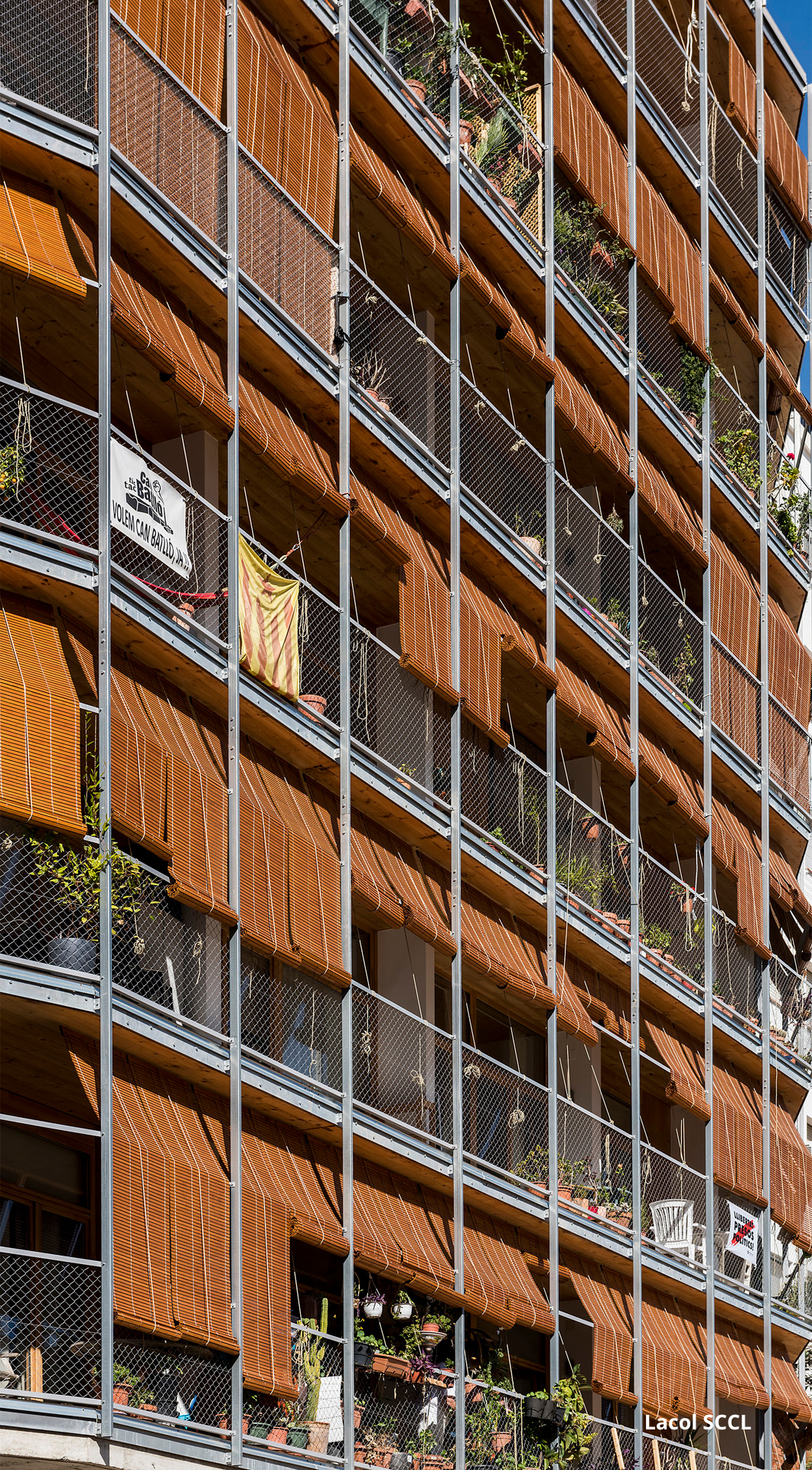
Active participation and inclusion are not the only New Bauhaus values present in these proposals; sustainability is also a key feature. La Borda was built according to environmental criteria that promote ecological transition, prioritizing the use of wood.
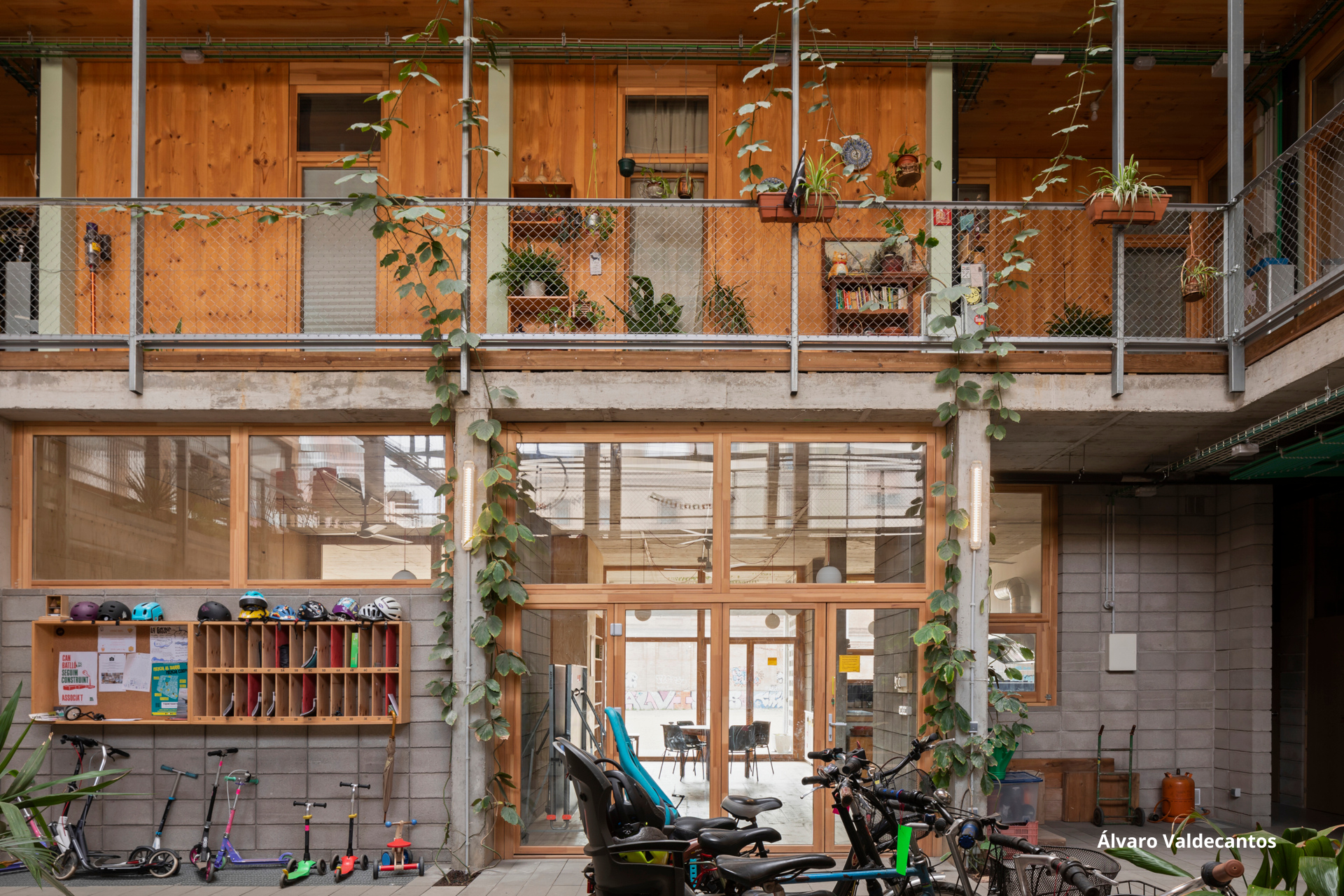
These housing solutions are characterized by their minimal energy consumption, thanks to the application of innovative techniques that prioritize the reuse of materials, and by promoting interpersonal relationships and community life among their residents through shared spaces.
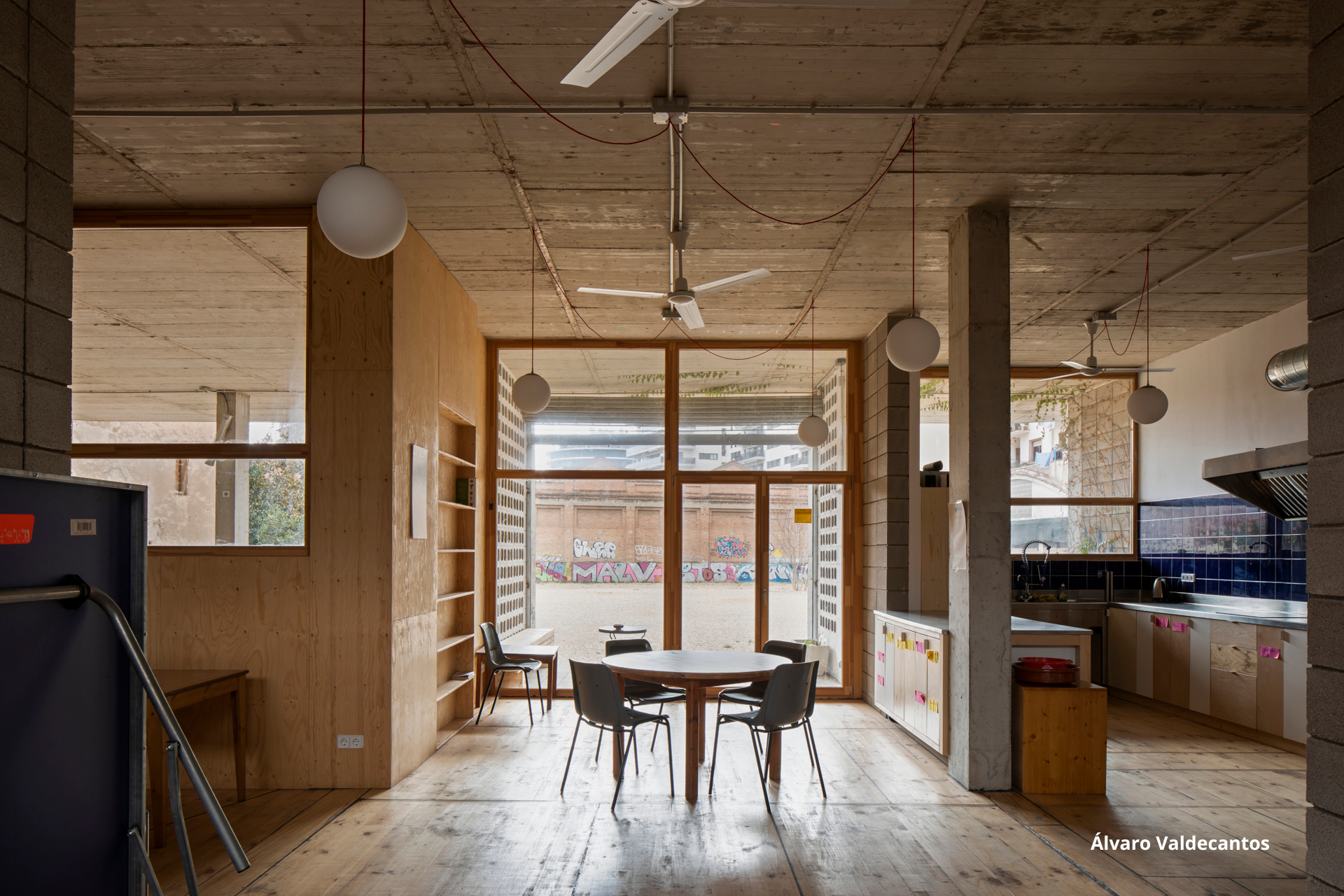
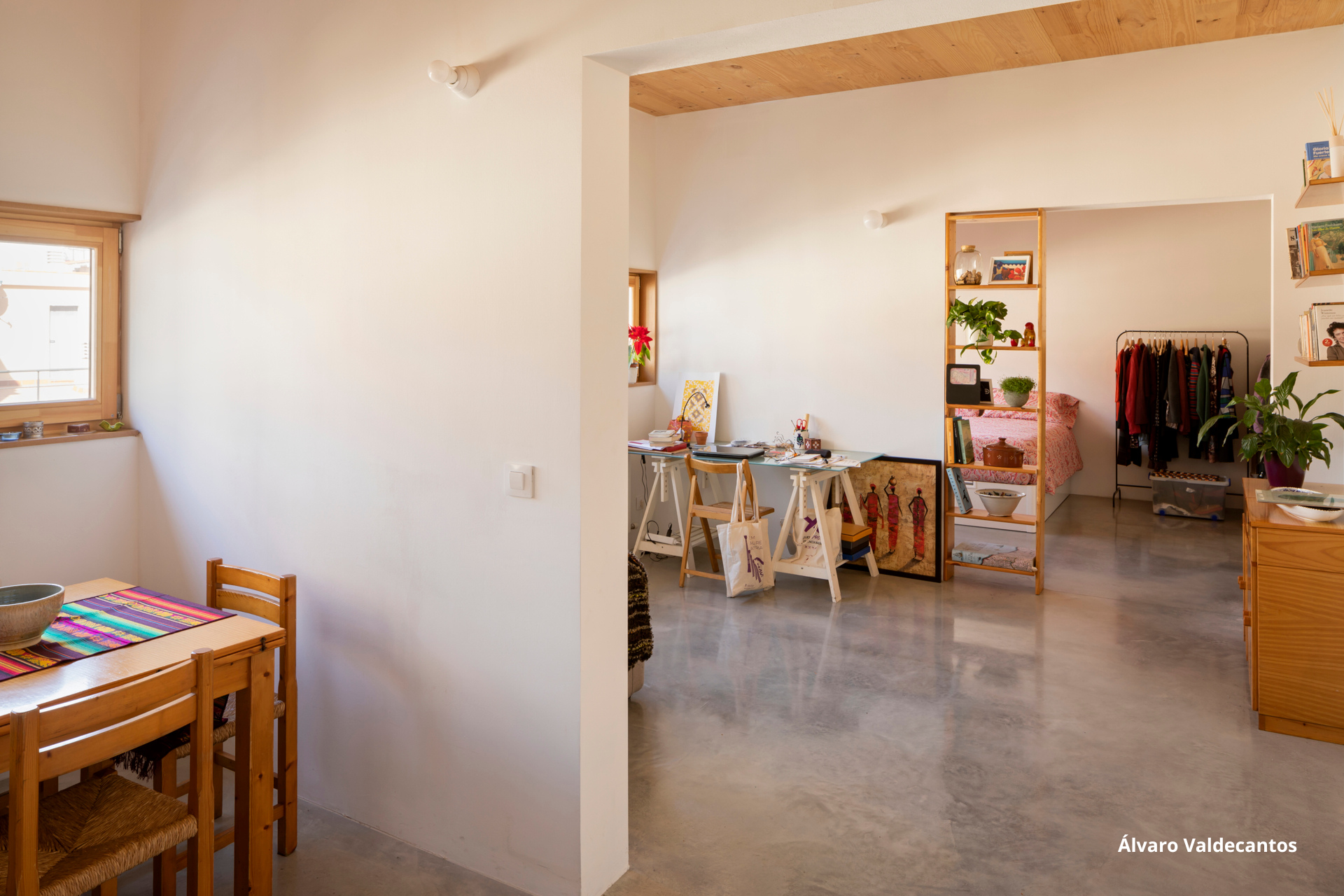
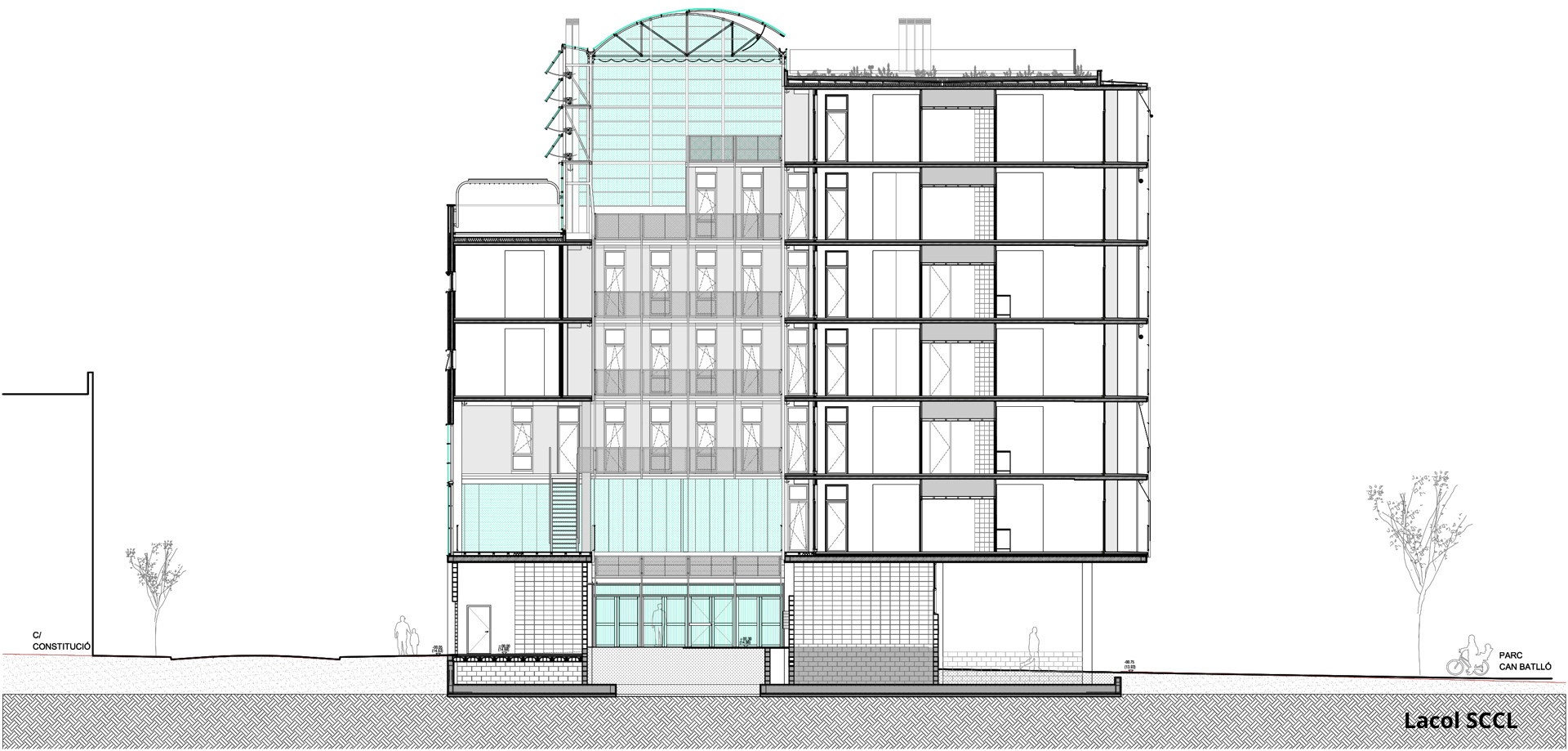
In total, the building has 28 homes measuring 40, 60, and 75 square meters, and its shared spaces, which expand the traditional concept of home, include a communal kitchen-dining room, laundry room, care and health room, vegetable gardens, and outdoor or semi-outdoor spaces such as the central courtyard and rooftops. These areas also enhance the building’s bioclimatic design through maximum use of solar energy and cross ventilation.