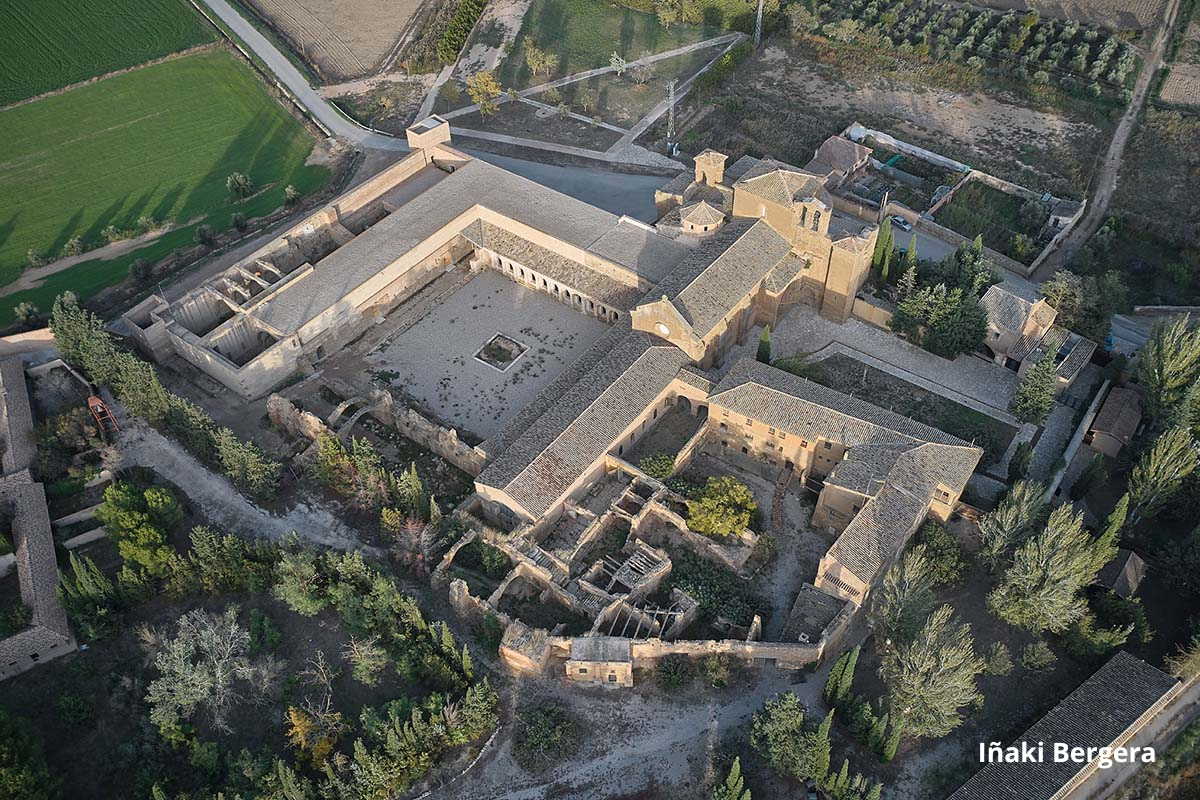
The Royal Monastery of Santa María de Sijena, in Aragón, has added a new chapter to its history thanks to a recent restoration project carried out by the architectural firms Pemán y Franco Arquitectos and SEBASTIÁN Arquitectos. Their professionals have successfully integrated respectful contemporary solutions into a traditional setting with a strong regional identity.
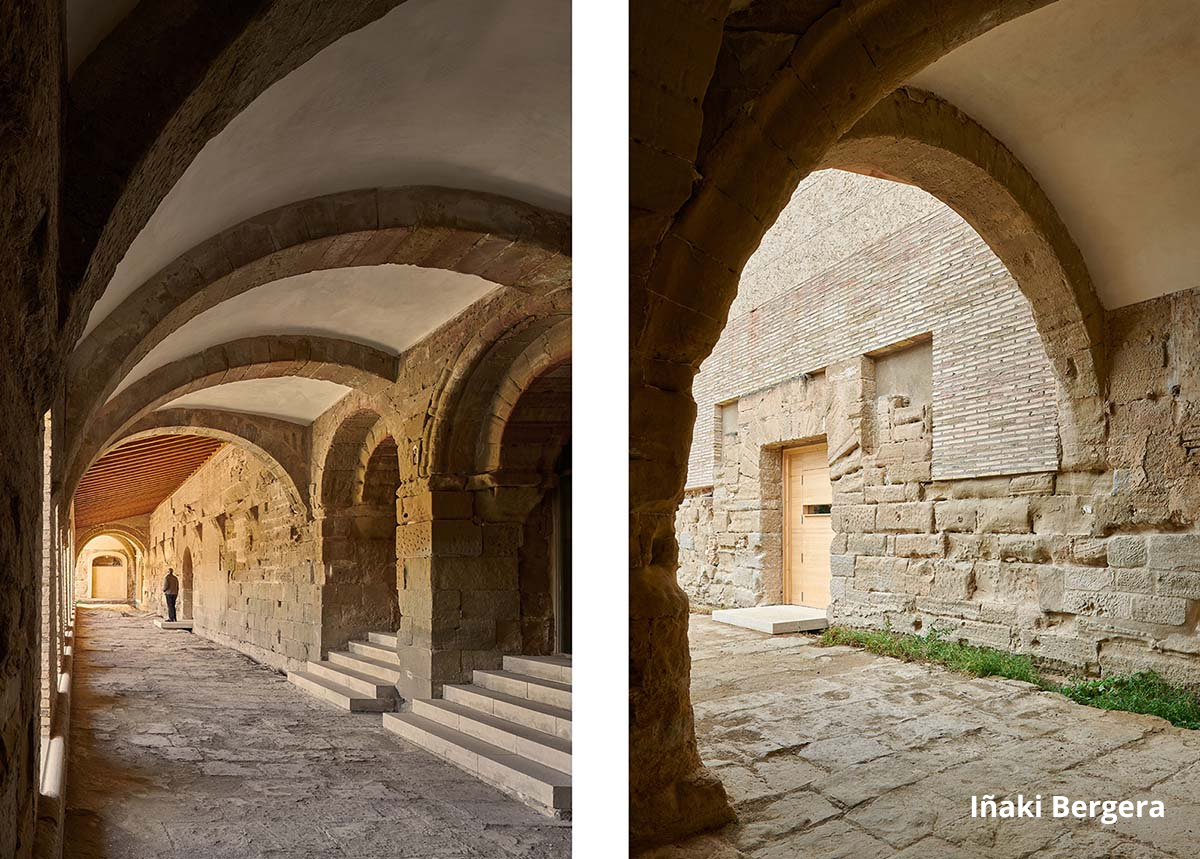
The basis of the intervention on this monument with over eight centuries of history has been the use of ceramic materials, in keeping with the original architecture and clearly distinguishing the new additions from the existing structures.
In this way, degraded spaces have been restored, the functionality of the complex has been improved, and its conservation conditions have been strengthened without altering its original characteristics, which distinguishes the renovation as a clear example of the implementation of NEB values.
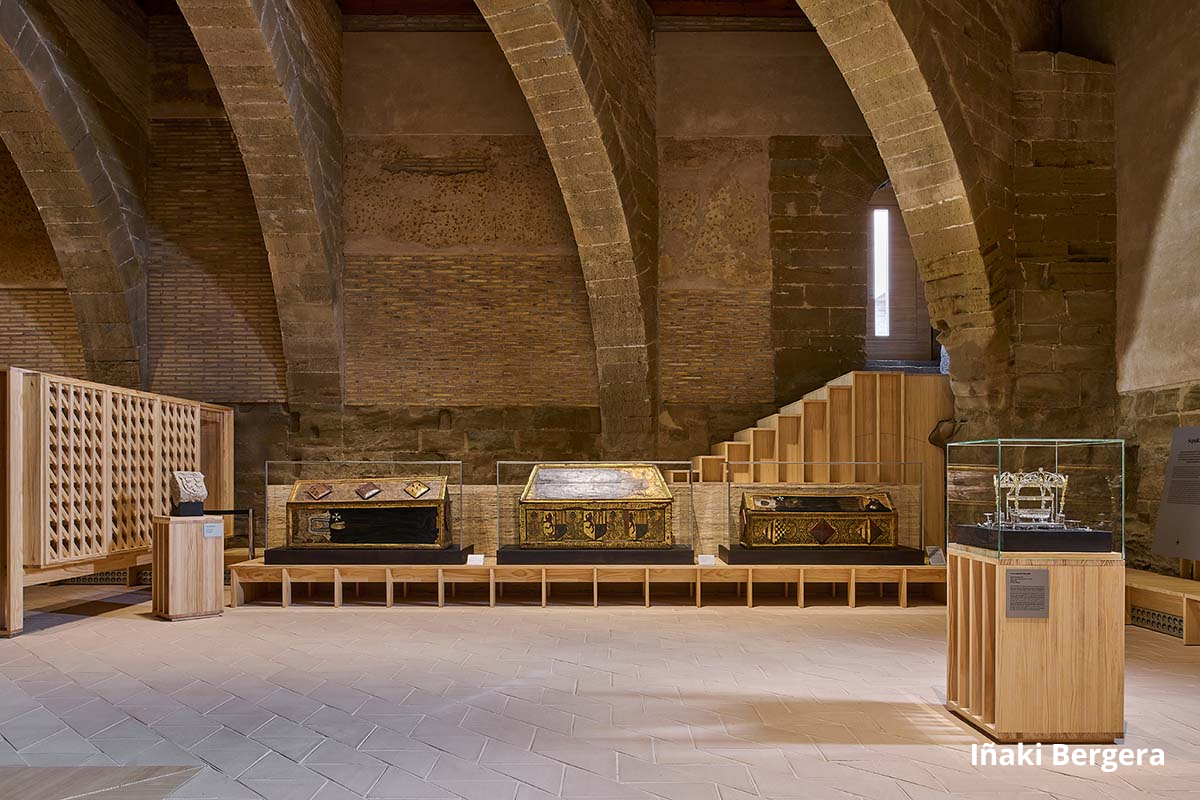
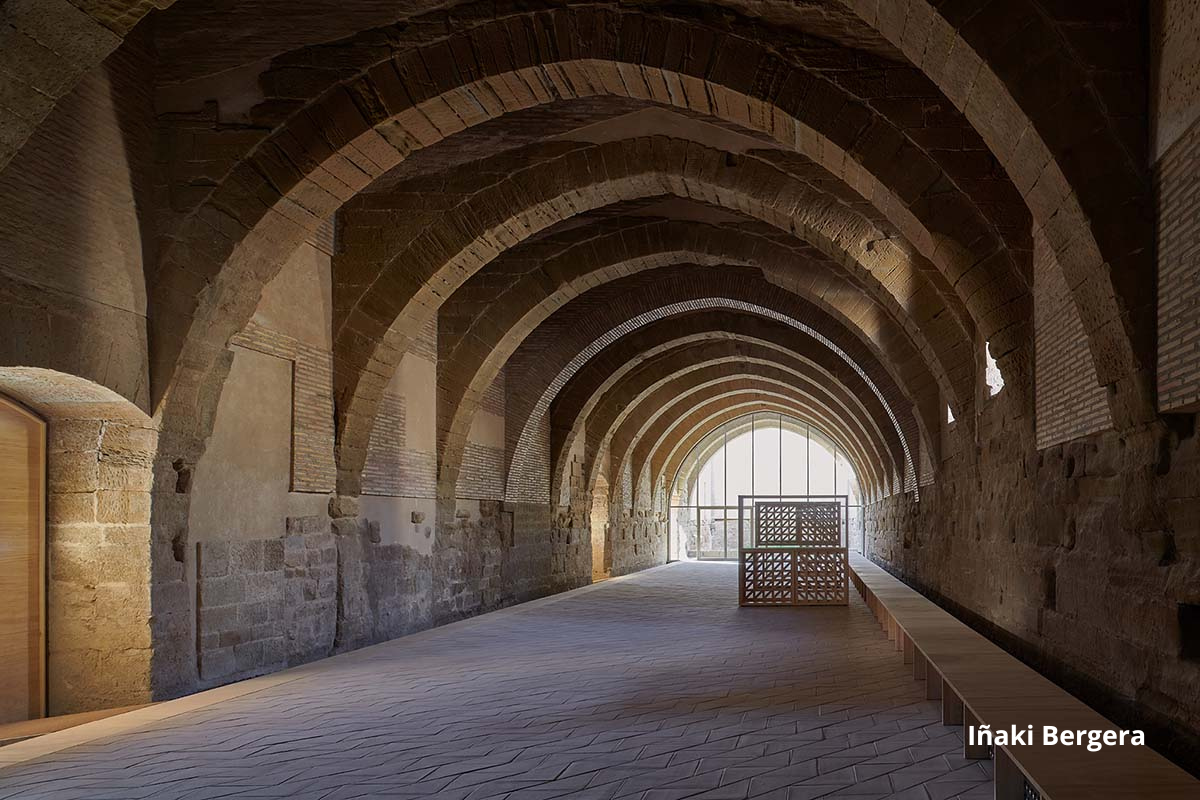
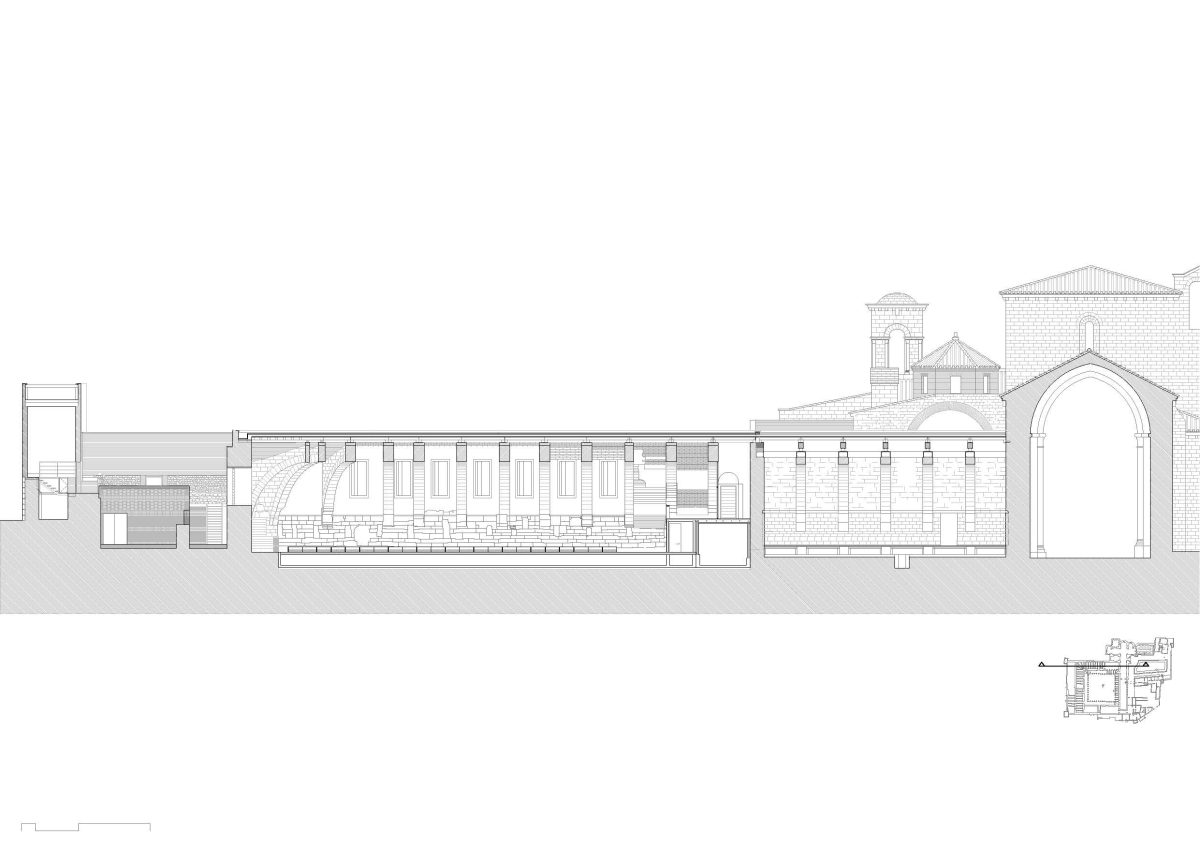
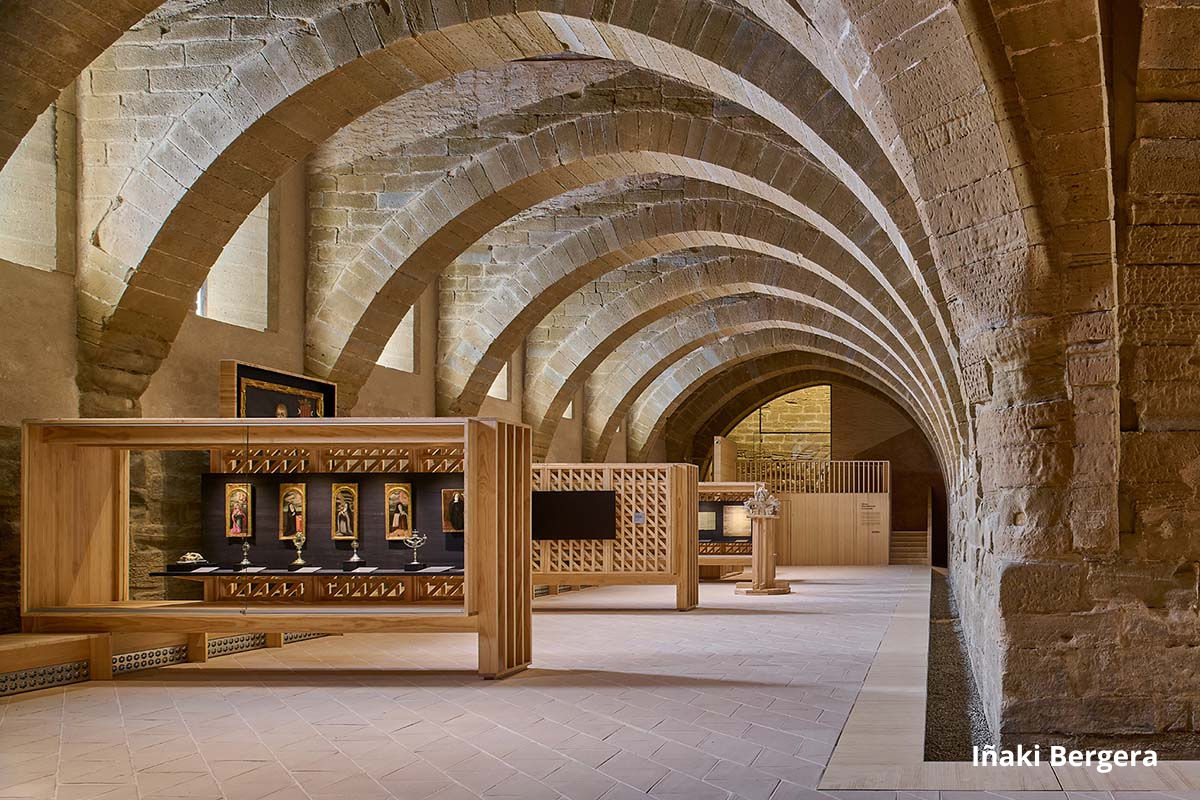
Specifically, the dormitory wing has been adapted as a new exhibition space for the monastery’s artistic pieces, incorporating improvements in climate control and lighting, as well as measures to prevent moisture damage. The existing walls and arches have been restored, and new ceramic flooring has been installed, creating a sober, monastic atmosphere that respects the monument’s medieval character.
This project has been honored with the 2023–2025 Hispalyt Brick Architecture First Prize, the highest distinction awarded by the Spanish Association of Manufacturers of Fired Clay Bricks and Tiles to the finest architectural works created using ceramic materials.
Furthermore, the project has recently received another significant award: the Renovation Award at the 2026 Architecture Awards of the Higher Council of Architects’ Associations of Spain (CSCAE), which highlighted the subtlety, technical rigor, and heritage sensitivity of the work carried out on this complex dating back to the 12th century. Indeed, the building is a key element in the history of the Aragonese community.
An architectural narrative of Aragon
It was founded in 1188 by Queen Sancha of Castile, wife of King Alfonso II of Aragon, and quickly became one of the most important religious and political centers of the Crown of Aragon. From its origins, it was linked to the Order of St. John of Jerusalem and was conceived as a royal convent.
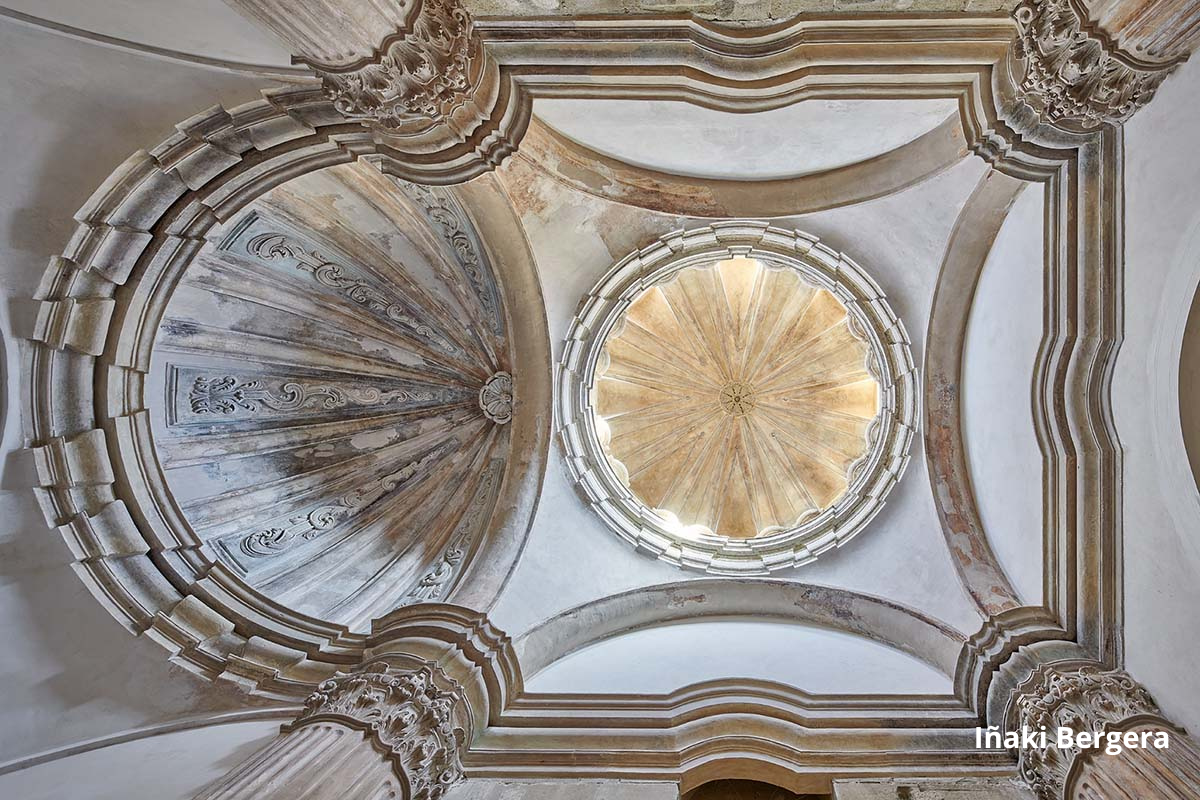
Nor can we fail to mention its extraordinary artistic wealth, which made the monastery a benchmark of European medieval art. However, due to the circumstances brought about by the Civil War, a fire in 1936 destroyed much of the complex, particularly the rooms and the distinctive mural paintings in the Chapter House.
Finally, since 2002, the town has embarked on an ambitious architectural restoration project that, through the coordinated efforts of architectural firms, public institutions, and citizen participation, aims to restore this complex to its former prominence in the town—a flagship project in the application of the principles of the European Commission’s New European Bauhaus initiative.