A commitment to urban regeneration, sustainability, and social cohesion: These are the guiding principles behind the “Villaverde+Industrial” initiative. This initiative by the Madrid City Council, part of the Co-Create program of the EIT NEB community of the European Institute of Innovation and Technology, is being implemented in the industrial park of the Madrid municipality of Villaverde, south of the capital, and aims to transform it through inclusion and the tools of the ecological transition.
Its purpose is highly complex and addresses the challenges of the present: to leverage these spaces to meet the current needs of their residents. In the face of the processes of deindustrialization and degradation that have affected many industrial areas, this project proposes a new model that combines the modernization of existing infrastructure with the incorporation of innovative activities linked to the circular economy.
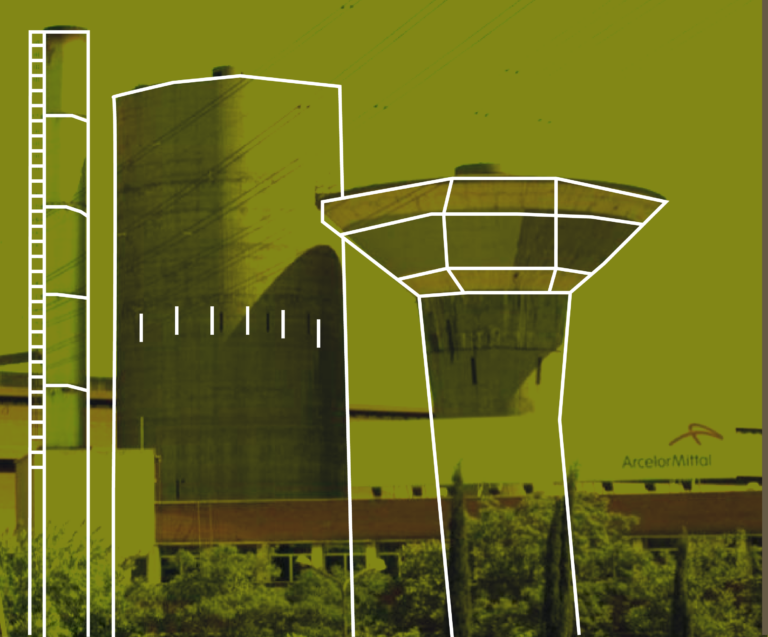
The idea is not to strip the area of its traditional industrial identity; on the contrary: it is about integrating it in a way that is more efficient and respectful of the environment and the daily lives of its residents, improving both its environmental impact and its relationship with the well-being of nearby neighborhoods. Thus, it promotes the rehabilitation of industrial buildings, the creation of more natural spaces, and the reduction of pollution.
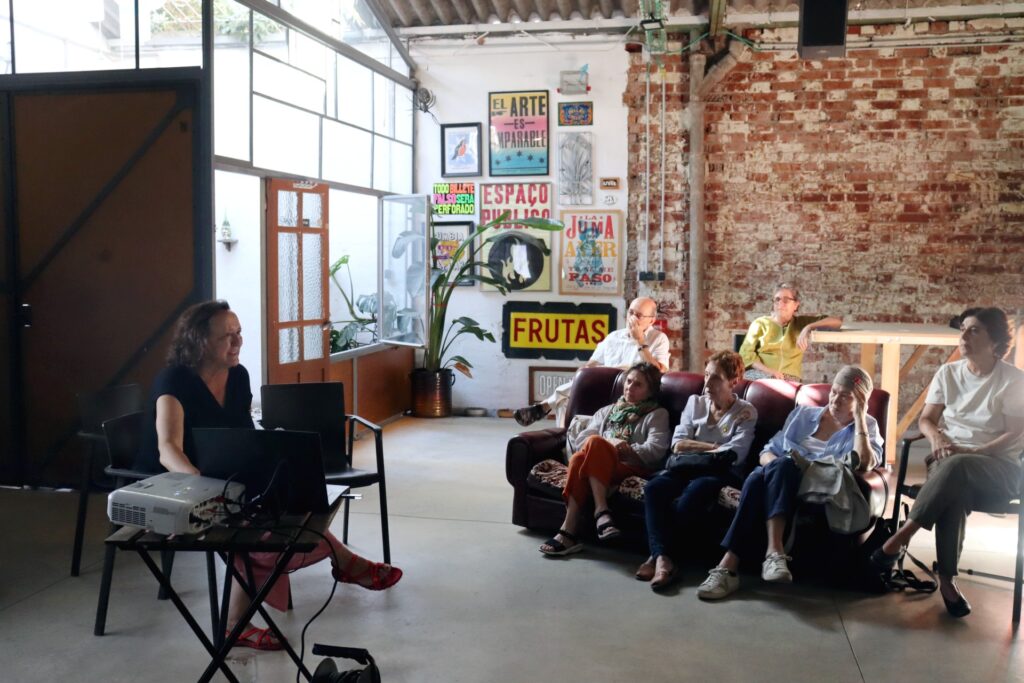
This transformation has not only a physical dimension but also a social one, as it aims to create local jobs, foster the training of new professionals, and strengthen the link between economic activity and the community. A major milestone achieved so far has been the development of a comprehensive guide that analyzes the socio-spatial dynamics of the area through working groups open to diversity.
This document identifies specific challenges—ranging from mobility and safety to the lack of mixed-use development—and outlines potential scenarios for the area’s redevelopment. The outcome of this and other initiatives results in a development model where industry, sustainability, and the municipality’s urban life coexist, helping to build a more resilient, inclusive, and future-ready environment.
Furthermore, in contrast to the popular significance of this industrial park—a symbol of the country’s progress in the late 20th century—a new concept emerges: a setting where new voices are heard and social governance is tangible. “A conversation, a stroll, and a shared vision all at once,” with a clear focus on the New European Bauhaus initiative.