One of the goals of the European Commission’s New European Bauhaus initiative for 2026 is to recognize culture and the arts for their ability to bring about changes that improve well-being and quality of life in built environments—both urban and rural.
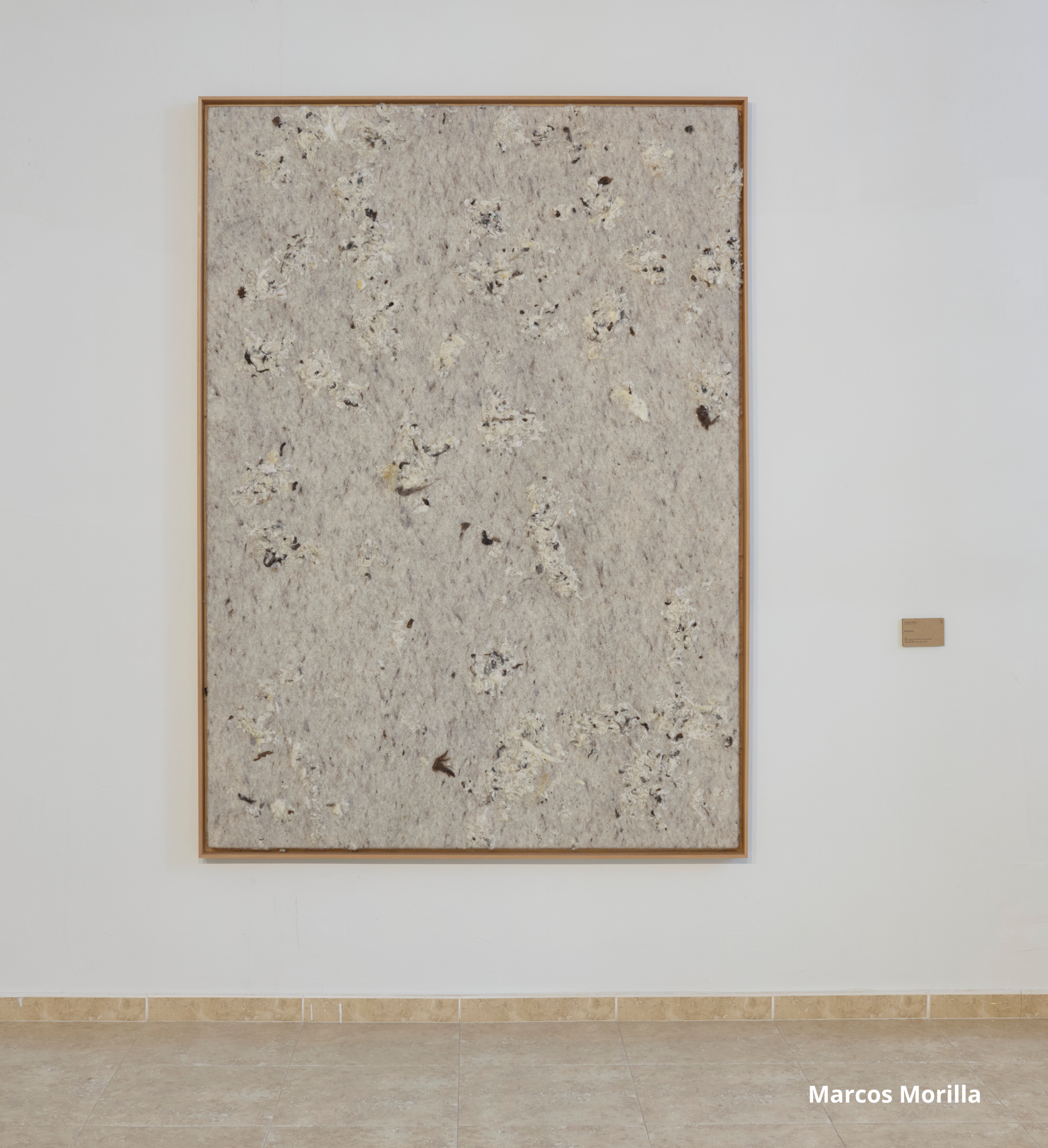
Asunción Molinos Gordo’s project “Mil leches” aligns with this objective and serves as an example of best practices. The artist from Burgos places issues such as the preservation of rural knowledge at the center of the discussion, along with the need to rethink the concepts of identity and belonging through the lens of diversity and coexistence.
This project, which began in 2024, is now part of the first National Art and Climate Collection, launched as part of Spain’s First Climate Biennial, which is being held for the first time in Avilés. The Biennial is an initiative promoted by the Ministry of Housing and Urban Agenda, the Ministry of Culture, the Ministry for Ecological Transition and the Demographic Challenge, the Principality of Asturias, the City of Avilés, and the Atelier itd Foundation.
His exploration of agriculture, sustainability, and the climate emergency has also been recognized by other institutions such as the Guggenheim Museum Bilbao and the Dos de Mayo Art Center (CA2M) in Madrid.
But what exactly does this artistic initiative entail?
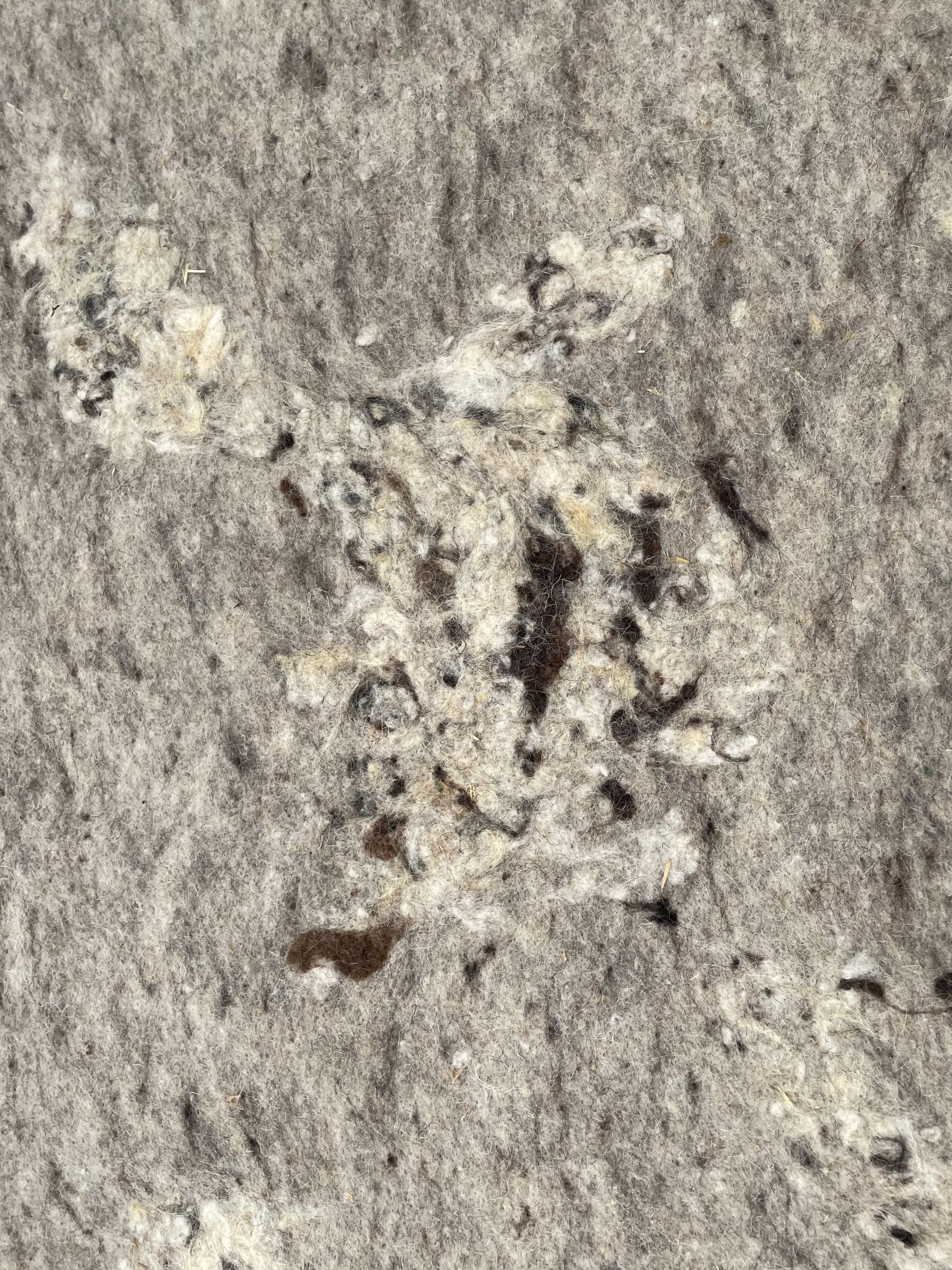
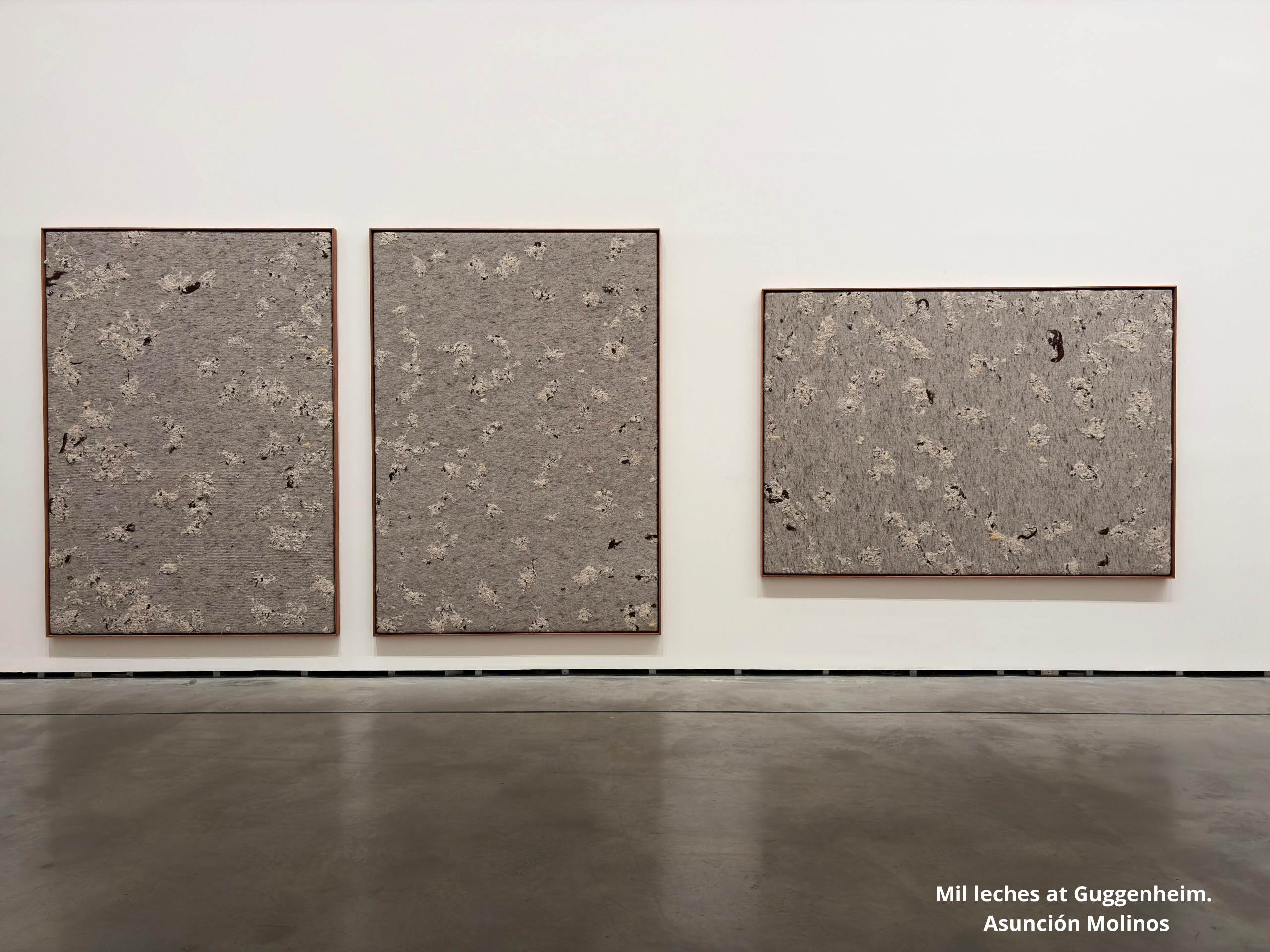
Drawing on the influence of interdisciplinary fields such as anthropology, sociology, and cultural studies, it reflects on the concept of race. It creates a textile work using wool from the 52 sheep breeds recognized in Spain, thereby broadening its discourse to address the crisis facing rural trades linked to livestock farming and the wool industry.
“Mil Leches” champions hybridity as a factor that strengthens the capacity for adaptation and survival in both animal ecosystems and human societies. Purity is set aside in favor of plurality, which aligns with other concepts such as coexistence and interdependence—concepts the artist interprets as essential for innovation and progress.
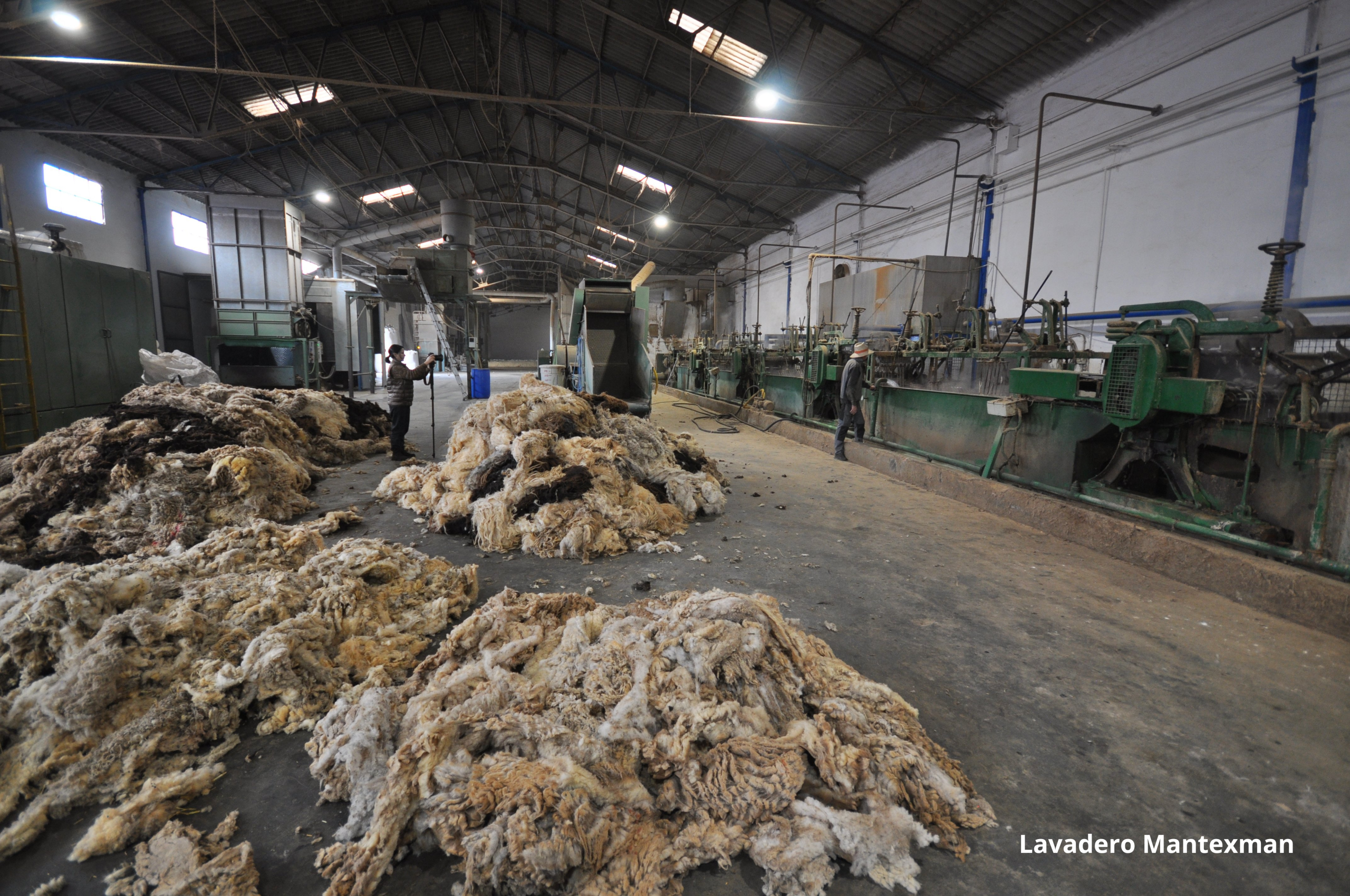
This work stems from research conducted during the “Buen Vivir” artist residency organized by the Mutur Beltz association in the Carranza Valley, in Vizcaya, which is dedicated to the conservation of the Carranza sheep, a breed that is in danger of extinction. Its production process is also unique, as the artist from Burgos managed to collect one metric ton of wool from all the sheep breeds included in the official catalog of the Ministry of Agriculture, Fisheries, and Food.
This was a highly complex undertaking, as many shepherds no longer sell their wool because it has virtually no economic value. As a result, in many cases, this resource—considered for centuries to be “Spanish white gold”—ends up being discarded or burned.
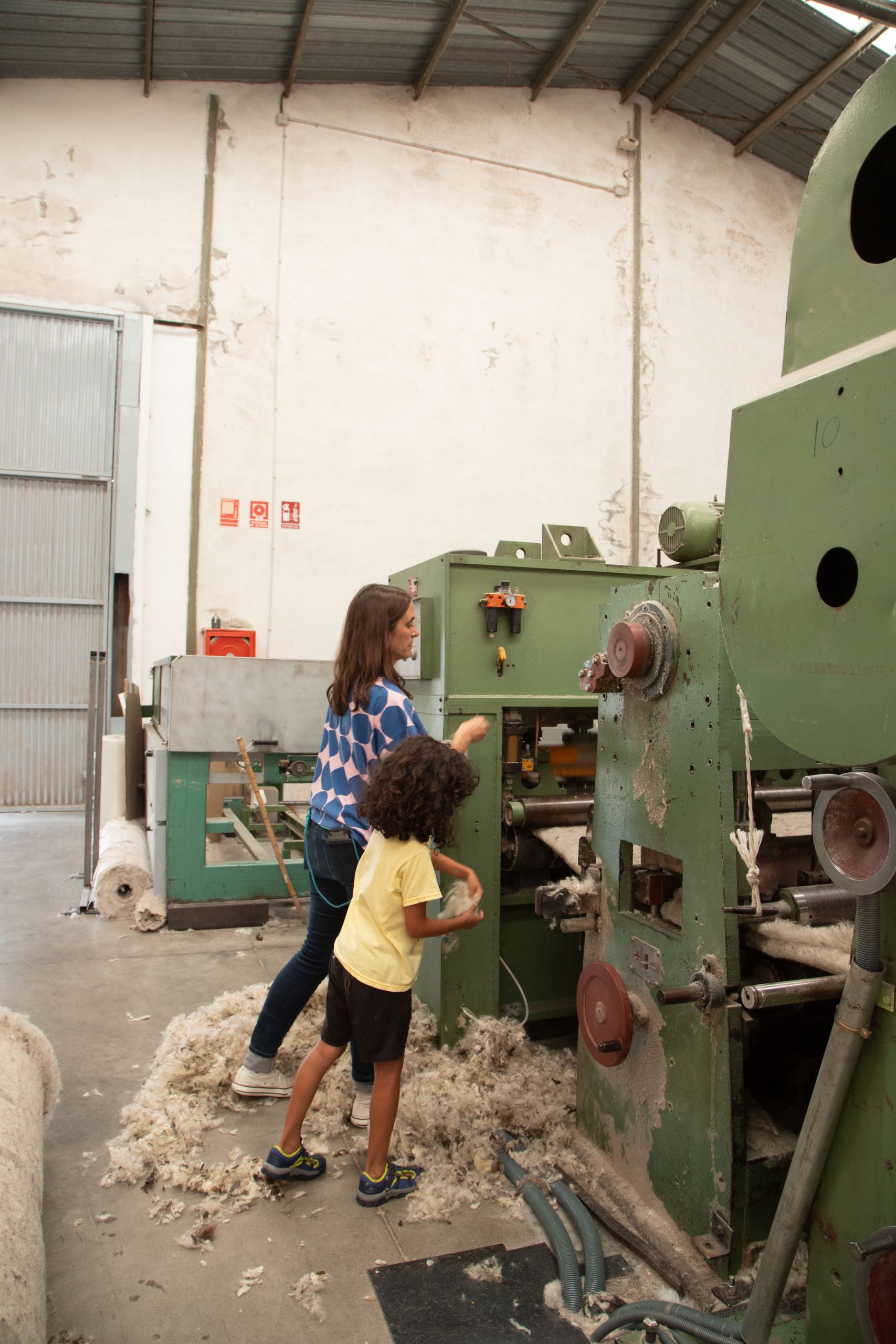
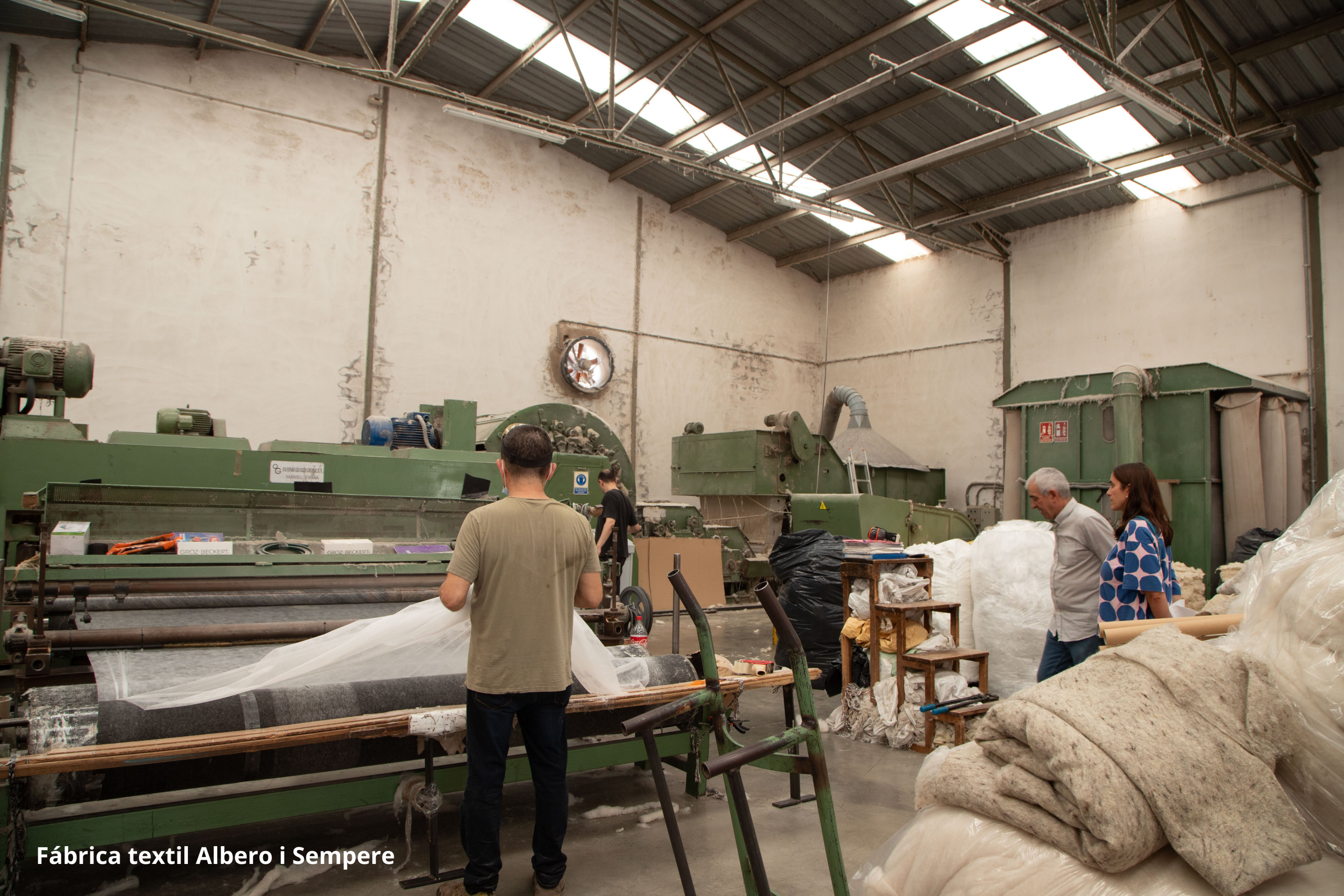
He was fortunate to have the support of the Mantexman wool-washing facility in Mota del Cuervo (Cuenca), one of the few facilities for washing and processing wool that continue to keep the industry alive and are behind the Wooldreamers project. He also collaborated with Albero i Sempere SL, a felting company specializing in natural fibers located in Banyeres de Mariola (Alicante).
In this way, the “Mil leches” project demonstrates how art can become a tool for generating new ways of thinking and dialogue around essential contemporary issues such as environmental challenges, rural depopulation, and collective identity. Furthermore, the project aligns with NEB’s values, which seek to contribute to the transformation of societies toward more sustainable, beautiful, and inclusive ecosystems.