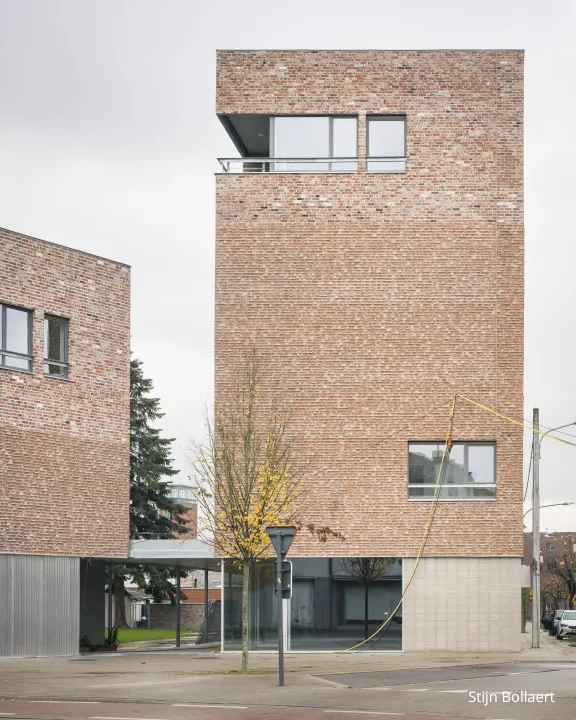
The project we are discussing today proposes “urban acupuncture” as a strategy to revitalize the environmental and social fabric through interventions that promote sustainable densification, co-living, and the reuse of materials. This initiative is led by Spanish architect Ana Castillo and Belgian architect Lieven De Groote, directors of the Ghent-based (Belgium) firm MAKER architecten.
Their goal has been to transform a neighborhood in the city of Kortrijk by combining two NEB values: Sustainability, through a circular housing proposal, and Inclusion, through neighborhood participation and community integration activities.
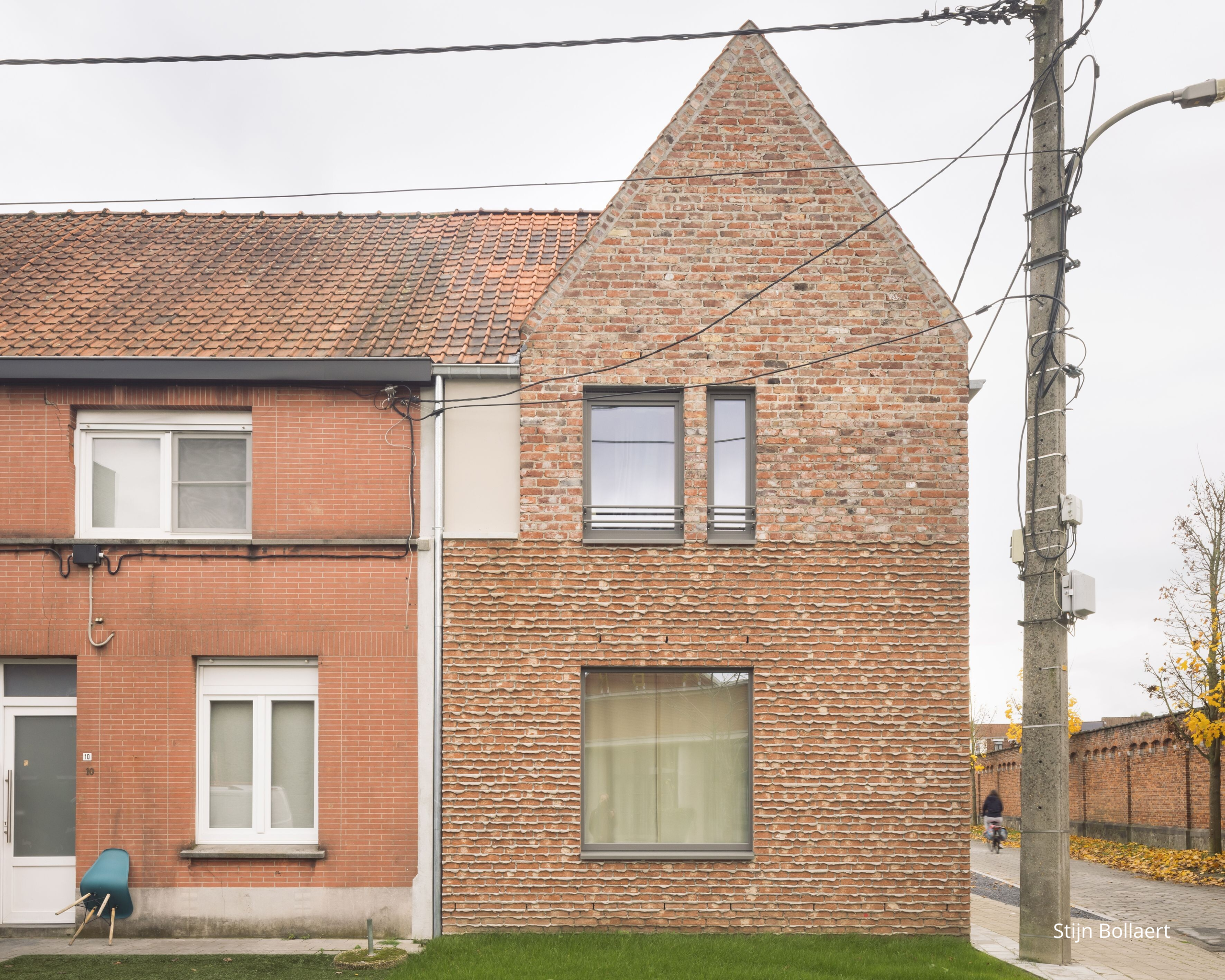
One of the most innovative aspects of the project is that it rethinks how to intervene in the neighborhood’s urban fabric without resorting to mass demolition or erasing its social and material memory. In contrast to traditional urban models that favored total replacement, these professionals seek to intervene in a precise and sensitive manner on existing structures, reinforcing community relationships and the value of vernacular heritage.
YIMBY, “Yes, In My Backyard”
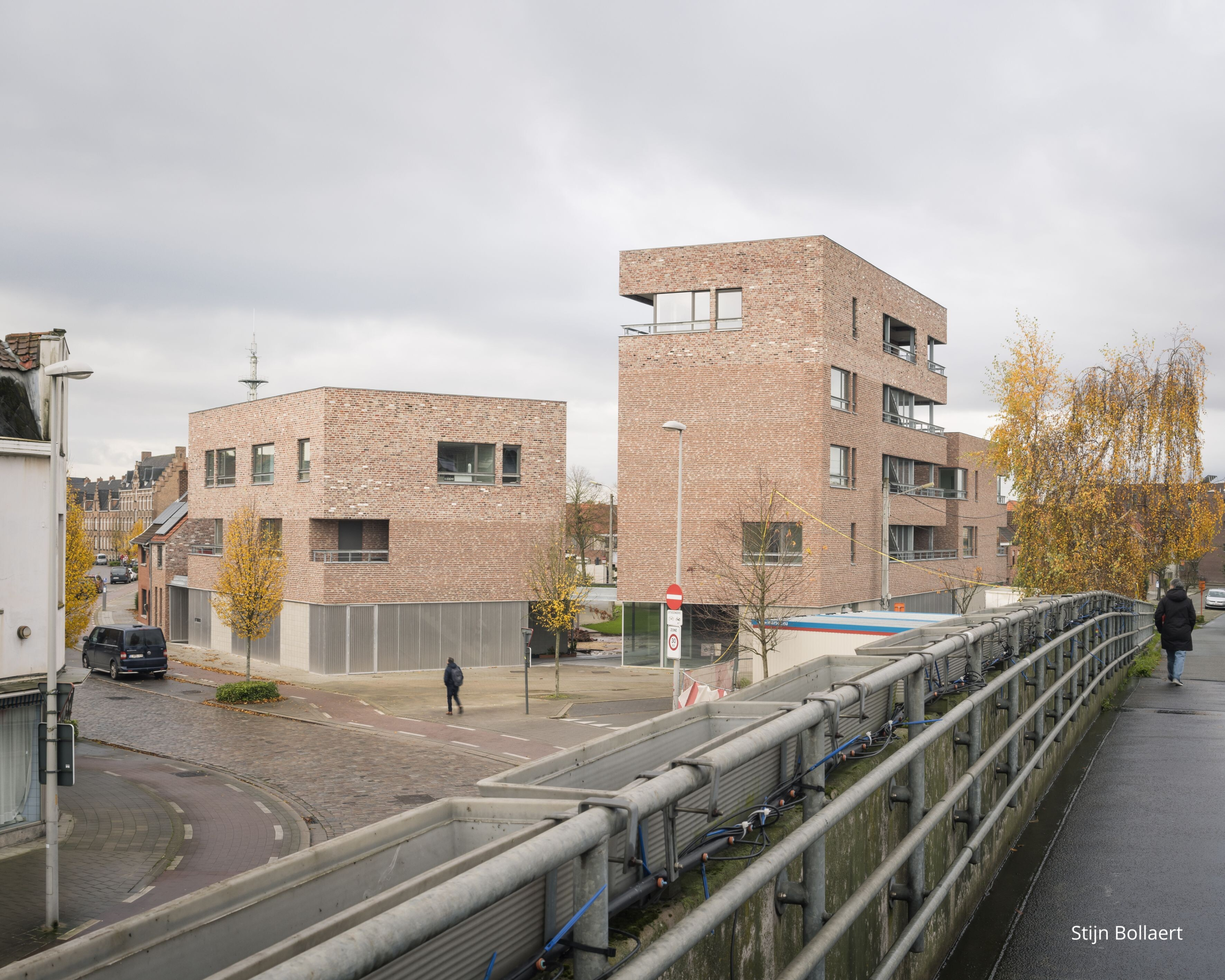
The project is located in a neighborhood whose original garden city concept had been lost over time. Many of the private gardens had been replaced by garages and closed-off rear extensions, severing the connection between the homes and the interior of the block. The project reverses this logic and transforms the rear facades into new active fronts, reclaiming the space as a place for gathering and socializing.
The intervention has reorganized seven lots into three new residential buildings, increasing housing density from 16 to 31 units. This development is achieved through a diverse mix of unit types and shared ground-floor spaces, designed to foster neighborhood interaction and strengthen social cohesion.
Also noteworthy is the implementation of the “kangaroo housing” concept, which responds to changes in demographics and contemporary family models. The new housing units allow for flexible configurations that facilitate intergenerational cohabitation, teleworking, and changes in the use of spaces, enabling residents to adapt their homes without having to leave the neighborhood.
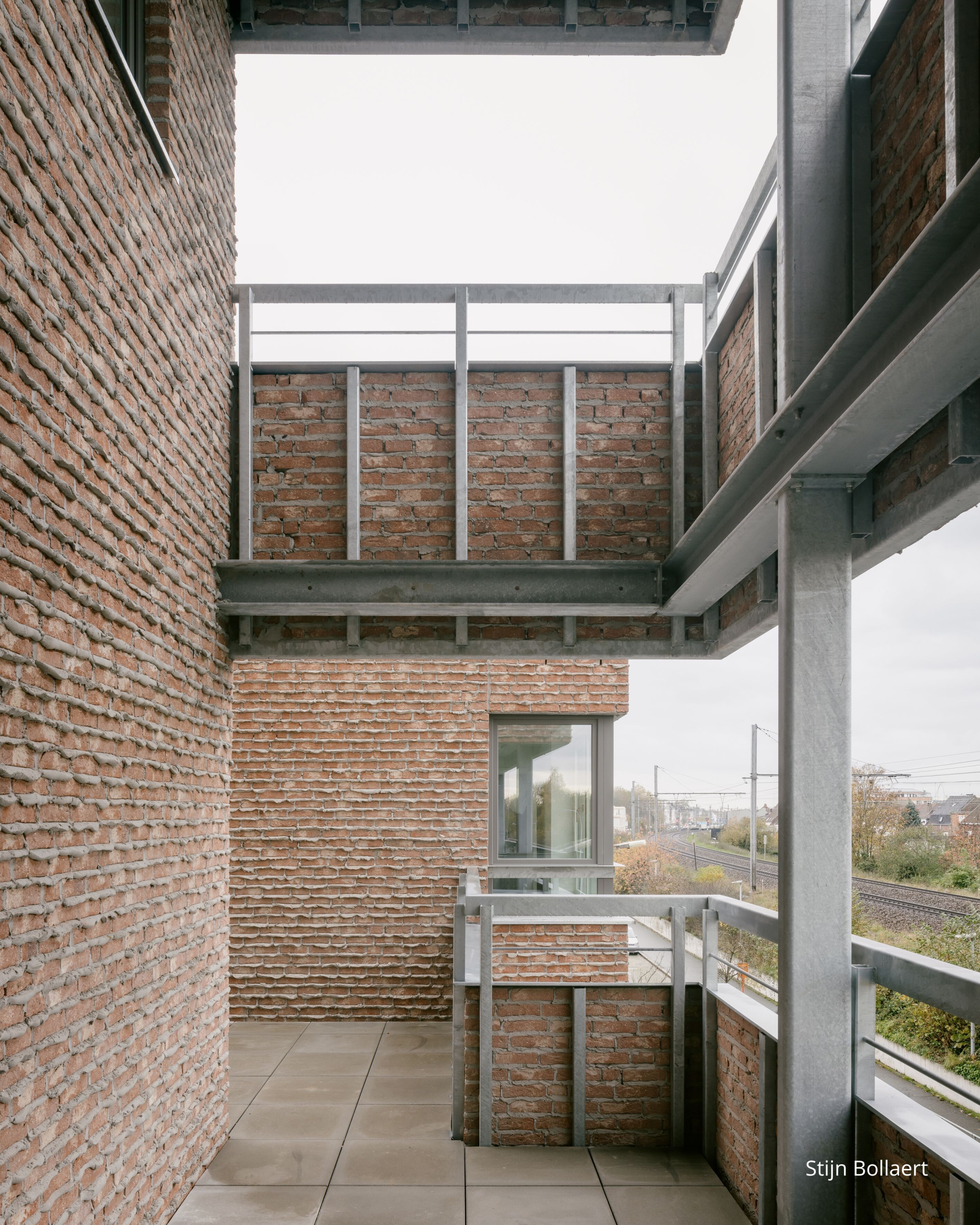
For its part, sustainable construction is another of the project’s fundamental pillars. The original bricks and roof tiles from the homes, dating back to 1924, were salvaged and reused on-site following a process of sorting and testing. Materials that did not meet structural requirements were repurposed into gabions to demarcate plots, developed with the support of a sheltered workshop. Additionally, to ensure the future reuse of the new bricks, the architectural firm selected a hybrid mortar designed to facilitate dismantling at the end of the building’s useful life.
Throughout this urban regeneration process, neighborhood participation played a central role. Interviews and collaborative workshops helped identify residents’ real needs and foster their direct involvement. This methodology, inspired by the principles of the European Commission’s New European Bauhaus initiative, helped transform previous tensions into collaborative dynamics, reinforcing a sense of belonging and collective identification with the project.
For all these reasons, the work of Ana Castillo and Lieven De Groote has been recognized with national and international awards. The most recent was the award in the Adaptability category of the La Casa de la Arquitectura Awards, presented by the Ministry of Housing and Urban Agenda, which the firm received on May 8.