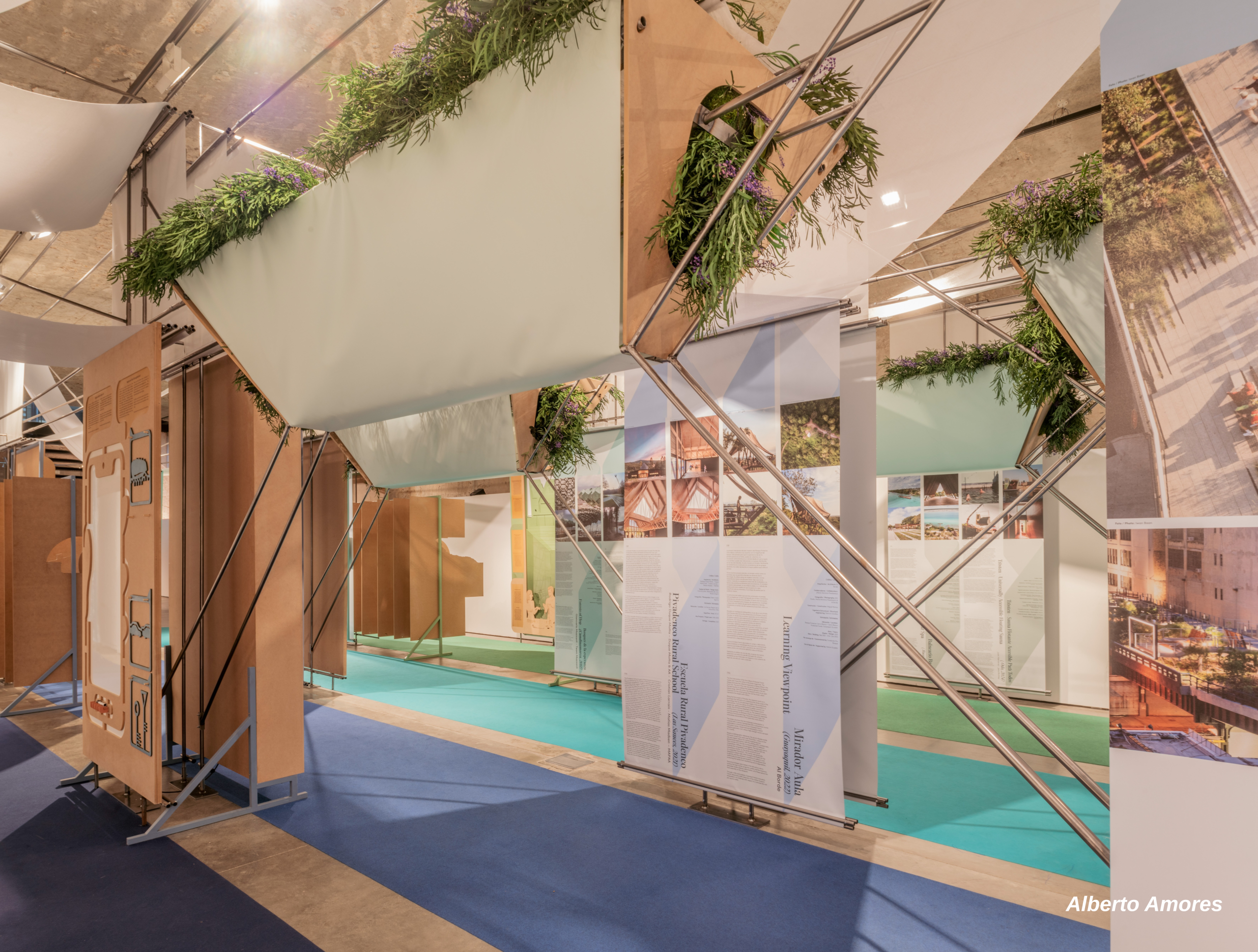
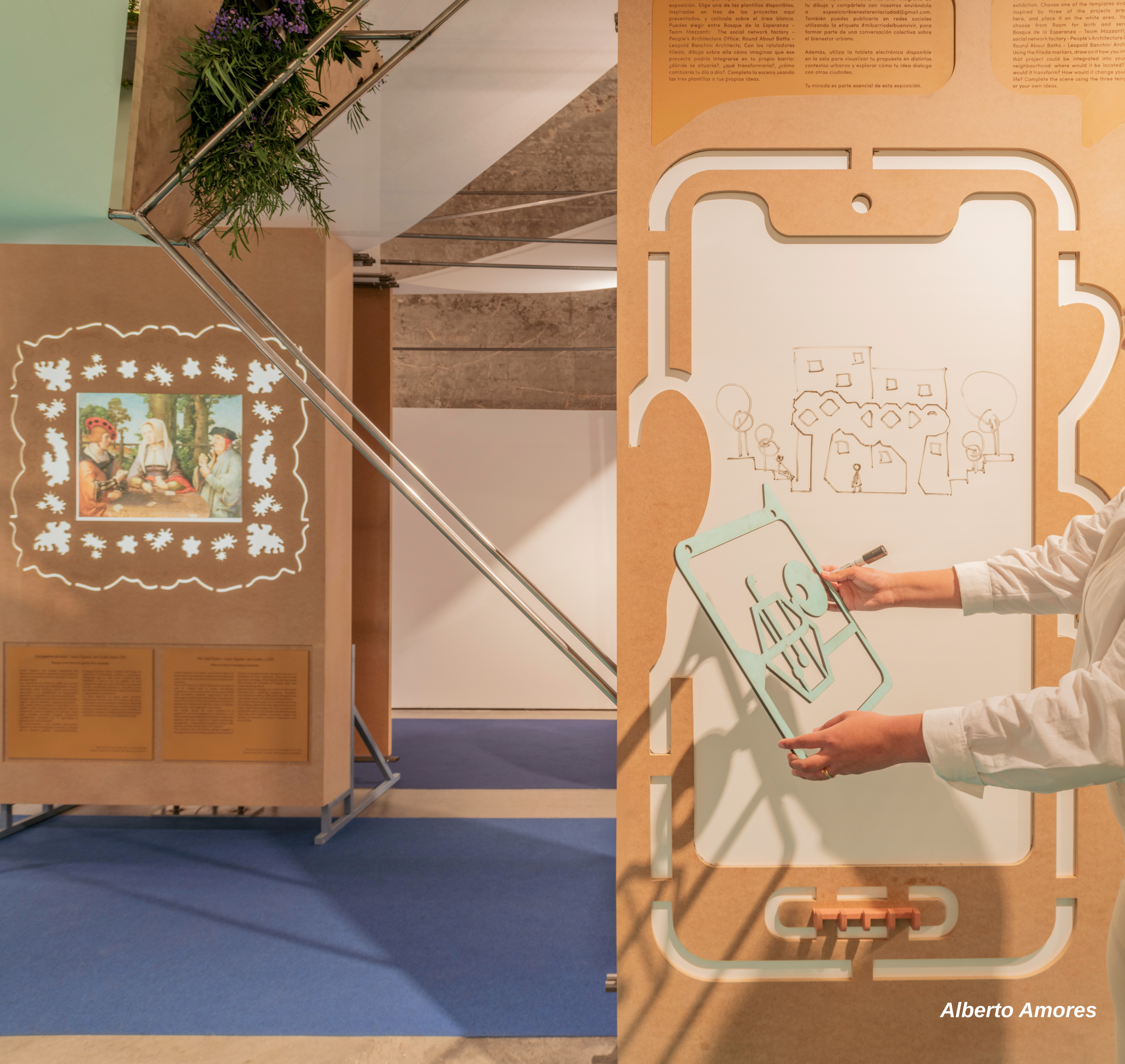
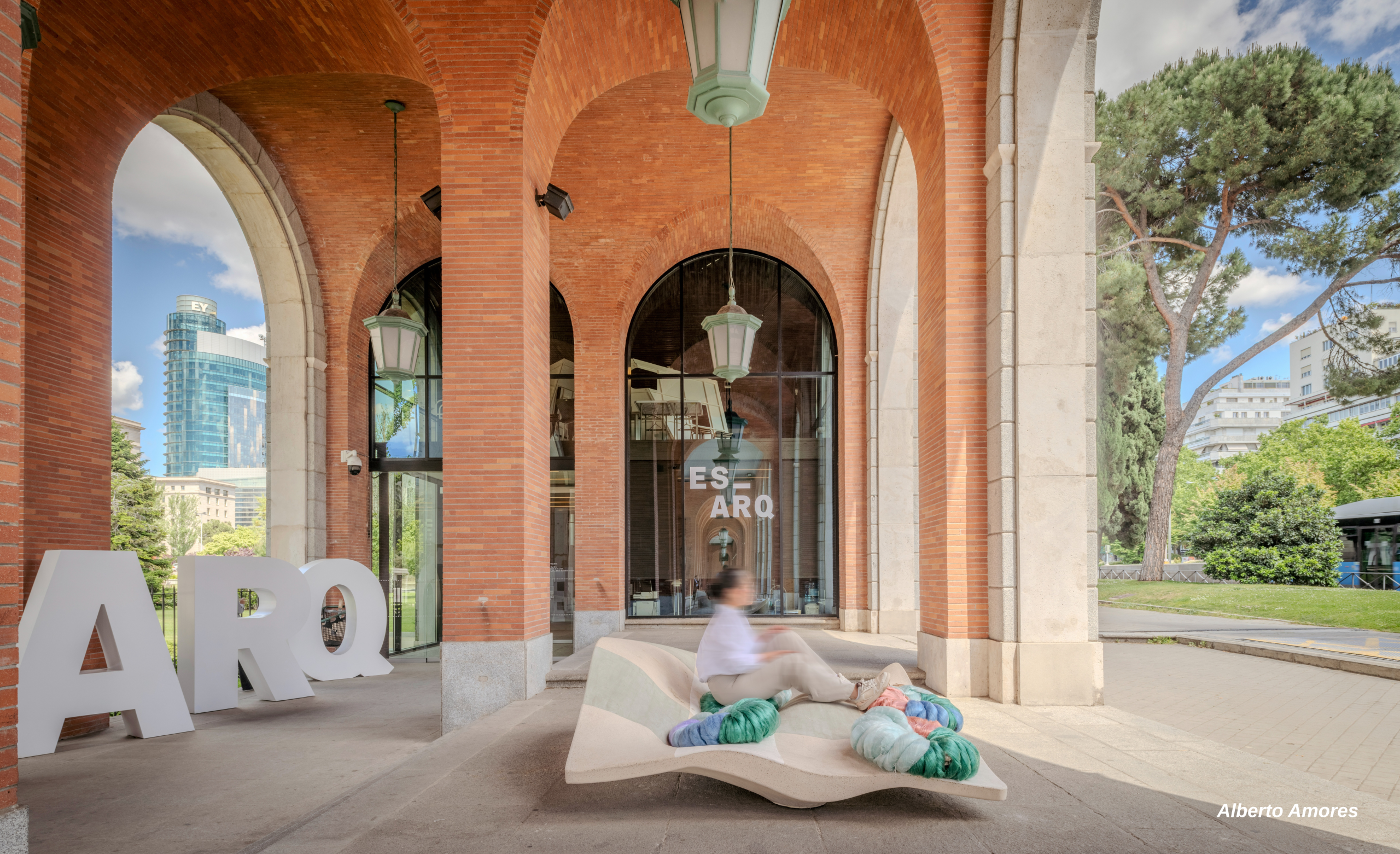
The Casa de la Arquitectura has opened the exhibition “Well-being in the City,” an initiative that places the importance of quality of life and well-being in the built environment at the center of contemporary discourse. It is curated by Madrid-based architect Izaskun Chinchilla, who explores how urban design directly influences essential aspects of daily life, such as rest, nutrition, and social relationships.
As Iñaqui Carnicero, Secretary General of Urban Agenda, Housing, and Architecture, noted in his remarks during the exhibition’s opening, this new curatorial approach “reminds us that architecture is not just about building, but about caring.”
Through a careful selection of more than 100 national and international projects and studies, developed in Europe, Asia, and Latin America, the exhibition argues that well-being does not depend solely on individual decisions, but on how the spaces in which we live are configured. All these proposals illustrate new ways of understanding urban planning, as they advocate for healthier, more accessible, and more sustainable environments.
This renewed approach to urban well-being, which aligns with the values of the New European Bauhaus, integrates social, environmental, and cultural dimensions into a single perspective, much like the Quechua term Sumak Kawsay, or “Good Living.” This represents a step forward from the historical Western definition, which has been framed as a set of indicators, including life expectancy and diabetes. Thus, in contrast to the fixation of many exhibitions and publications on urbanism on anticipating the “city of the future,” this exhibition is structured around everyday actions of the present.
Walking, resting, courting, healing, or playing—practices that allow us to understand the city through the experience of the body and daily life. Through them, the exhibition highlights how factors such as access, distances, and the design of public space directly influence health and the common good.
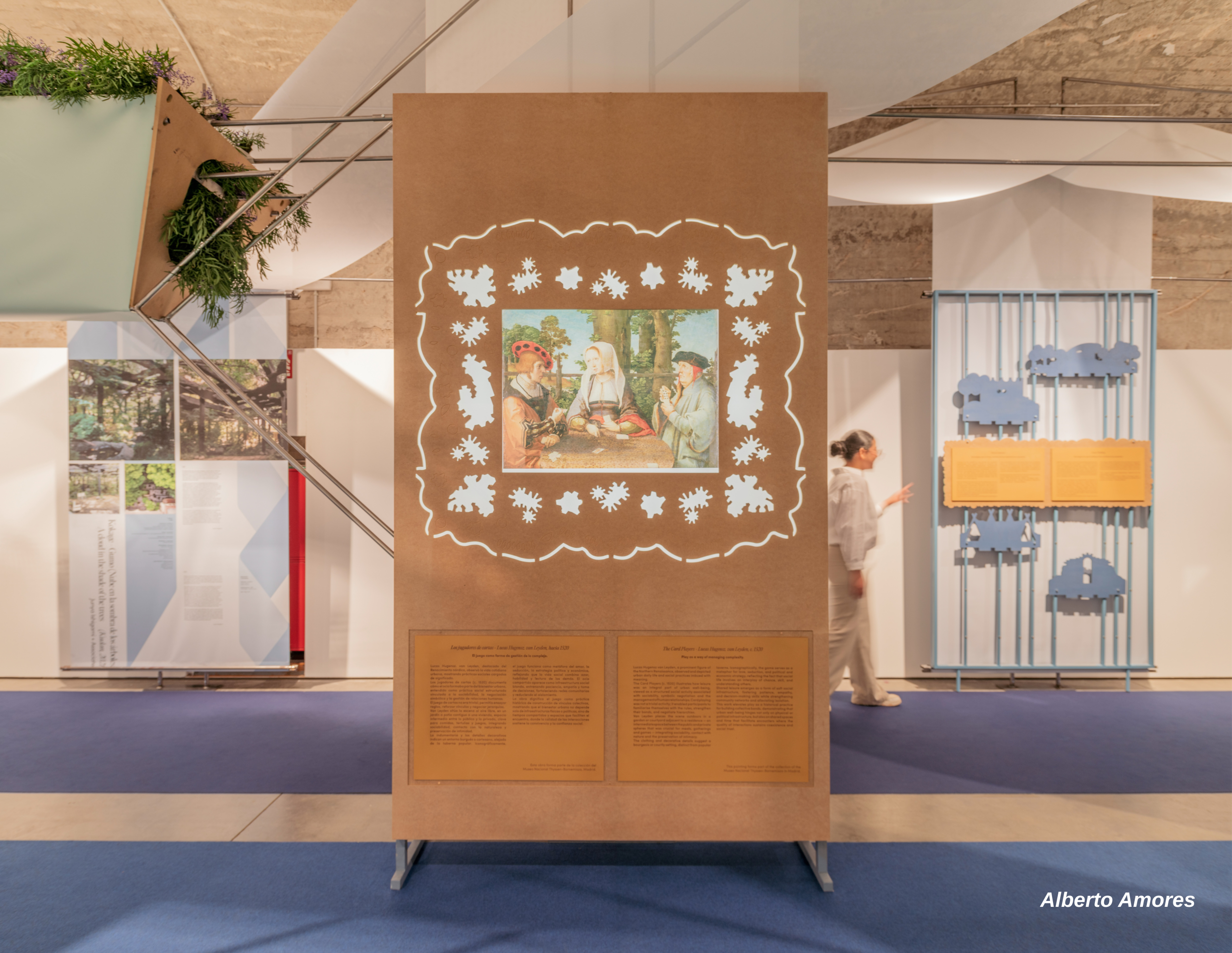
The exhibition was developed by a scientific committee comprising Marta Poch, Caterina Capdevila, Marisa Yiu, Elke Krasny, Alejandra Celedón Forster, Ana Robles Pérez, and Marina Otero Verzier, in collaboration with the exhibition’s curators. It is also being held in collaboration with the Thyssen-Bornemisza National Museum, which is participating in one of the sections, titled “Archeology of Well-being.” This section joins the other sections of the exhibition, respectively:
- “Three Layers,” which examines the body, social space, and the urban environment
- “The Golden Age of Cities,” which redefines the concept of prosperity
- “Well-being Initiatives,” the core of the exhibition and its empirical foundation
- “Designing Neighborhoods for Good Living,” which examines effective interventions at various scales
Esta exposición estará abierta al público en las instalaciones de La Casa de la Arquitectura, en el Paseo de la Castellana de Madrid, hasta el mes de septiembre.