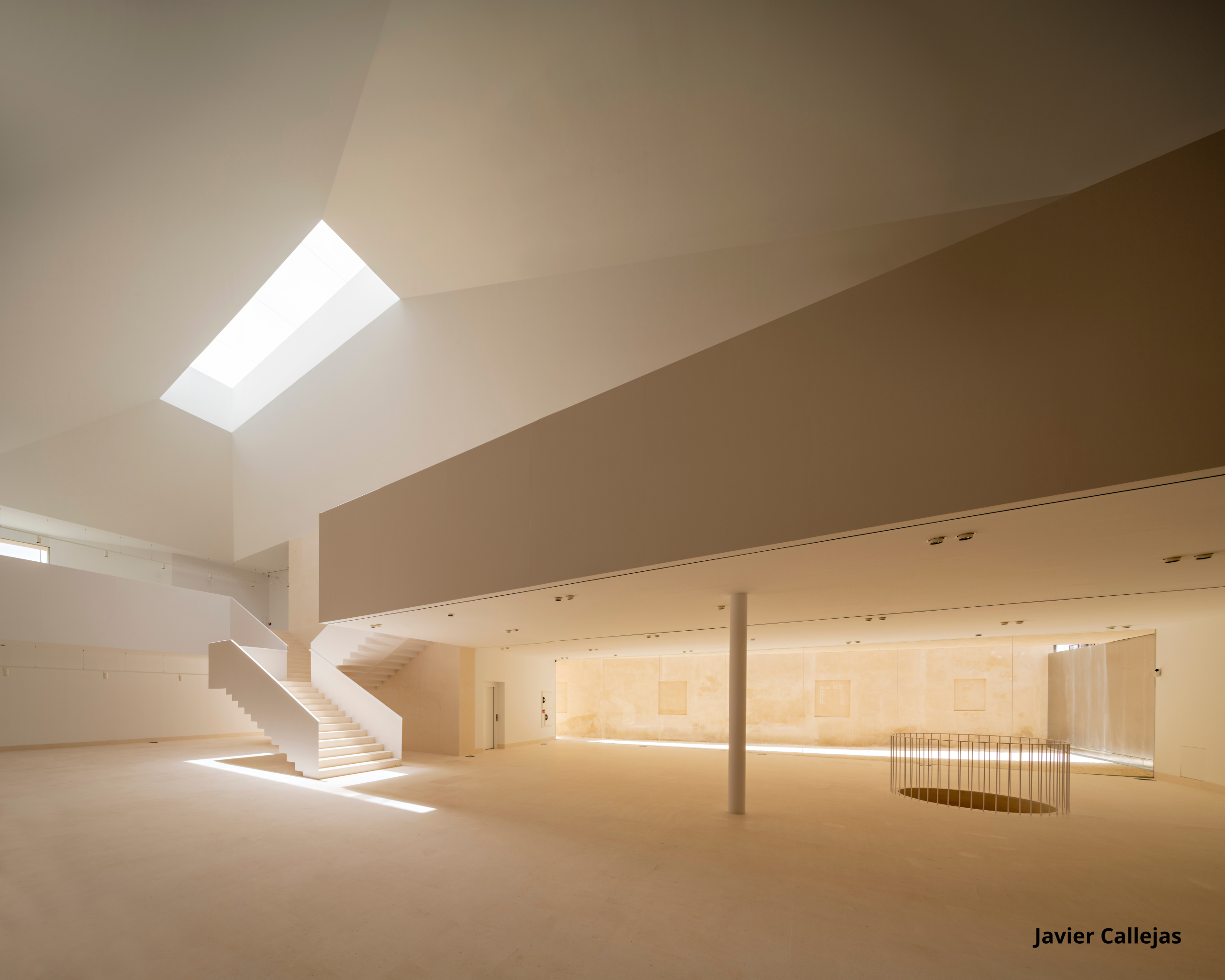
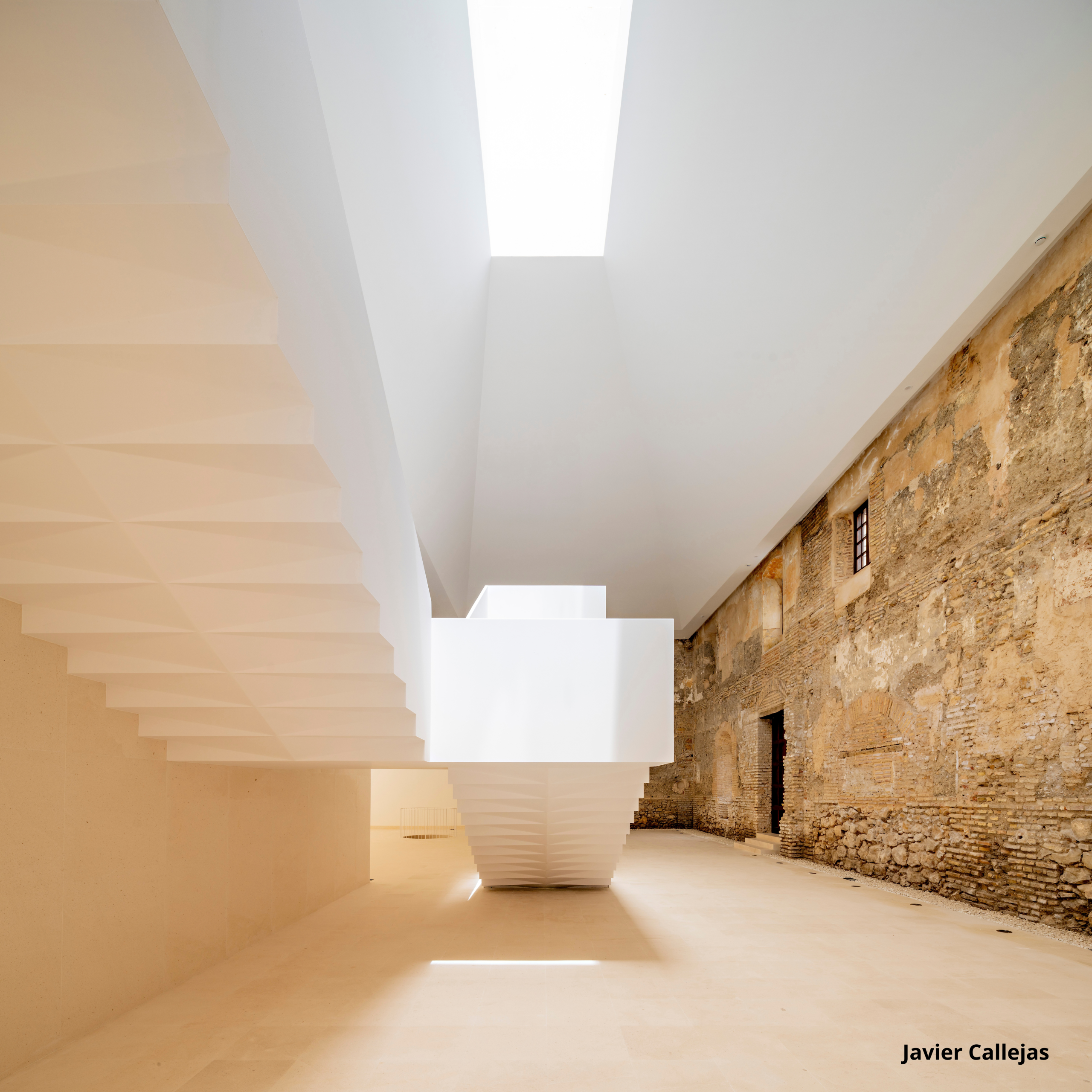
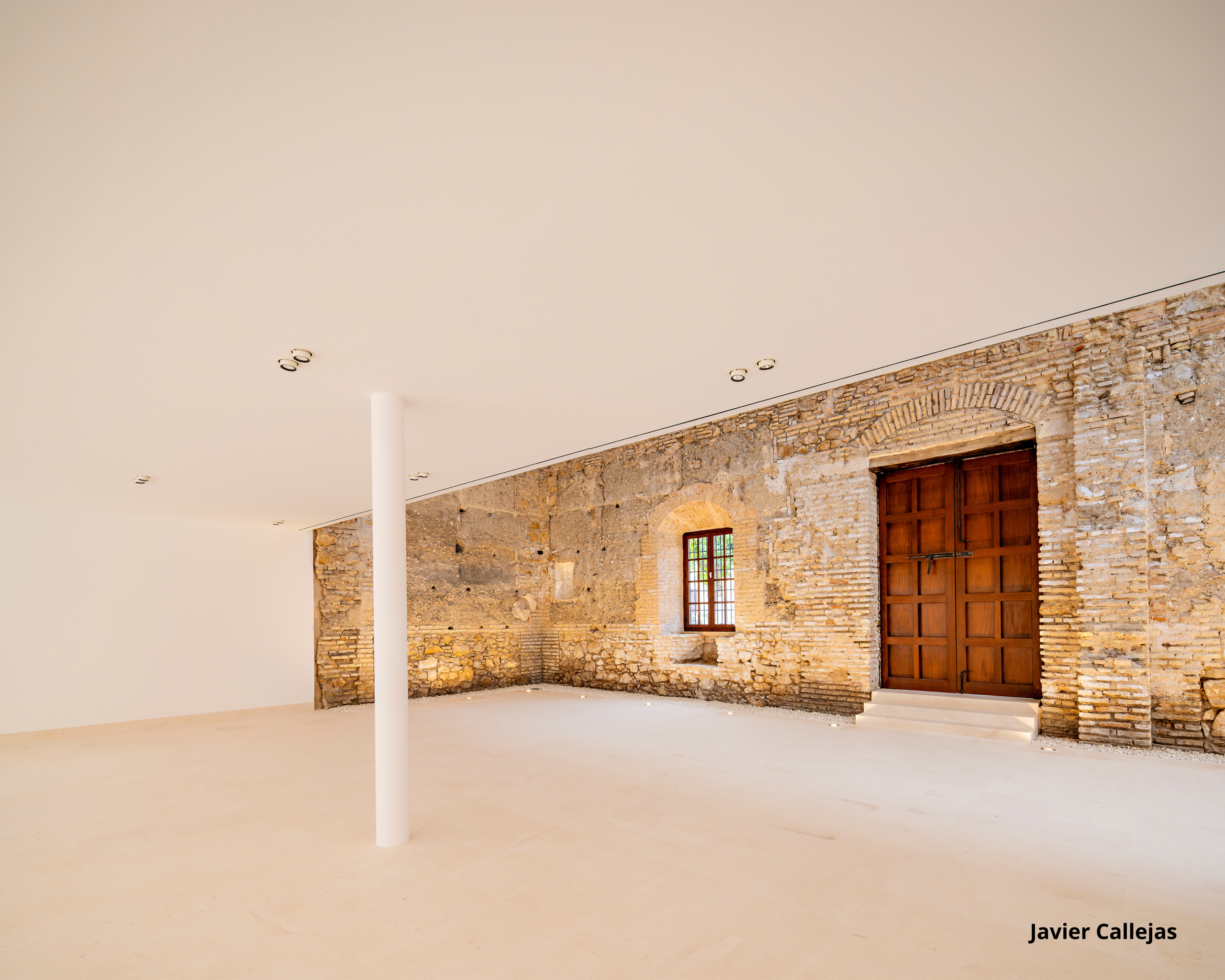
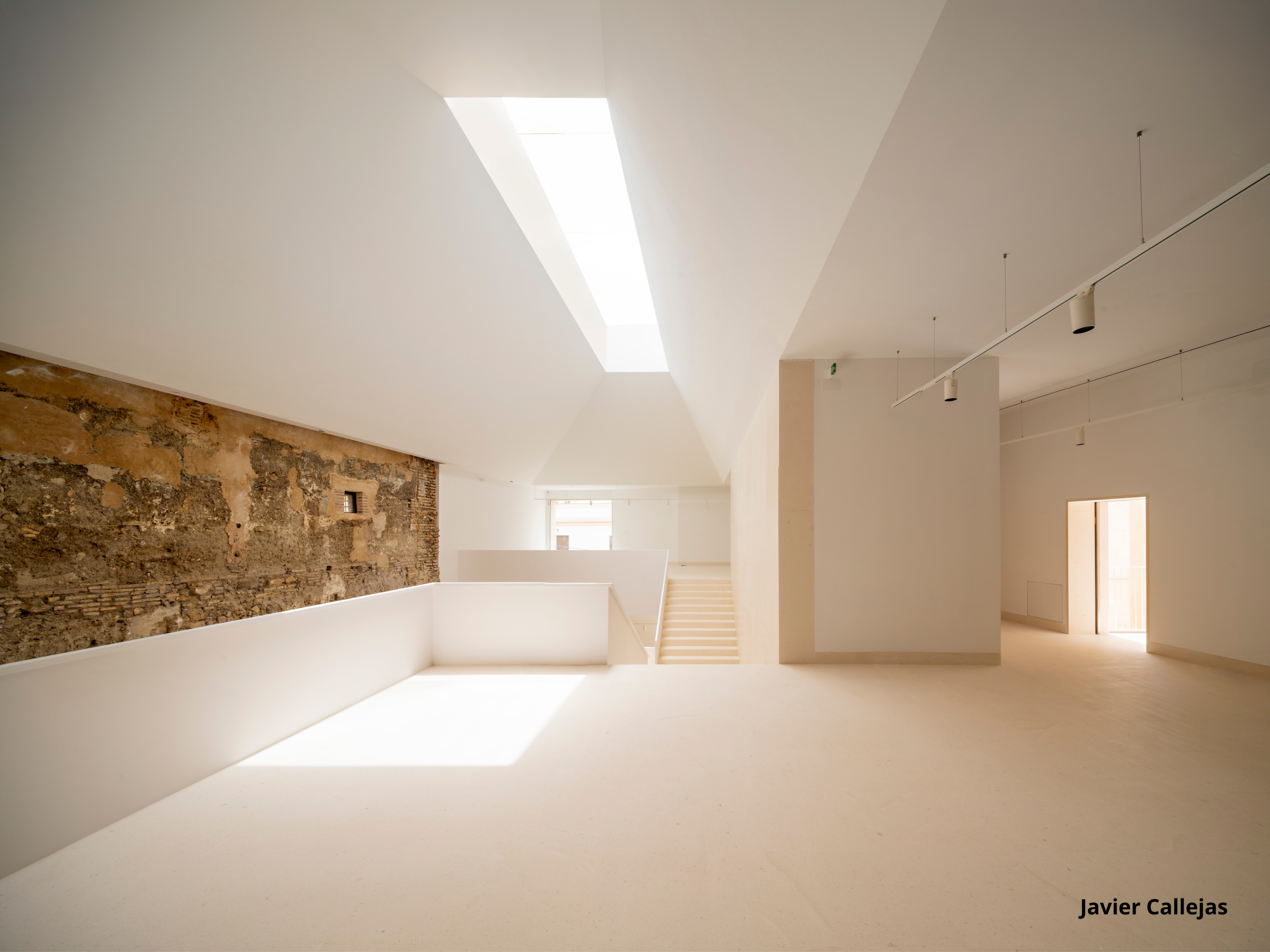
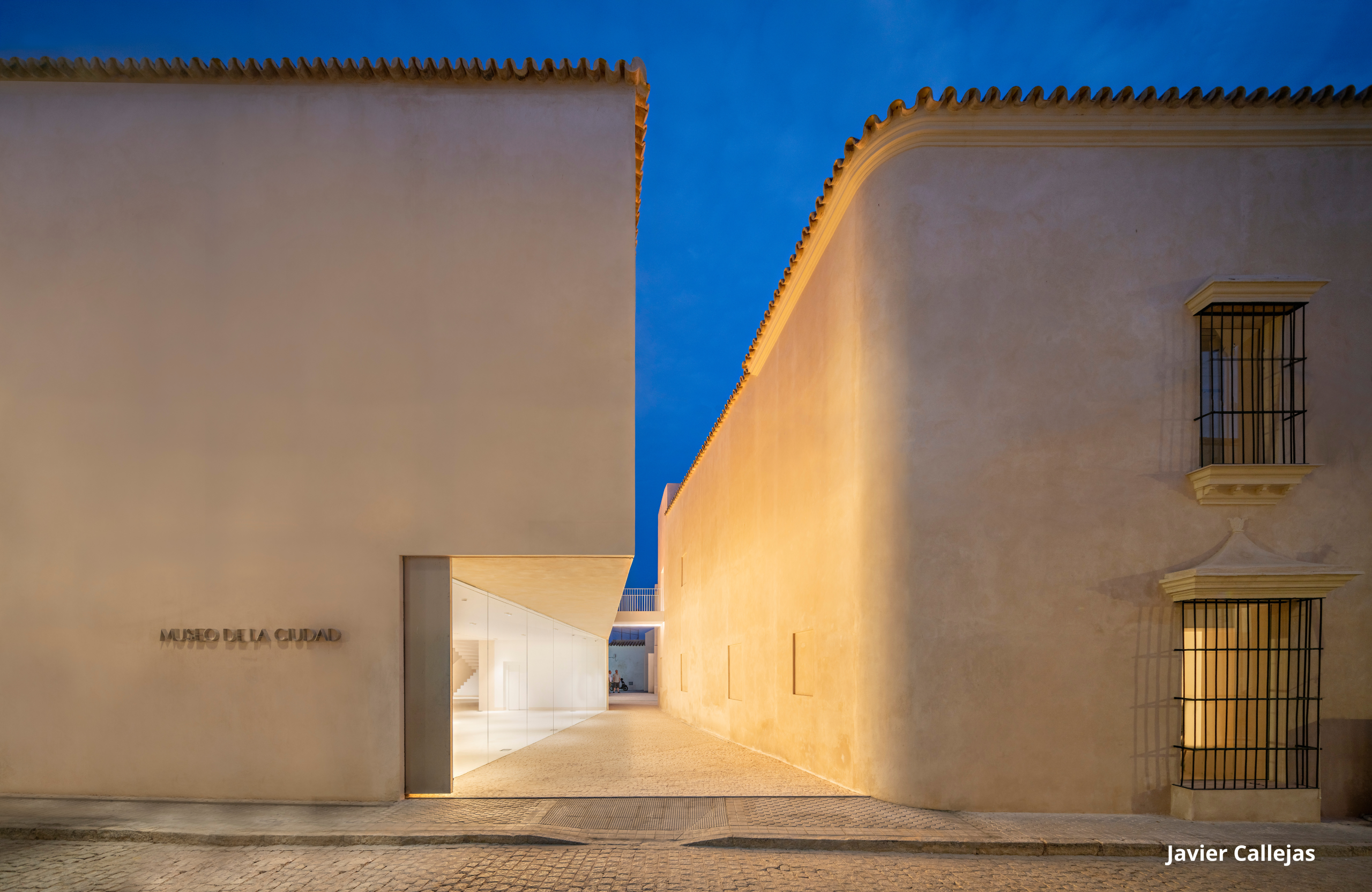
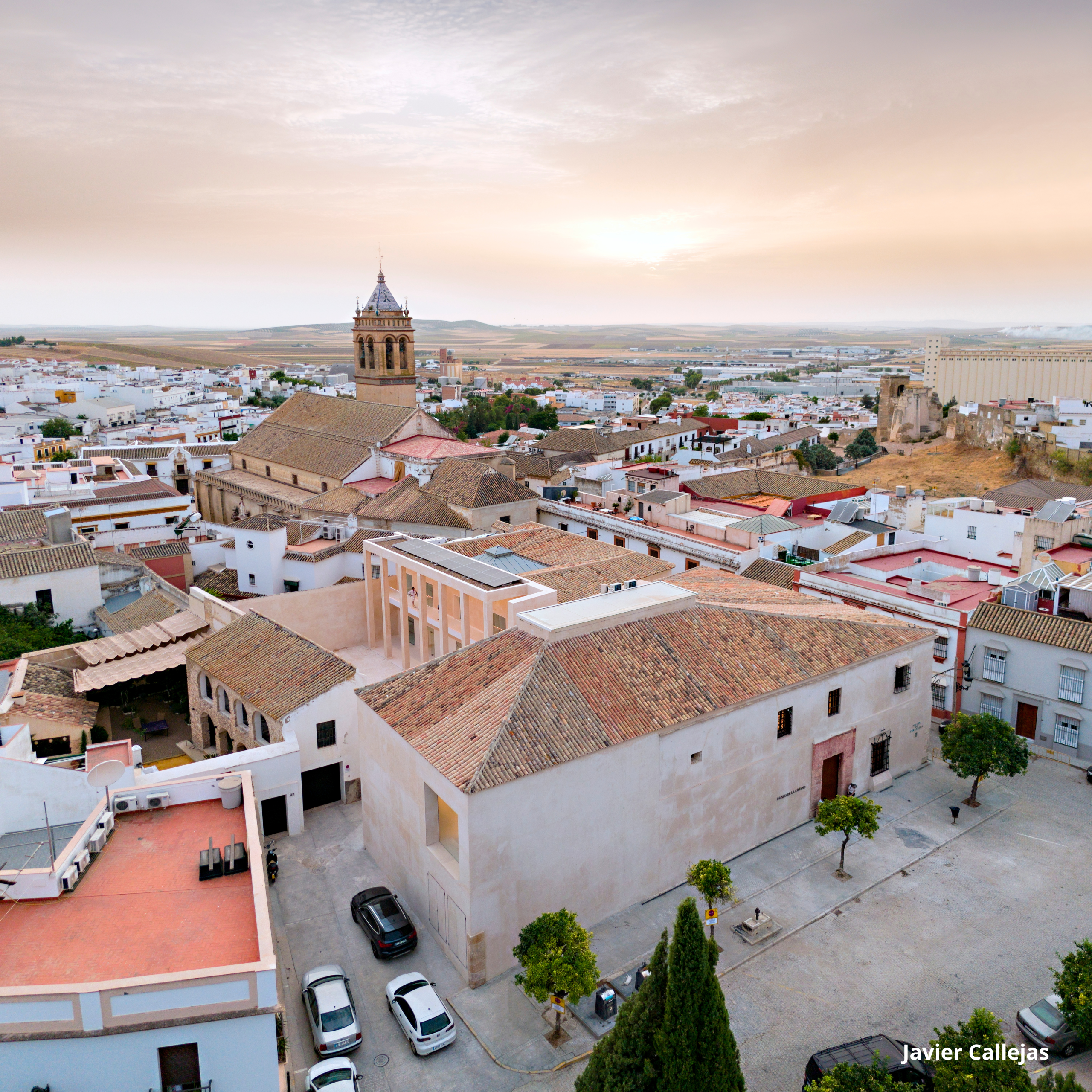
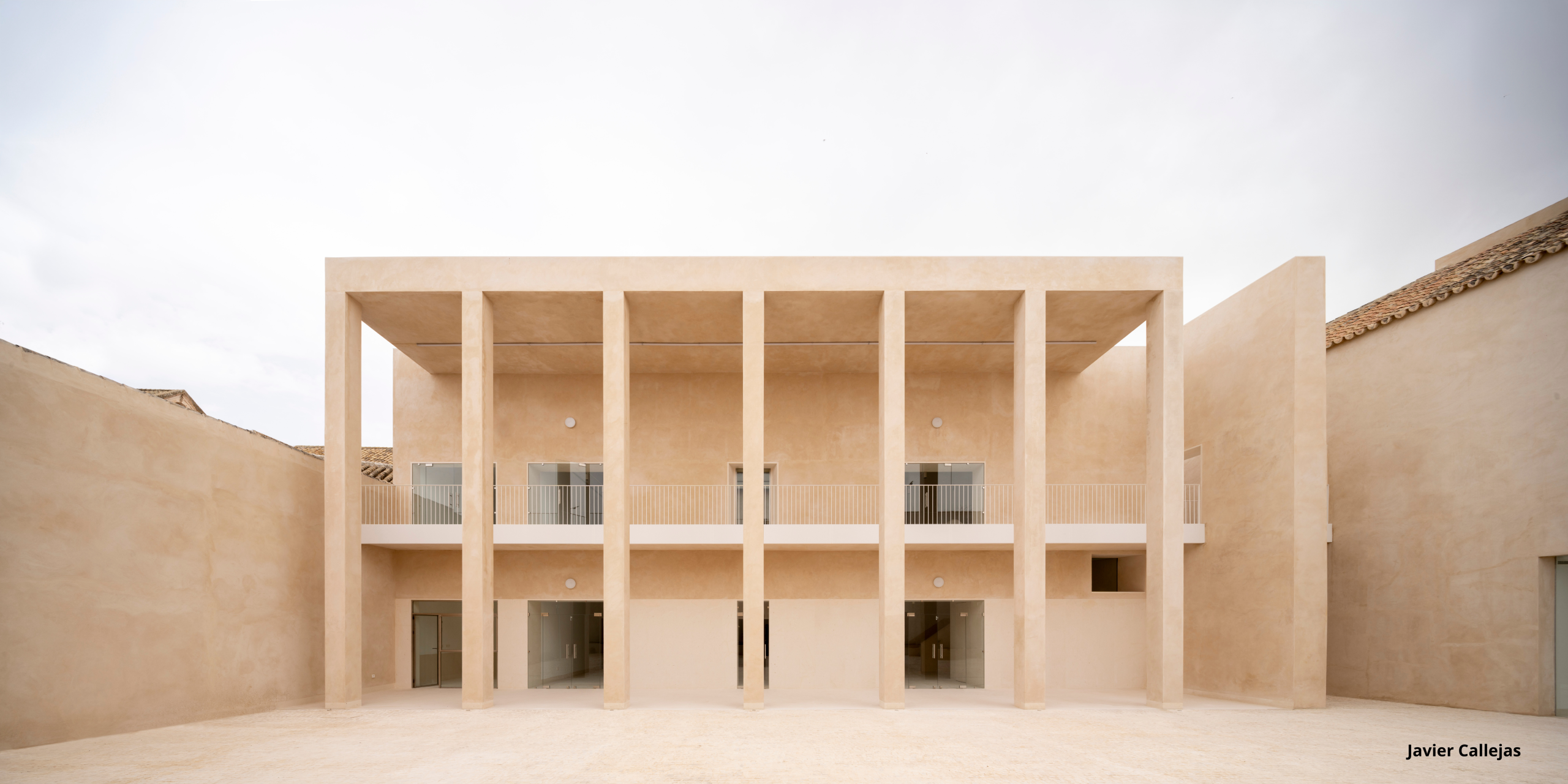
The former prison in the Seville town of Marchena, built between the late 16th and early 17th centuries, has now been fully restored and will become the future home of the municipal archaeological museum. The project has revitalised a disused historic building, transforming it into a new cultural facility that combines heritage conservation, energy efficiency and improvements to the urban environment.
The project, designed by architect Pablo Manuel Millán Millán, has enabled the restoration of 1,440 square metres comprising the former prison, an adjoining mansion and the space connecting them. The work was funded by the Programme to Promote the Renovation of Public Buildings (PIREP) run by the Ministry of Housing and Urban Agenda, as part of the European Next Generation funds.
One of the most notable aspects of the project is its energy performance. The measures incorporated into the building enable energy savings of over 92 per cent compared with the previous situation. To achieve this, the design combines active and passive solutions, including geothermal energy, heat recovery units, passive ventilation, thermal mass and solar shading systems, alongside materials and techniques linked to the building’s traditional architecture. The project also incorporates permeable paving and new green spaces.
The architectural strategy is based on preserving and enhancing what already exists, rather than replacing it. The former prison retains its historic envelope and its main structural systems, whilst contemporary interventions are incorporated in a distinct manner. Thus, the old alleyway that separated the buildings is restored as a connecting space, and the courtyard of the adjoining mansion takes on a new role within the museum’s visitor route.
Furthermore, the project also seeks to extend the regeneration beyond the building itself. The new facility connects with Miguel de Cervantes Square and the historic centre, strengthening the link between heritage, public space, cultural activity and community life.
Although the restoration works have been completed, the museographic project is still pending completion. It will be responsible for defining the collections and the exhibition narrative of the future museum, which is scheduled to open fully between late 2027 and early 2028.
A project in line with the NEB
The transformation of the former prison can be understood in the light of the principles of the New European Bauhaus, which proposes creating more sustainable, inclusive and beautiful spaces, placing culture and architectural quality at the service of the public, amongst whom it seeks to strengthen a sense of belonging.
The Marchena Archaeological Museum brings together several of these principles in a single project: it reuses an existing building, over four centuries old; significantly reduces its energy consumption; preserves elements of its historical identity; and reopens it to the town with a new, public and inclusive purpose. Sustainability is therefore approached not only through the incorporation of new technologies, but also through the reuse of built heritage.